
The Enduring Power of Words in Coaching
 Inspiring Story
 by Blake Richardson
Examining the art of effective communication with Greenhouse Sports CEO Don Barrell. Don provides insights and examples on how engaging and empathetic conversations can transform the coaching experience and the lives of individuals. Are you giving enough attention to the impact your language has on young people?
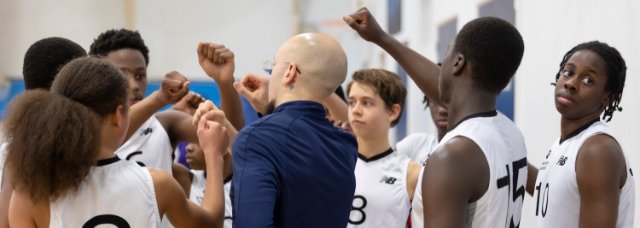
Sports coaches are universally recognised as catalysts for positive change in young people’s lives. However, coaches can sometimes overlook the challenges of growing up. Given the struggles of adolescence, the language coaches use during their interactions with young people becomes particularly important. Therefore, coaches must remember that their role as catalysts for change is directly influenced by the words they use.
For children and young people growing up in disadvantaged communities in particular, opportunities to lead an active lifestyle can be severely limited, restricting access to coaches who can help them develop holistically and build the transferrable skills they need to thrive on their journey through life.
Attending a sports club might be one of the few places where a young person genuinely feels they can experience success. A space where they can truly be themselves, feel a sense of belonging, achieve personal milestones, and build social bonds.
As a coach, you have the power to amplify these moments of success that sport brings,” says Don, urging coaches to embrace one of his core philosophies: “Be an amplifier!”
One of the most effective ways to amplify the sporting experience is through the language you use to engage and interact with young people.

Speak with Intention: Choose Your Words Carefully
Greenhouse Sports, like UK Coaching, believes that thoughtful and supportive coaching has the power to profoundly impact all aspects of an individual’s life. Coaches employed by the London-based charity serve as sports coaches, trained mentors, and role models, all woven into one. They are united on a mission to empower and inspire young people growing up in deprived communities to fulfil their true potential and improve their life chances.
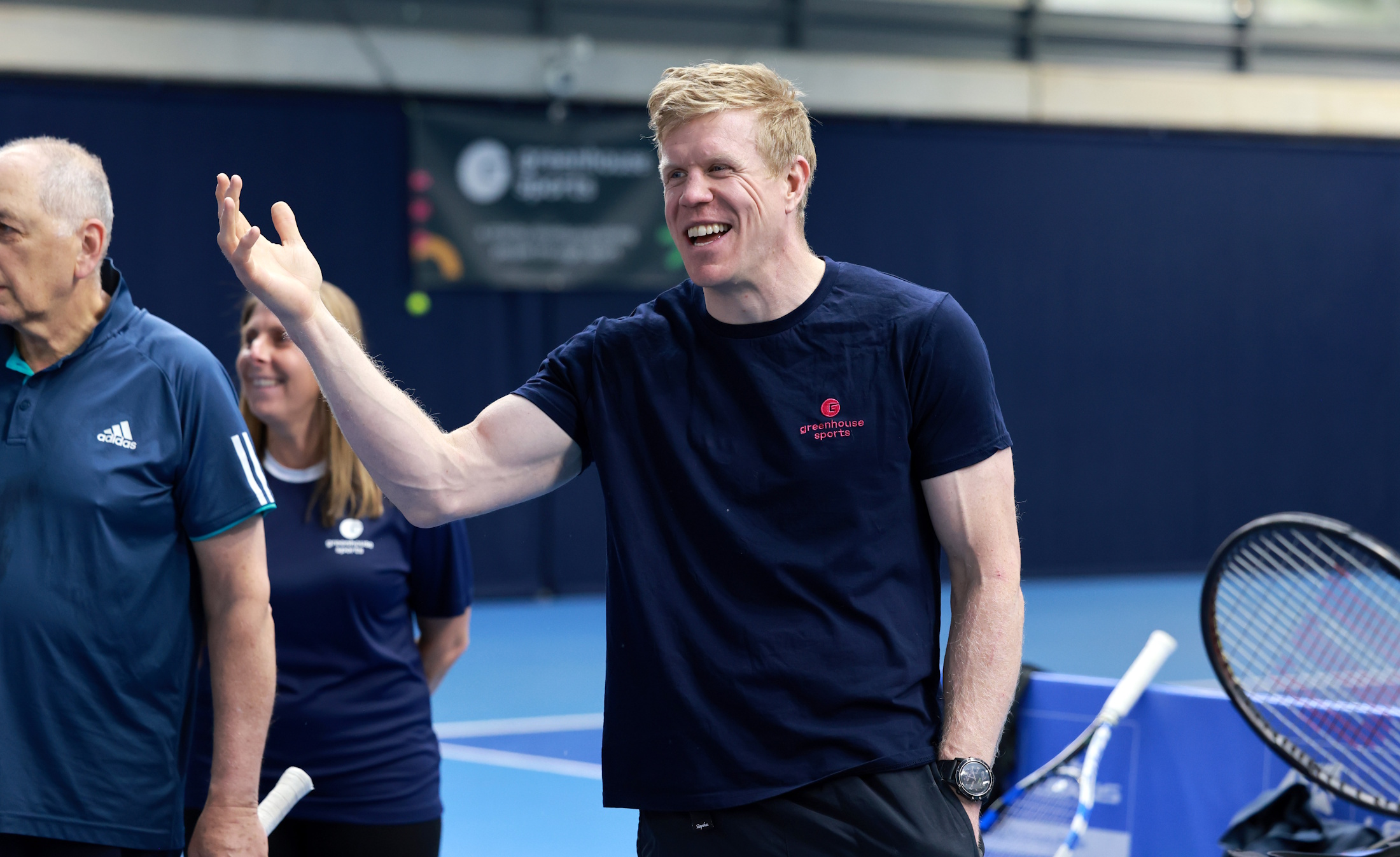
The words they use to communicate with young people are well thought out and not idly spoken. They recognise that for vulnerable adolescents, who may have experienced trauma, lack self-confidence and be burdened by emotional insecurities, even a throwaway comment can come across as a critical slight to young minds.
Conversely, positive affirmations can resonate deeply, significantly enhance someone’s confidence and self-esteem, and remain with them, perhaps for a lifetime.
Coaches who choose their words carefully, then, can be a beacon of positivity in the lives of young people.
“I don’t think all coaches are mindful of the impact their words have on children,” says Don, a former professional rugby player and coach with Saracens RFC.
I have vivid recollections when I was a child of missing a tackle and a coach coming up to me and shouting, ‘you’ve got to make your tackles!’. No one can surely think that is a useful thing to say to someone who is fully aware of their mistake.”
Repeatedly saying things like, ‘you need to listen more’ or ‘pay attention’ is not only unhelpful but can also be damaging.
A 10-year-old with ADHD who is repeatedly told to pay attention will likely experience frustration and feelings of inadequacy. This child may have already left one club after being labelled as someone who doesn’t listen. A repeat occurrence could put them off sport forever.
“The child may have been listening. But they may not yet understand that listening also involves looking at the speaker or showing some form of acknowledgment,” says Don. “So, something they don’t understand, nor yet control, has been labelled by an adult as a requirement for success. That’s just not true.”
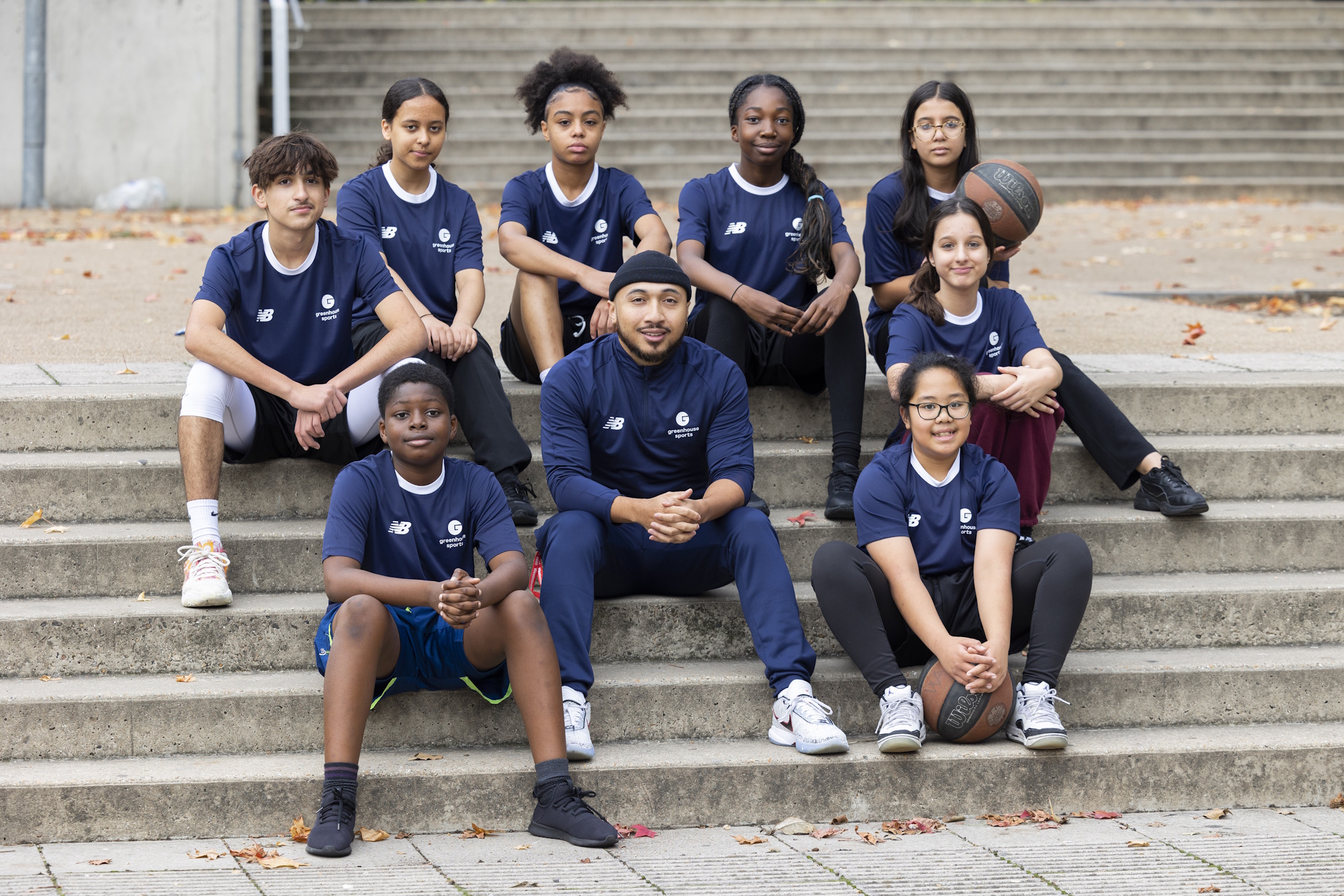
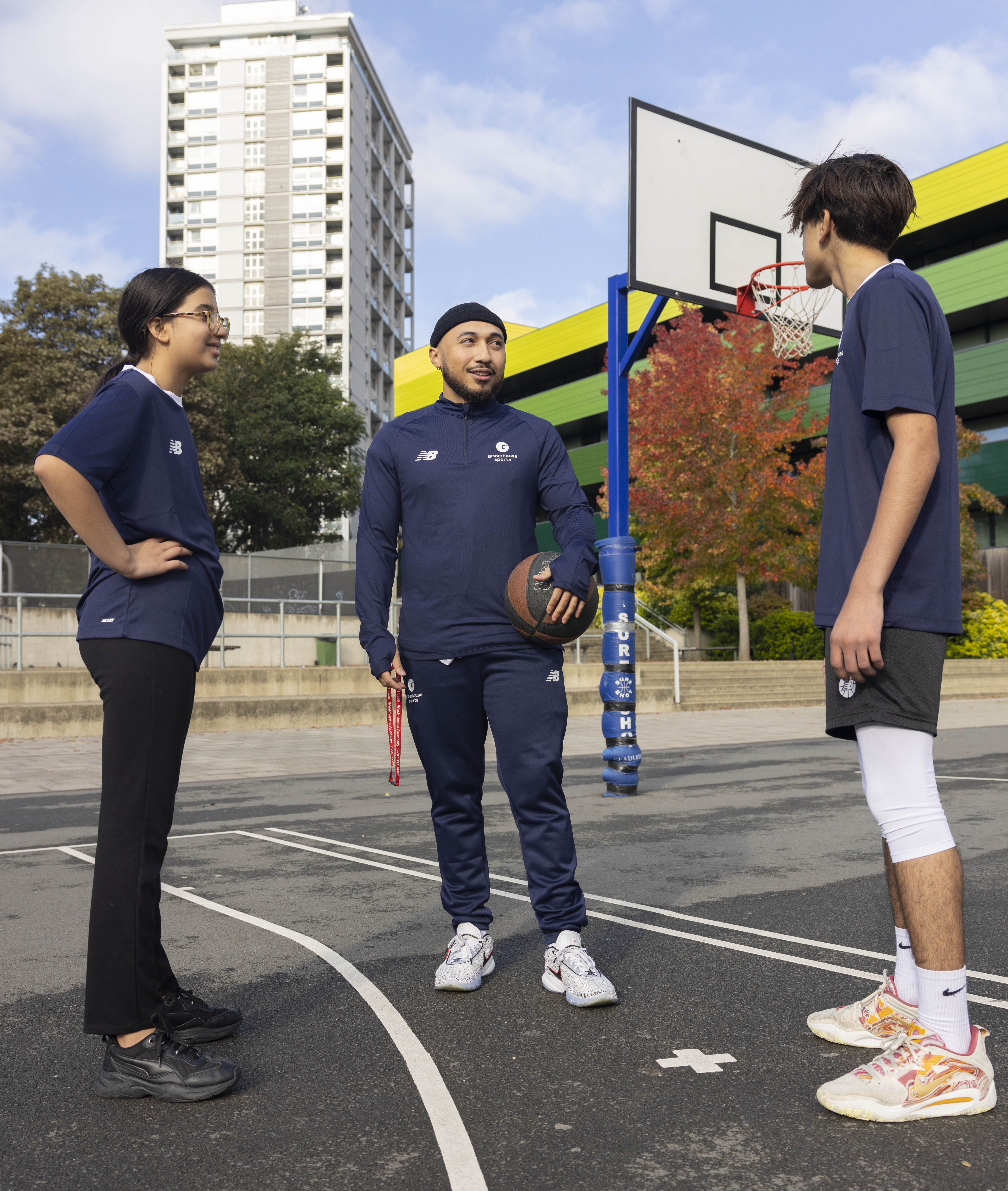
Why it is So Important to Avoid Harmful Labels
Don has seen time and time again, over years of working with developing adolescents, that they often don’t fully understand themselves during this phase of their growth.
Labelling young people has consequences. If they feel they have a badge around their necks, it will not break down barriers, merely place more barriers in their way.
They are on a biological, social, and emotional journey of development and we have to be super careful not to label them,” says Don.
As an aspiring rugby player determined to make it as a professional, he says he was often told he had to be more engaged and enthusiastic. The memory still frustrates him.
“I’m an 18-year-old on a talent pathway. The coach turns to me and says, ‘look at this kid, you can tell he wants it’, because he turns up to training with a notebook.
“What the coach has overlooked is that I have given up every social engagement for the last three or four years of my life to get here. So, I’m not sure why me not having a notebook is relevant.”

It is important check in with your young athletes at regular intervals. A simple but effective strategy at these check-ins is to start by asking yourself, “What is useful for me to know right now?”
Helpful questions to ask your participants might include:
- “What might I want to see you doing at this point?”
- “What is it that will get the best out of you in this situation?”
- “When I’m talking, what do you think my expectations should be?”
An Eye-Opening Lunchtime Experience
When Don was working as Head of Performance Programmes and Pathways at England Rugby he took a group of players on a three-day coaching visit to a school in a deprived area of Northampton.
“I was sat having lunch next to one kid and asked how he was. He said he was feeling tired, so I said ‘go and get some food in you. You’ll be alright’. He replied, ‘I only get a pound from my mum each day’.”
This moment, says Don, triggered a seismic shift in his perspective.
With a Greenhouse child or young person, let’s be explicit on this, we are working in the highest areas of deprivation. When you hear in these environments, ‘you’re lazy today’, the coach might be missing signs of stress, trauma, or lack of sleep. They may not have even eaten that day.”
If a child is exposed to labelling language – especially from a trusted coach that they have come to regard as a role model – it can put them on a negative spiral from which it can be difficult to recover.
You could say instead, ‘I noticed you struggling a bit to get going when the session started. What’s going on? Is there anything I can do?’
Instead of saying, ‘you’re never going to make it if you keep messing about. You’re wasting everyone’s time.’ Try saying, ‘I admire your energy. You’ve got tonnes of potential, but I need us to work together on how we’re going to get you back on track.’
Instead of shouting at a child who is being disruptive: ‘What’s the matter with you?’; ‘What’s wrong with you?’; ‘You obviously don’t care.’ The conversation might play out like this:
Coach: “I noticed you were being disruptive earlier. You know, you are an unbelievable leader.”
Child: “What do you mean?”
Coach: “Like it or not, people follow you. If you behave disruptively, it sets a negative example for others. But when you lead positively, you inspire everyone around you.”
These conversations are simple and relatable. If you have other coaches in your club, Don recommends practising by throwing scenarios at each other.
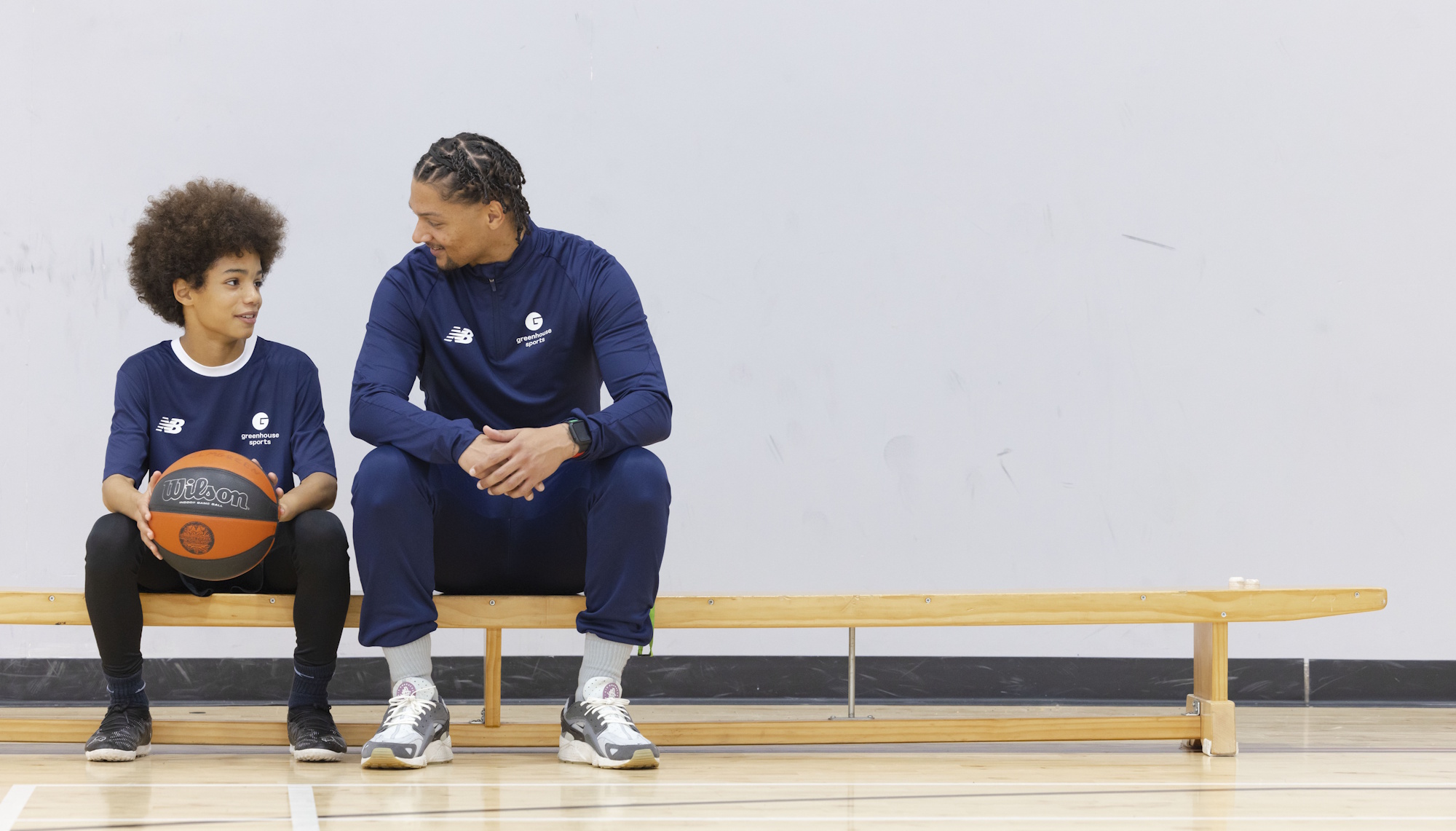
When Silence Isn’t Golden: Challenging Bad Practices
Don says he is an active challenger from the sidelines and has pulled a few coaches up this year during tournaments.
At one under-10s rugby match, he watched in dismay as three coaches stood hollering at the children on one side of the field: ‘Legs. Press. Tackle’.
“These are nine and ten-year-olds. The fact they are even loosely following the ball is a success,” jokes Don.
He approached the coaches and said, “Excuse me, can you explain your expectations here? What impact do you think your shouting these words has?” A discussion ensued, after which one of the coaches apologised.
As an intervention tip to foster a supportive environment, Don’s advice is to remove a minute from your chat with the players and use it to engage with the parents on the sidelines – whose hearts are always in the right place, but whose actions are sometimes unhelpful.
Tell the parents: ‘Today we are working on ‘x’. Some of the session outcomes will focus on ‘x, y, z’. It might look a bit frustrating, but that’s good. They are going to learn from this. When the players come off, ask them what they are proud of, what they have learned, and what concerns they have from the session.’
This approach, says Don, will enhance the coaching experience for both the coach and the children.
With Questioning, Sometimes Less is More
Don recalls something Dean Clark, Senior Lecturer and Programme Leader at Hartpury University, told him while he was studying for his master’s degree in coaching:
A blunt stone can do one of two things: it can sharpen a knife, or it can blunt a knife.
This analogy neatly illustrates the art of questioning in coaching. Sometimes, less is more. Asking too many questions without offering an opinion can be counterproductive, blunting the effectiveness of communication.
“Starting from a place of questioning is valuable because it avoids imposing opinions and reduces the risk of offending someone,” says Don. “However, it's equally important to have the tool in your arsenal to ask, ‘Do you want an opinion?’
In terms of your communication strategy, if you have a high-value coach-athlete relationship, offering an opinion can sometimes be more effective than 45 minutes of questioning.”
If you know someone is tired, sad, or fatigued, and you need to provide more direct guidance to sharpen their focus, saying: ‘Can I give you my opinion?’ can be a powerful engagement tool to leverage quick change.
Challenge yourself by thinking: ‘My communication will be more effective if I talk less and give zero team communications. Instead, I'll focus on providing each person with two or three specific pieces of feedback.’
Effective Communication: The Art of Noticing and Naming
Don emphasises two essential communication skills for coaches: name and notice.
“By mastering these, you will make your coaching world incredibly valuable,” he says.
For novice coaches, it’s crucial to spend more time noticing. It’s perfectly fine, says Don, to stand there and not talk. Observing children as they play will help you learn to notice important details and behaviours.
The "Notice" Part: Spend time observing and understanding the dynamics of the group. Notice the interactions, the efforts, and the improvements. This silent observation will provide you with valuable insights into each participant’s progress and needs.
The "Name" Part: Use specific and positive reinforcement to acknowledge individual and group efforts. This can be done in two ways:
1. Individually:
- “Billy, I was really impressed when you passed the ball to Sarah and called out, ‘Let’s switch sides to create an overlap.’ That was a fantastic decision because you recognised the opportunity and communicated it clearly to your teammate."
2. Collectively:
- “Everybody in. I’ve just watched you execute a perfect passing sequence. This was the impact: your quick thinking and teamwork created an overlap, allowing us to break through the defence and score a goal. Fantastic job! Now, tell me why you chose to do that?”
It is important, says Don, to avoid generic celebrations, as they don’t add value. Instead, focus on specific actions and their positive impacts. This approach encourages a deeper understanding and engagement from the participants, fostering a more supportive and effective coaching environment. By doing so, you ensure that your communication is both meaningful and impactful.
Finally, be mindful of your body language. Avoid being the coach who has their head in their hands at the final whistle or crosses their arms and avoids eye contact to register your disapproval.
“Instead, as a parent, I often stand quietly when they walk off the pitch, offer a hug, and simply listen to what they have to say.”
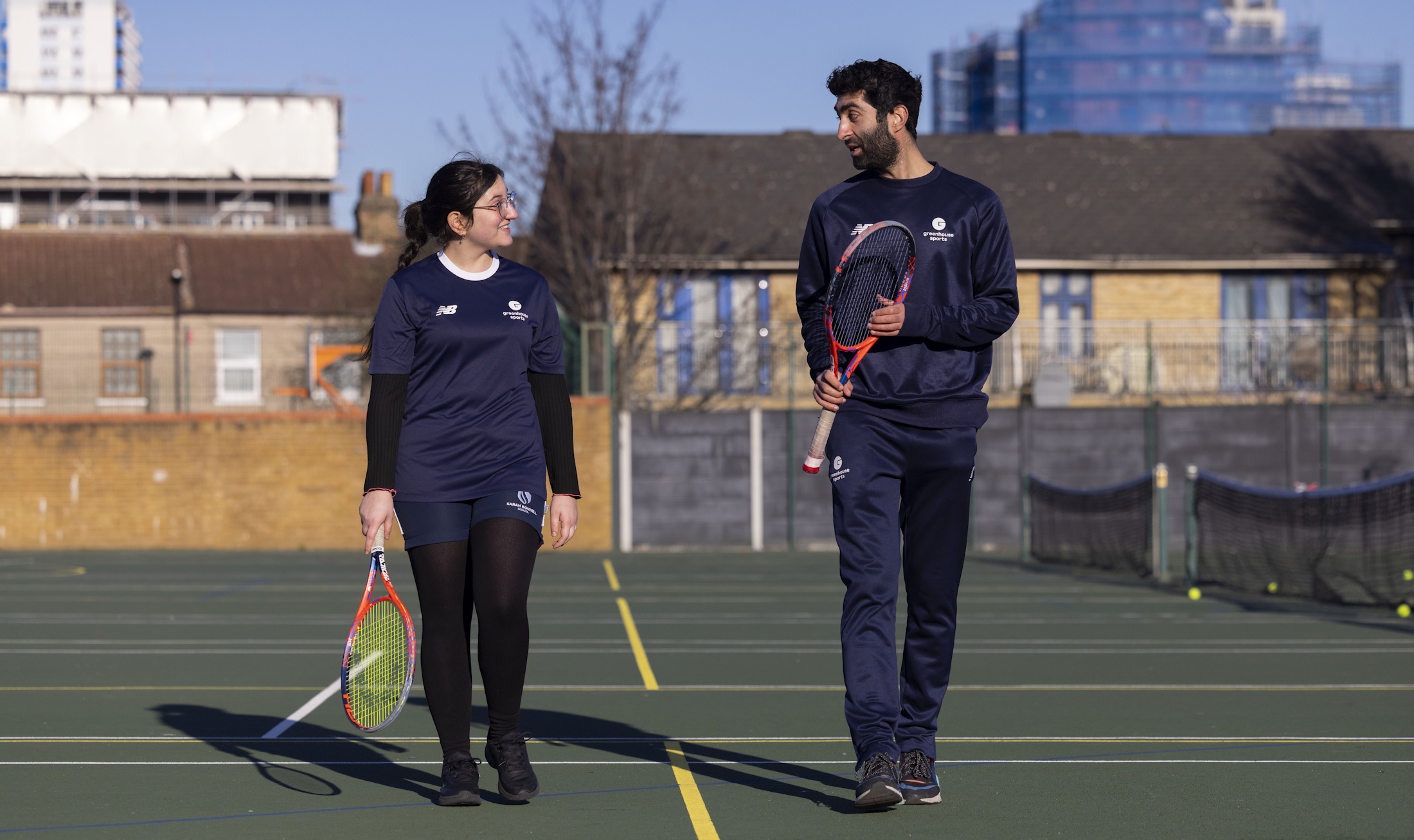
Greenhouse Sports uses a common language framework across all sports, employing the STEP model. In their case the acronym stands for: Social, Thinking, Emotional, Physical.
Each pillar is underpinned by specific behaviours.
Don provides a simple example of how the ‘emotional’ pillar might work in practice.
“You might say, ‘Billy, you dropped that ball, but I saw you take a few seconds to breathe and not react negatively. That’s a big tick in your emotional bucket. You are developing resilience.’”
“And if you’re not the coach at the next session, another coach might notice the same reaction and communicate in the same way. We collect feedback in these simple, understandable buckets that represent each person’s journey.”
To be most effective, coaches will triangulate the system around a young person. In the Greenhouse community, the triad of parents/guardians, schoolteachers, and friends is familiar with the STEP model.
So, that person is surrounded by wraparound support, almost like a tent that stands up when you put more tent pegs around the poles. Then, over time, with consistent messaging, the child will start to think, ‘You know what, maybe I AM resilient’.”
A coach will also log the small ‘victories’ and encourage the children to log them as well.
Don provides an example of how this has worked in practice. When he first joined Greenhouse as CEO, he attended a table tennis tournament. After a child lost a game, Don watched them march off the court, swear to themselves, and hit the barriers with the palm of their hand as they walked back to the seating area.
“I asked his coach if he was alright, and his reply of ‘brilliant’ wasn’t what I was expecting. I said, ‘Brilliant? Really?’ He replied, ‘Yes, that pole would have been through the doors six months ago.’”
Twenty minutes later, the child was back on court and fully focused. Don observed the coach interacting with the player, asking, ‘Tell me how far you’ve come?’, and discussing their improvement and growth.
“In my Greenhouse context, it’s important to address behaviours like these when stressed, because in a job environment, that’s not going to help you.
The further you can look back, the faster you can move forward.”
The True Measure of Sporting Success
In summary, the way you interact with people is critical to ensuring everyone remains engaged and motivated throughout their personal journey, with communication at the heart of this interaction.
A final pearl of wisdom from Don encapsulates this:
“Understanding each person’s Everest is essential,” he says, emphasising the coach’s role in uncovering the unique goals, dreams, and challenges each individual encounters.
If this is the foundation stone for coaches to build on, then Don is equally clear about his definition of success:
There is no context where we couldn’t say that true success means someone will be a lifelong active participant.
“Success isn’t just about winning; it’s about fostering lifelong active participation. If you were to stack it on anything, I’d say sport and physical activity must be an overwhelmingly “value-added” experience.”
Holistic Coaching: Next Steps
Gain a deeper insight into the benefits of holistic coaching for personal development.
200,000+ Coaches, One Community
Join UK Coaching Club today for free, and gain free access to expert coaching guides, insightful videos, practical tools, and resources like Coaching Conversations and Duty to Care. Everything you need to grow and thrive as a coach all in one place.
Join the Club