
A Coach’s Guide to Safe Surfaces and Equipment
 Article
 by UK Coaching
Imagine a participant is severely injured under your supervision. They slip due to a small frozen area of the pitch and collide into a goalpost, which then becomes unstable. You immediately realise you did not check the playing surface or secure any equipment before the activity started. You may be liable for the participant’s injuries. This resource will provide you with the knowledge and skills to avoid similar situations.

Legal principles and coaching
As a Sports Coach, your actions have legal consequences, and you must ensure you take reasonable steps to ensure your players are not exposed to injury. For example, to discharge your duty of care before a game or practice session, the surface and practice area must be checked as you look for any risks and equipment must be inspected and set up correctly.
Inspecting the playing surface includes looking for obstructions, changes to the surface, rubbish, dog foul and sharp objects. It also includes checking if the weather conditions, such as an icy playing surface or waterlogged pitch, mean the surface is dangerous and a session or game should be called off.
As the coach, you should also make sure that all equipment is set up correctly, in good repair, not damaged or worn, and safe to use before every session.
In some sports, the decision on whether a pitch or game can go ahead is devolved to the Match Official, and their decision is final. Failure to follow this may leave you vulnerable to any incidents or accidents that occur during the game.
Guidance from National Governing Bodies
Checking National Governing Body (NGB) guidance is crucial in discharging your duty of care as a coach. It is the expected standard of deployment as a coach, and you should always follow this to avoid any personal liability. Below provides a summary of guidance across a range of NGBs.
Completion of risk assessments
You need to make sure a risk assessment is completed before sessions. This will help prevent you from being open to negligence. This includes checking the playing surface and any equipment that will be needed for the session. You should assess the individuals you coach, the activities planned, the space you are using and, finally, the equipment required for the session. This shows that you have made decisions and judgements based on your coaching knowledge and will support you should an incident occur. This is good practice and should be included in all your planning and preparation.
Inspecting the surface area prior to sessions: Prior planning is key!
A dynamic risk assessment will be continuously undertaken during the session. This includes adapting sessions to the ability of participants, stopping sessions due to participants’ fatigue and moving areas due to the playing area posing a potential risk. Use your professional judgement and make decisions to ensure the safety of you and your participants.
A number of NGBs have apps, such as England Rugby’s ProActive, for reporting any issues that may arise. ProActive provides live and dynamic risk assessments along with a very useful pre-session checklist.
Basketball England believes ‘the best defence is a good offence’. Coaches should inspect the playing surface area prior to sessions by walking over it at a reasonable walking pace. This allows you to:
- Spot obvious obstructions such as loose equipment. In netball, for example, there needs to be adequate run-off space, so items around the court should be removed to a safe distance
- Find dangerous objects such as dog foul, drink cans and discarded items which are often found in public areas and spaces
- Ensure that indoor playing surfaces are clean and dry to avoid slips
- Assess weather conditions. In football, prior to a session, the movement and bounce of a ball can be used to determine whether the surface is playable.
Coaches should arrive with plenty of time to carry out inspections and notify participants as soon as they can if a session has to be cancelled.
Make sure the equipment in use is fit for sports purposes
Coaches should inspect equipment prior to sessions and make participants aware of the risks. Demonstrate the safe and appropriate use of equipment such as contact shields, punch pads, focus mitts, boxing paddles, as well as how to move and secure equipment under supervision.
Coaches should also ensure that participants are not wearing jewellery or items of clothing that can cause a risk of injury to the individual or those they are participating with. The use of wearable technology is now commonplace, but may pose a risk in contact and collision sports. Long hair should be tied back. Hooded clothing should be avoided to reduce the risk of these being pulled or tangled up during activities.
Check that jewellery and watches (including smart watches) are removed where they pose a potential risk to the individual wearing them or other participants, including opponents in games. Always explain the reason for your request and emphasise the risk.
This is best practice as participants may have body jewellery that is under clothing and not visible, such as a belly button ring. This short check and reminder to the participants you coach highlights the risks and is evidence that you have attempted to mitigate them.
In contact sports, you should encourage participants to wear a mouthguard. It’s good practice to remind them before any activity of potential risks and ensure that their footwear is appropriate for the activity, playing surface and conditions.
In Megan Murray v McCullough, a former schoolgirl sought compensation for facial injuries sustained when being hit by a hockey stick while not wearing a mouthguard. The court observed that the school’s coaches had exercised reasonable care by recommending that participants wear mouthguards in a message sent to parents and acted in line with official guidance from the International Hockey Federation. Megan herself had been warned several times about wearing a mouthguard. The claim for damages was dismissed. |
Ensure your equipment is compliant
Where appropriate, check the description and label on equipment, showing each item’s purpose and use. For example, compliant rugby equipment typically includes a World Rugby-approved label.
Refer to your National Governing Body guidance to see if their equipment has labels such as these or tips on what to look out for.
Special considerations
Equipment should be adjusted depending on the needs of your participants. Coach risk assessments should include the needs of the individual and how you will make reasonable adjustments and adaptations to accommodate their stage of learning, age and development.
For example, most community facilities will have adjustable basketball hoops, which can be adjusted according to the participants’ needs.
Adapting an activity can reduce the level of decision-making and risk for participants new to an activity. In rugby, this could involve reducing the distance between opponents in a tackle practice, starting with walking and removing complexity, such as a pass or decision on who to tackle, reduces the risk to a player new to tackling.
In the circumstance a playing surface or facility is not deemed appropriate for use:
To avoid disappointment and further issues:
- When possible, communicate in advance, as early as possible, to your participants if a training session is cancelled.
- Participants may be disappointed to receive this information, however, the safety of your participants and you as a coach is paramount
- If you are the home team, communicate with the visiting team as soon as you can. The final decision is often with the match officials on whether the game is played.
In the circumstance equipment is not deemed appropriate for use:
To avoid being held liable:
- Do not attempt to use the equipment
- Make a note on your risk assessment of any equipment that is identified as not safe prior to use and remove it immediately
- Communicate with venue and facilities staff if equipment provided by them or ‘fixed’ equipment such as wall bars, net supports, posts and goals is unsafe
- To prevent this from happening, provide your own equipment that you know is safe where possible and never adapt equipment not intended for a participant’s age or stage of development
Coaching Stories
As you read the coaching scenarios below, consider whether the coach could be liable. Consider how the situation would apply to your sport, physical activity, the people you coach and the ‘spaces’ you use. What would you do?
Each scenario is based on a different sports law case. The court's judgment in each scenario is used to help you understand the risks and how to avoid these situations.

Participant Ability: Rugby
A coach instructs a student to use a rugby tackle shield for a practice activity.
The player feels that the straps on the tackle bag are too large for her and, therefore, she cannot properly brace herself for the impact of a tackle. Due to the pressure she feels from the coach to not be a nuisance and help the team, she uses the tackle bag anyway.
As a result of the tackle bag straps being loose and the player using the equipment in the wrong way, she fractures her arm in the activity.
| The coach may be found to have breached their duty of care in this instance if the use the equipment is not appropriate and caused the injury to the participant and the coach allowed the student to participate with inappropriate equipment. |
Consider, have you demonstrated and shown participants how to safely use, assemble and remove equipment? It is your responsibility to ensure they know how to use the equipment.
Legal Lesson: This scenario is based on the case of Shone v British Bobsleigh Ltd where an athlete broke her neck due to the bobsleigh not being properly adapted for her. British Bobsleigh Ltd were found vicariously liable for the accident. This case demonstrates the importance of adapting equipment to the participant so that they can use it in a safe and appropriate manner. The case also shows the importance of creating a supportive environment so that students under your care feel comfortable in telling you that they don’t feel safe and that they won’t be punished for speaking up. |
Pitch Inspection: Football
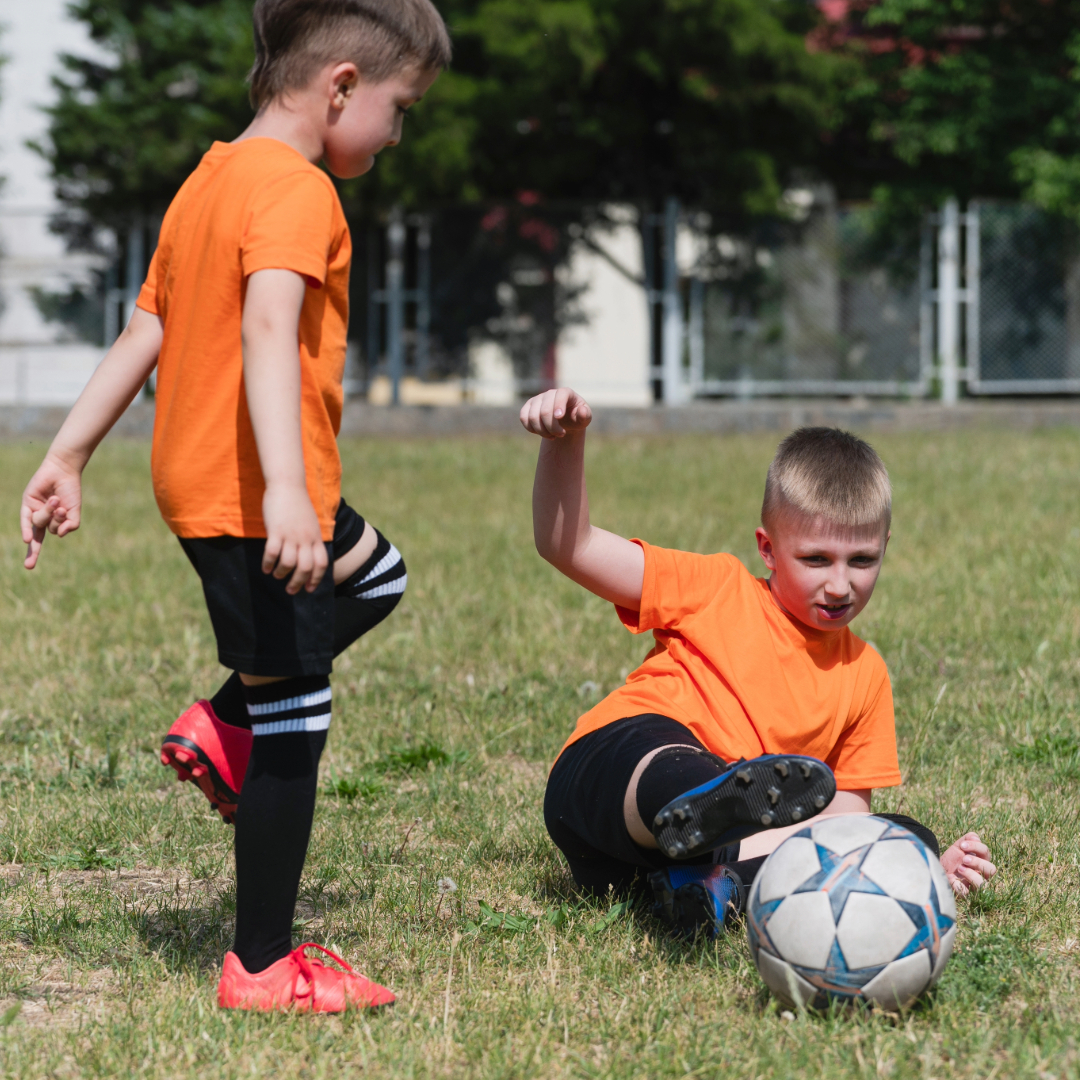
During a practice game on a public pitch, one of the players commits a slide tackle. In doing so, they gash their knee open on a loose piece of metal from a discarded drinks can, which is clearly protruding from the ground.
| This is a potentially legally liable situation for the coach if they did not walk over the playing area to scan for any dangerous objects before play started. |
Legal Lesson: The scenario here is very similar to the case of Sutton v Syston RFC. Here, a rugby player gashed their knee on a broken cricket boundary marker stuck in the ground. The judge in this case stated that walking over all the areas in which play might take place at a reasonable walking pace would be sufficient to discharge the duty of care as a coach and to avoid being legally liable for any injury caused by objects in the playing surface. Furthermore, if after having scanned the playing surface at a reasonable walking pace, a participant still gets injured on an object in the playing surface, and it was unlikely that such an inspection would have revealed the object, the coach will not be held liable. |
Apparatus and Equipment Check: PE Lesson
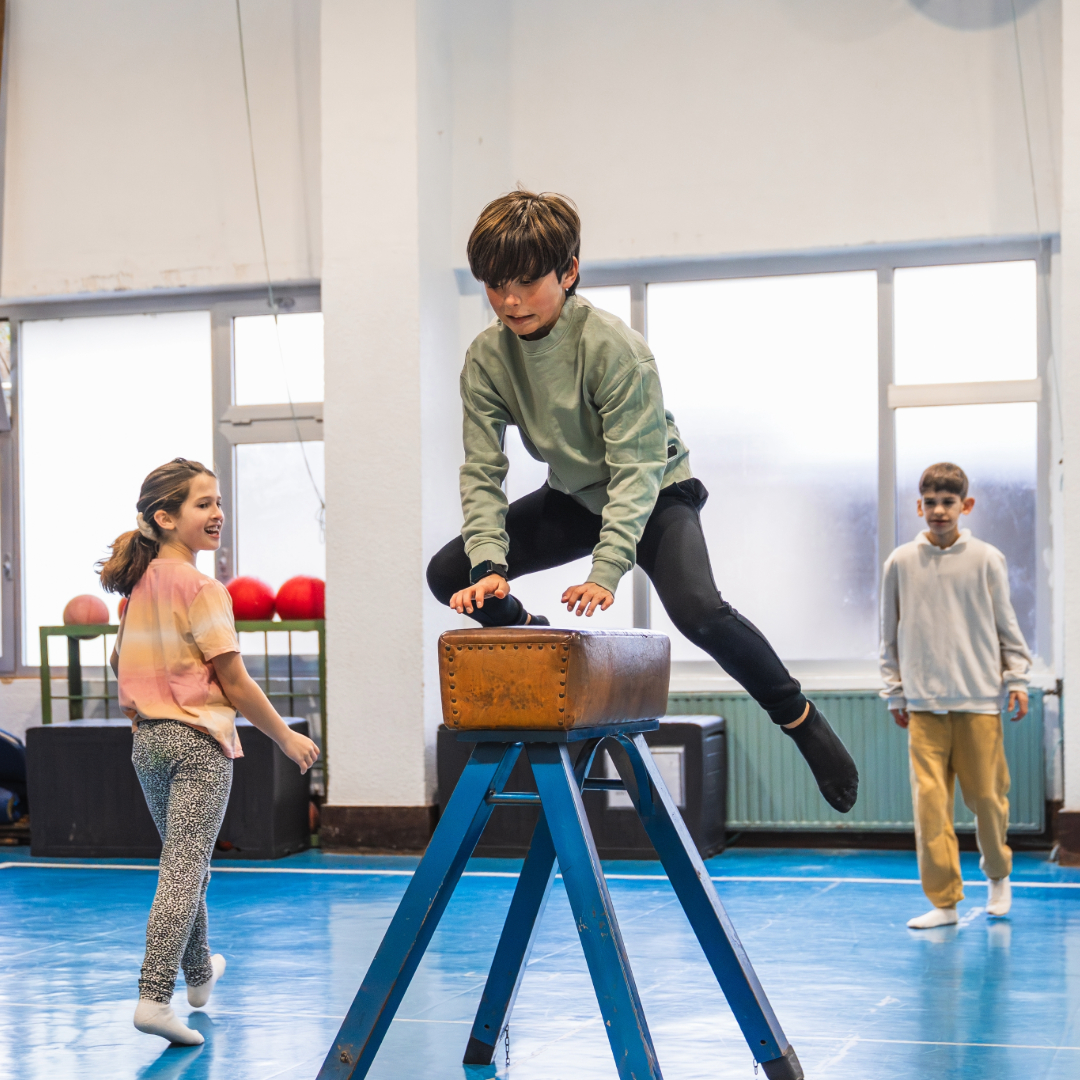
During a PE lesson, the teacher asks the students to walk along a balance beam that has been set out. The teacher did not check whether the beam was secure and did not give a demonstration on how to mount, move and dismount the beam in a safe manner. The beam was one of four activities the teacher had set out, and they were not supervising the activity whilst the students were using the beam.
Whilst using the balance beam, it moves and begins rocking whilst a student is walking along. They slip and seriously damage their ankle due to the beam being unsecured and unsafe.
| The teacher may be liable in this situation if they have not checked the equipment is set up properly and secure. |
Legal Lesson: This scenario follows the case of Goulding v Doherty. In this case, a student was using a rebound board and fell, sustaining a fracture to her shin. The coach in charge in this case took the following actions:
This was enough to discharge their duty of care and avoid any legal liability. Following the three points will help you avoid any legal liability issues. |
Dynamic Decisions: Cricket
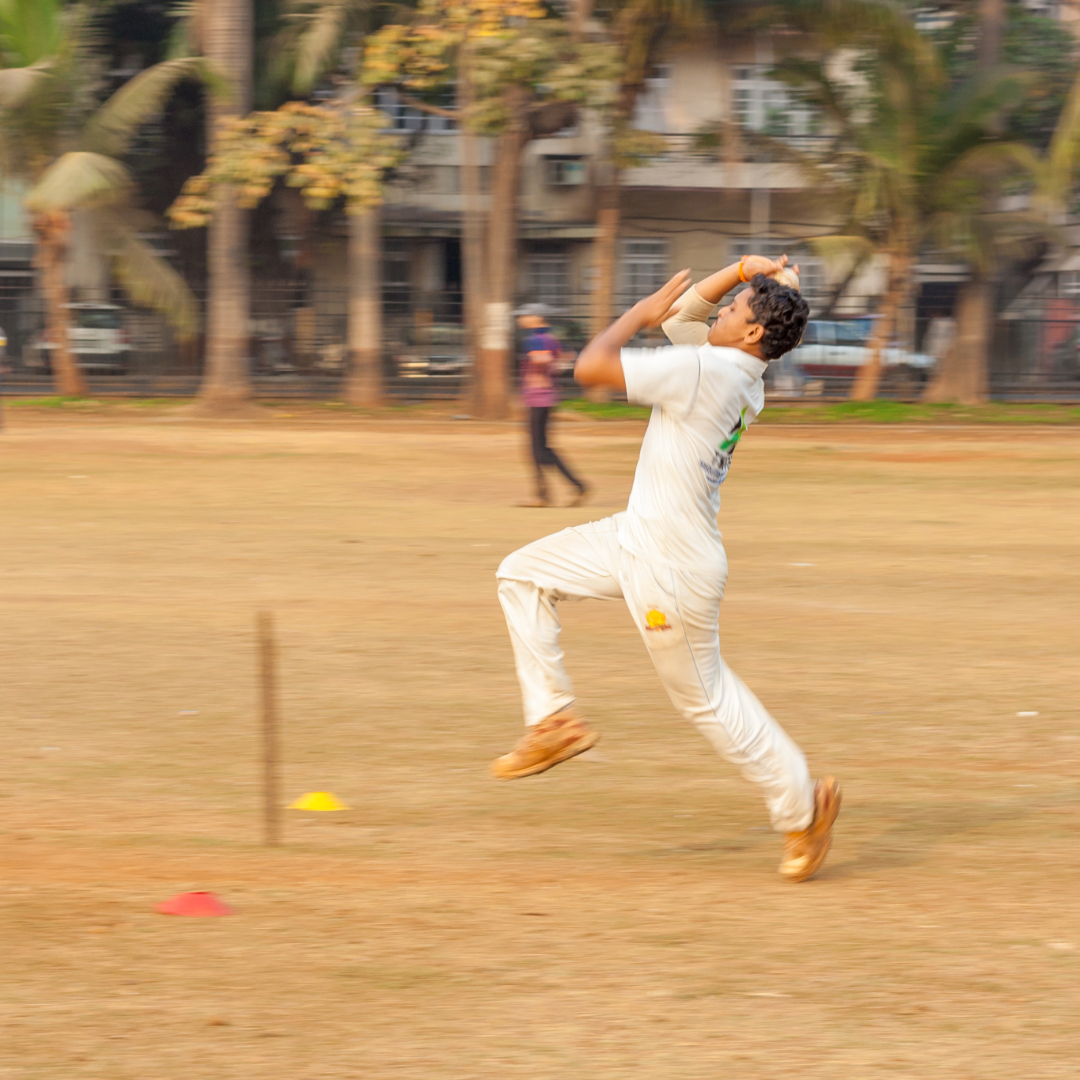
A coach is umpiring their team in an amateur cricket match. There has been heavy rain, and they need to determine whether the playing surface is safe enough for play to go ahead. After inspecting the cricket square, they decide that the ground is safe to play on.
When the match starts, a bowler begins their run-up and slips on the final approach of their delivery due to standing water and an extremely wet wicket, severely injuring their knee.
| The coach may have breached their duty of care and may be liable for the player’s injury in allowing the game to start with the playing surface in a dangerous state. |
Legal Lesson: The case of Bartlett v English Cricket Board Association of Cricket Officials had very similar facts. A participant claimed that the umpires of the match had breached their duty of care by allowing the match to be played whilst the pitch was unfit, causing his injury. This case gives us several key principles to consider when deciding if play should go ahead due to playing surface conditions in any sport:
Having these three points in mind when determining whether a playing surface is safe will help you exercise your duty of care properly and avoid legal liability. |
Summary
- Always take reasonable steps to ensure participant safety
- You have a legal duty to adopt reasonable coaching practices so that participants are safe
- For all sports and physical activities, the facilities and playing surface should be inspected and walked over at a reasonable pace to demonstrate and discharge your duty of care
- Always follow NGB guidance to help make sure that you are current on the latest information to reduce your liability for any accidents
- Keep yourself up to date with coaching guidelines, technical developments, and rule changes to ensure you are coaching using current best practice