
DCMS Game On: UK Coaching Keen to Support a People-First System
 News
News by UK Coaching
The DCMS Game On report highlights ambition for sport. Focusing on people, not just policy, is essential and we can support schools, communities and partners turn ambition into action.
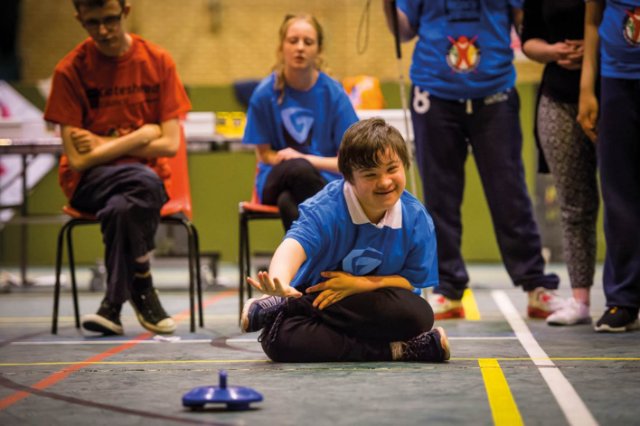
The DCMS Game On report sets out a welcome ambition to strengthen school and community sport across the UK.
UK Coaching supports that ambition. But the evidence is clear. Coordinated investment in the workforce is key to achieving this ambition in a sustainable manner.
Facilities and programmes matter, but they do not deliver experiences on their own. Teachers, coaches and volunteers do.
If Game On is to lead to lasting change, workforce development must be a central principle.
What needs to happen next
Give schools certainty
Government should confirm multi‑year funding for the Primary PE and Sport Premium. Certainty enables schools to invest in workforce capacity and support high‑quality curriculum PE, while and ensuring external provision is used effectively.
Back teacher confidence
Strengthening Initial Teacher Training and ongoing professional development in PE, particularly in primary schools, is essential. Confident teachers underpin consistent quality and are key in shaping children’s early relationship with sport and movement.
Set clear standards for coaching in schools
National guidance for external delivery should clearly set standards for safeguarding, inclusion (including SEND), child development, and coach deployment. External coaches should complement teacher expertise, not replace it.
Build a modern school–community system
The return of School Sport Partnerships is a significant opportunity. Workforce development must sit at the heart of any new model, strengthening links between schools and community sport and reducing duplication.
Make volunteering easier and safer
Volunteers remain critical to the system, but complexity and duplication in checks and requirements present barriers. Expectations must be proportionate to role and risk. Clear pathways into paid roles will sustain the pipeline of future coaches.
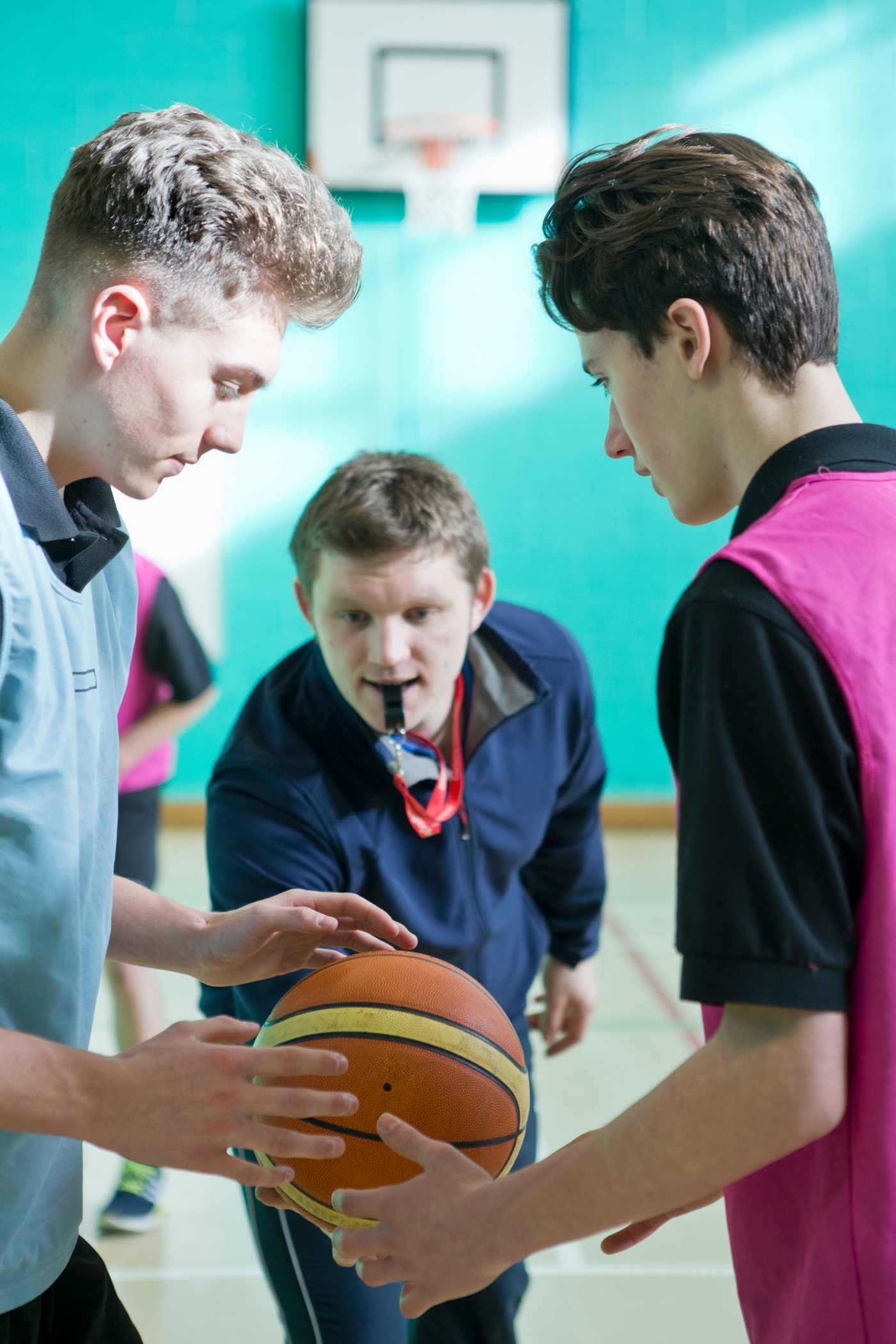
UK Coaching’s role
Turning the Game On recommendations into reality requires system leadership and practical coordination.
We can help partners turn these recommendations into action by:
- Clarifying expectations around quality and safety
- Strengthening support for effective coach deployment
- Reducing duplication across education and training pathways
This enables schools, national governing bodies and education providers to deliver more inclusive and higher‑quality coaching in both schools and communities, while simplifying how the system works for those operating within it.
We have found that coaches play a hugely positive role in both schools and communities – when expectations are clear and support is aligned.
Evidence must underpin workforce policy
Our report Coaching in the UK 2024 shows that:
14% of active coaches work in primary schools

7% work in secondary schools
 Most paid coaches working in schools are female
Workforce policy must be grounded in evidence, not assumption.
Our data reinforces the need to focus on capability and deployment, rather than stereotypes, to ensure every child benefits from safe, inclusive, high‑quality provision.
We actively encourage partners and policymakers to use this evidence when shaping policy and developing approaches to both volunteer and paid coaching pathways.


We stand ready to work with government, Sport England and system partners to help Game On's ambition to deliver more active children, better early experiences and stronger community sport. Workforce investment cannot be optional, short‑term or fragmented.
A clear test of ambition
If Game On is to deliver more active children, better early experiences and stronger community sport, workforce investment cannot be optional, short‑term or fragmented.
It requires a genuinely joined‑up approach across education and sport that sets clear standards and offers sustained support.
We stand ready to work with government, Sport England and system partners to make that happen.
What would make the biggest difference in your context: funding certainty, clearer coaching standards in schools, or reducing barriers for volunteers? Share your thoughts with us on LinkedIn.