
UK Coaching celebrates Milano Cortina 2026 Winter Olympic Games coaches
 News
News by Mark Gannon
UK Coaching celebrates the contribution of coaches to Team GB’s success at Milano Cortina 2026 and reflects on the evolving role, recognition and responsibility of coaching in modern Olympic sport.
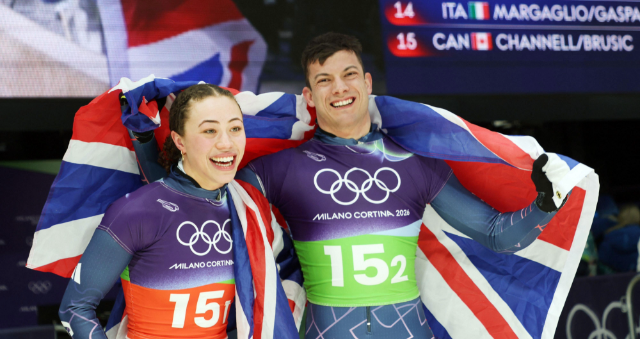
UK Coaching reflects on Team GB’s most successful Winter Olympic performance to date and the central role coaches played at Milano Cortina 2026, highlighting both the strength of Britain’s coaching system and the evolving responsibilities coaches hold in modern Olympic sport.
The Milano Cortina 2026 Winter Olympic Games marked a defining moment for Great Britain in winter sport. In contrast to earlier eras, Britain arrived not as a peripheral participant but as a credible, medal winning nation, underpinned by a mature and professional coaching system. The Games, staged across Milan, Cortina d’Ampezzo and the surrounding alpine clusters, showcased how far British winter sport had evolved while also revealing persistent tensions around coaching recognition and ethical scrutiny in a modern, hyper mediated Olympic environment.
Mark Gannon, UK Coaching CEO reflects on Team GB success and the significant role coaches played.
Performance and the Centrality of Coaching
Team GB delivered its most successful Winter Olympic performance to date, surpassing previous medal benchmarks and achieving success across both ice and snow disciplines. Gold medals in skeleton and snowboard cross, alongside podium finishes in curling and freestyle skiing, reflected not only individual brilliance but the effectiveness of long term, coach led performance programmes.
British athletes repeatedly credited stable coaching relationships, marginal gains preparation, and consistent technical support across the four year cycle. Unlike earlier Games, where Britain’s winter athletes often trained abroad in fragmented environments, Milano Cortina demonstrated the payoff of centralised coaching expertise, supported by the UK Sports Institute and National Governing Bodies.
Media Recognition of British Coaches
Despite this progress, media recognition of coaches remained uneven. British coverage particularly on broadcast highlights and digital platforms continued to focus primarily on athletes, medal moments, and personal narratives. While coaches were occasionally mentioned in post event interviews or long form features, they were rarely profiled as strategic leaders in their own right.
This stands in contrast to official communications from UK Sport, which explicitly highlighted the role of world class coaching, integrated sports science, and sustained funding in enabling success. The gap between institutional messaging and mainstream media storytelling suggests that, even in 2026, coaching remains under represented in public narratives of British sporting success.
Coaching in a Highly Mediated Games
Milano Cortina was one of the most intensively covered Winter Olympics in history, with real time analysis, social media amplification, and global scrutiny. This environment magnified coaching decisions both positively and negatively.
For Team GB, this scrutiny largely worked in their favour. British coaching teams were portrayed as calm, methodical, and athlete centred, particularly in sports such as skeleton and curling, where tactical clarity and psychological control were visible under pressure. However, this same media environment exposed broader coaching controversies elsewhere, reshaping how coaching ethics were discussed across the Games.
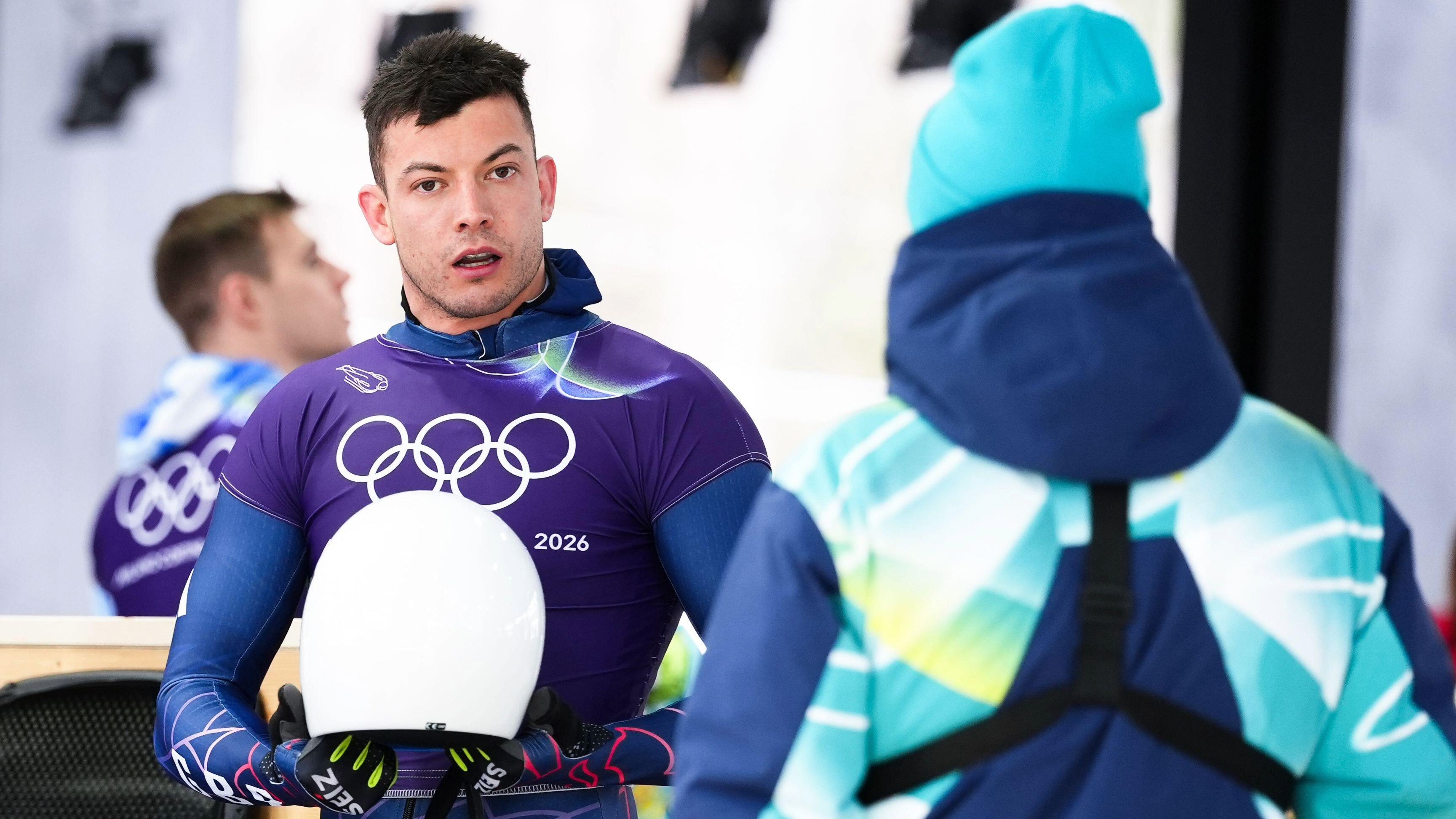
Coaching Related Controversies at Milano–Cortina 2026
While Team GB avoided major controversy, coaching issues were central to several wider Olympic debates:
Figure Skating and Coaching Ethics International attention focused on the presence of controversial figure skating coaches linked to previous doping scandals. Although no sanctions were imposed at Milano Cortina, the visibility of these figures reignited debate about coach accountability, athlete welfare, and regulatory consistency.
Neutral Athletes and Supervision The participation of Individual Neutral Athletes (AINs) raised questions about who may formally coach or supervise athletes during Olympic competition. The visibility or absence of certain coaches during training and competition became a talking point, highlighting the growing complexity of coaching governance at the Games.
Curling and Technical Disputes Allegations of rule infringements in curling brought renewed focus on the role of coaches in enforcing standards of behaviour and compliance under pressure. Although these controversies did not directly involve British teams, they reinforced the expectation that coaches are responsible not just for performance, but for conduct.
Athlete welfare. Coaches have a fundamental responsibility to prioritise athlete welfare over short term success, particularly when decisions about competing while injured are involved. The debate surrounding Lindsey Vonn highlights this tension clearly: while elite athletes are driven by resilience and personal agency, coaches must provide a critical safeguard against unnecessary risk. Encouraging competition through injury can expose athletes to long term physical damage and psychological pressure, especially in high risk sports. In Vonn’s case, her return demonstrated extraordinary courage, but it also underscored the need for coaches to challenge ambition with medical evidence, ethical judgment, and a duty of care that extends beyond medals or legacy.
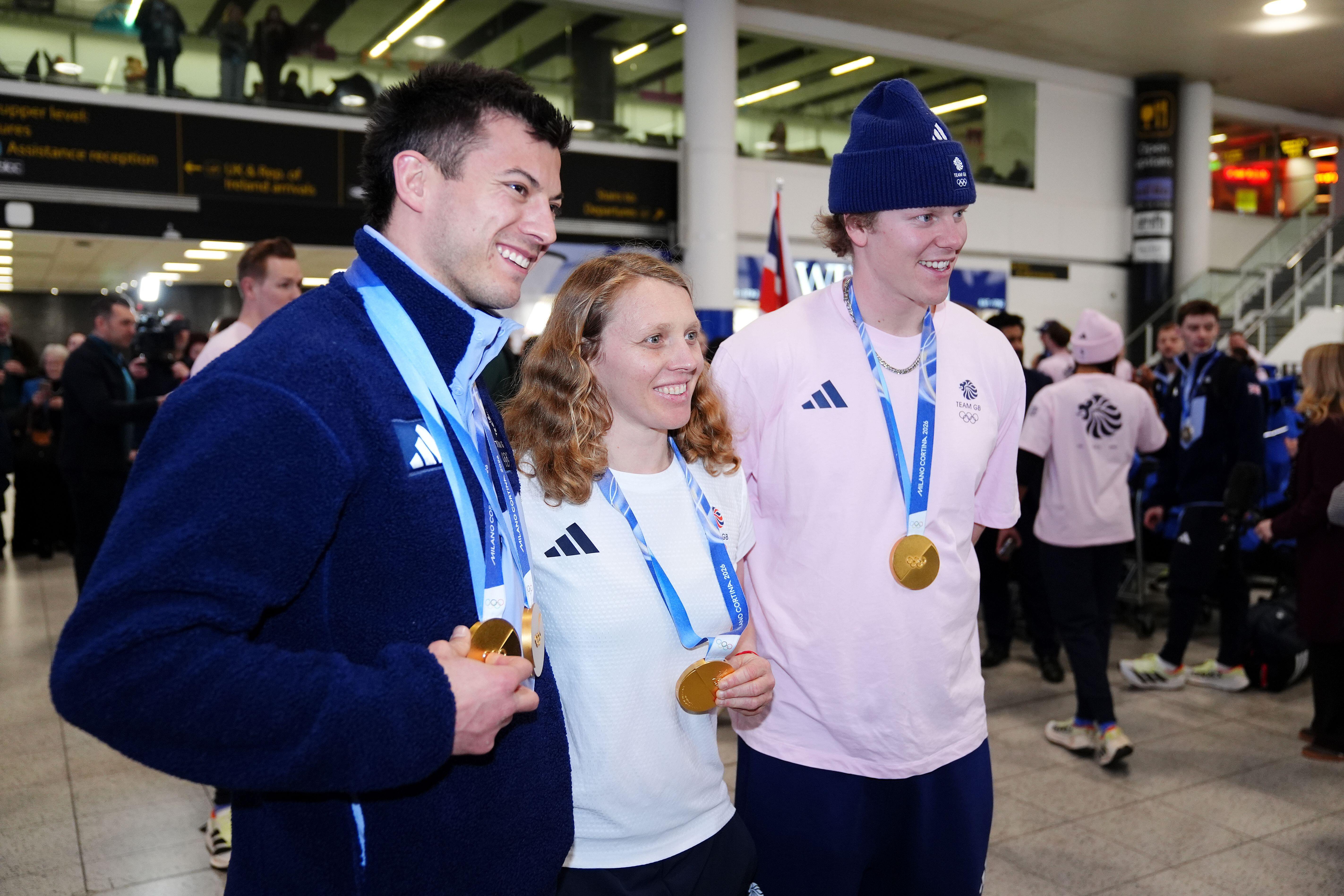
What Milano–Cortina 2026 means for British Coaching
From a British perspective, Milano Cortina 2026 confirmed that coaching is now a competitive strength, not a limiting factor. The challenge ahead lies less in performance delivery and more in recognition, visibility, and narrative balance. Coaches are central to success yet remain largely invisible to the public eye unless controversy intervenes.
The Games underscored a broader truth: in modern Olympic sport, coaches are no longer just technicians. They are leaders, ethical guardians, and public figures by proxy whether they get the recognition they deserve or not.
200,000+ Coaches, One Community
Join UK Coaching Club today for free, and gain free access to expert coaching guides, insightful videos, practical tools, and resources like Coaching Conversations and Duty to Care. Everything you need to grow and thrive as a coach all in one place.
Join the Club