

Activity Alliance
Case Study
UK Coaching is working to embed Inclusive Learning Principles into real-world practice, creating learning that is accessible and shaped by relevant lived experience. Here’s how that commitment is making a difference.
Why Inclusive Learning Matters
Disabled people make up one in four people in the UK, yet remain underrepresented across the sport and physical activity workforce. Unlocking that potential requires a fundamental shift in how learning is designed and delivered.
Inclusive learning is not an add-on. It means making practical choices from the outset to remove barriers and create opportunities for everyone to belong, progress and lead.
What Are the Inclusive Learning Principles?
Developed by Activity Alliance in collaboration with UK Coaching and sector partners, the Inclusive Learning Principles provide a practical framework to support this shift.
They are not a checklist or compliance exercise. They offer a flexible set of prompts to help organisations design learning that works for everyone.
The 10 Inclusive Learning Principles
- Inclusion is everyone’s role
- Led by lived experience
- Keep it real
- Accessible by design
- Use clear, inclusive language
- Flexible and personal
- Enable growth and progression
- Learn together
- Reflect, apply, act
- Monitor and improve
How UK Coaching is Embedding Inclusive Learning Principles
Embedding inclusion is a core part of how we design and deliver learning. We aim to create experiences that are shaped purposefully for the people they serve.
This means placing lived experience at the centre, reflecting real coaching environments, and continuously learning from feedback to improve. The following examples show how these principles are being applied in practice.

Equali-tea: Creating Space for Real Voices
Principle: Led by lived experience
What is it?
Our Equali-tea sessions are conversations chosen by colleagues to explore EEDI topics. Previous conversations have focused on disability, menopause, long-term health conditions and LGBTQIA+ inclusion. The aim is to build understanding, awareness and connection across the organisation.
What was our why?
We wanted learning to reflect real experiences, not assumptions. With lived experience at the centre, learning became more relevant, relatable and impactful. We wanted colleagues to have a voice in shaping what to discuss and how to learn.
What did we do?
Staff help choose topics and contribute their own perspectives, alongside input from internal and external subject matter experts. Sessions are designed to support different ways of participating, helping create a safe, open environment. We also introduced accessible delivery options and shared tools to support inclusive practice.
What changed?
Colleagues feel more confident speaking up and sharing experiences. Conversations are more open, and understanding has deepened across teams, with feedback shaping future sessions. The discussions help raise awareness of the topics and have stimulated curiosity for future learning.
What’s next?
We are expanding the approach through more face-to-face sessions and new formats that encourage smaller group discussion, while exploring additional topics, led by staff contribution, feedback and lived experience.
Coaching Conversations: Learning Through Authentic Experience
Principle: Keep it real
What is it?
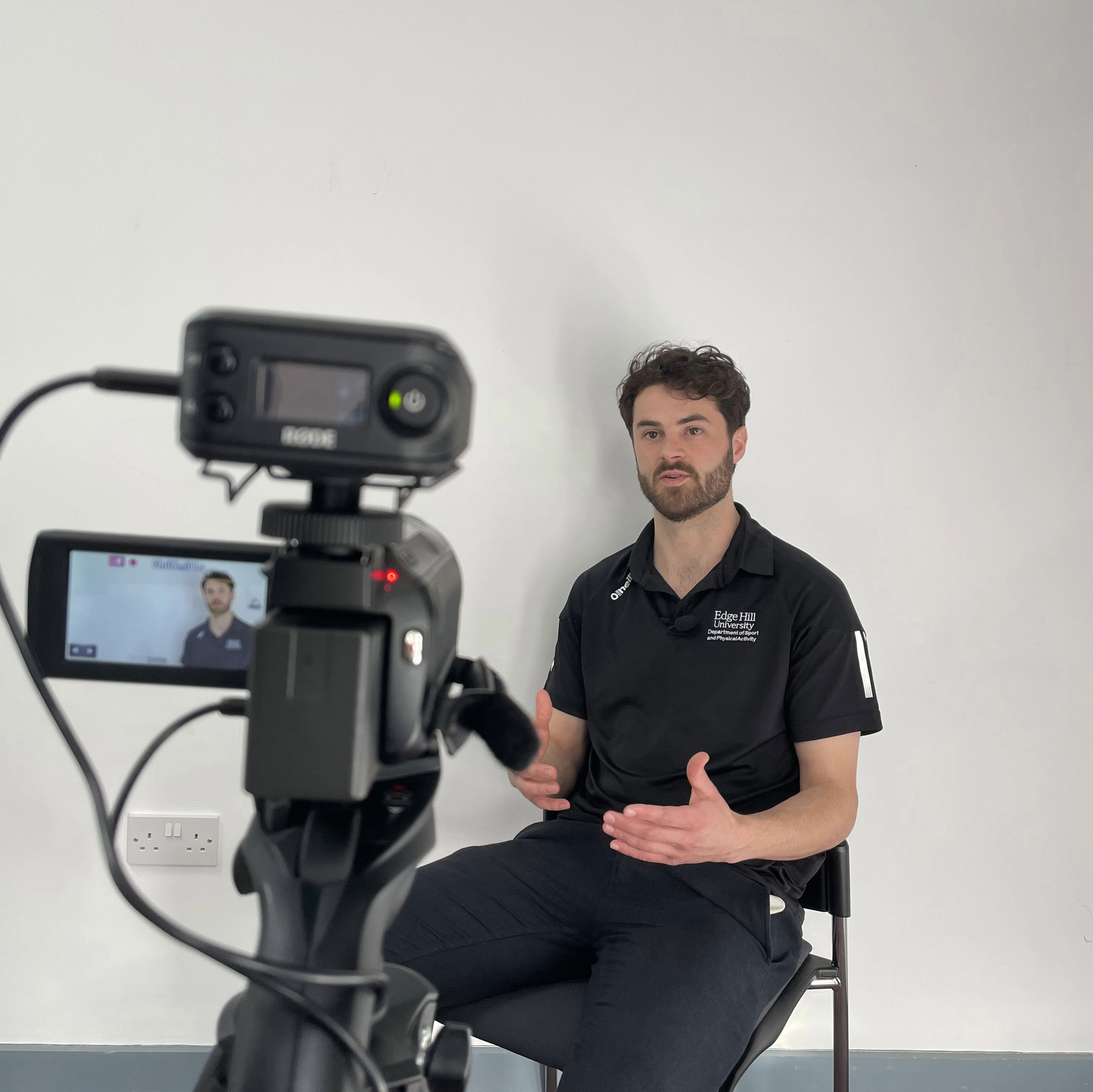
The Coaching Conversations series provides learning direct from coaches across different sports and environments. These real-world insights show how principles of the Coach Learning Framework are applied in practice.
What was our why?
We wanted to move beyond theory and create learning with an authentic edge. Coaches sharing real experiences helps learners connect with the content and recognise how inclusive coaching works in different contexts.
What did we do?
We captured coaching experiences in video format with closed captions hardwired into the footage. The content reflects diverse perspectives with coaches from varying sports and personal backgrounds.
What changed?
Learning has become more engaging and relatable. Coaches find it easier to apply concepts in their own environments, while diverse voices build confidence across the whole workforce.
What’s next?
We will continue to broaden the range of voices represented in the series, ensuring more coaches see themselves reflected while adding more insights for the workforce to learn from.

Coach Development: Strengthening Learning Through Feedback
Principle: Monitor and improve
What is it?
UK Coaching works with partners to design and deliver learning that meets the needs of the workforce, supported by tutor development, peer collaboration and structured review processes.
What was our why?
Inclusive learning must evolve. Ongoing feedback ensures the quality of learning remains consistent across the organisation. We want to remain responsive to the needs of learners, tutors and partners.
What did we do?
We introduced clear feedback loops, including learner feedback, tutor reflection and partner insight. Regular review points allow us to test improvements and refine delivery over time.
What changed?
Learning has become more adaptable and workforce led. We share what has changed and why with learners and tutors to build trust and reinforce that inclusion is an ongoing process.
What’s next?
We will continue to embed these review processes into learning and share insight across our network, ensuring constant improvement remains central to how we work.
The Benefits of Inclusive Learning Principles
Applying the Inclusive Learning Principles is helping us to:
Design learning that is more authentic and representative
Create accessible and flexible experiences from the outset
Embed lived experience across design and delivery
Continuously learn, adapt and improve our approach
Inclusive learning benefits everyone. We can create stronger, more effective learning that supports a more diverse and inclusive workforce by designing with all people in mind.
Start Your Journey
Whether you are designing a new course or reviewing an existing programme, the Inclusive Learning Principles offer a practical place to start.
- Explore the principles and guidance
- Reflect on your current learning
- Make one change to improve accessibility or inclusion
Small changes can remove big barriers and help create learning that truly works for everyone.