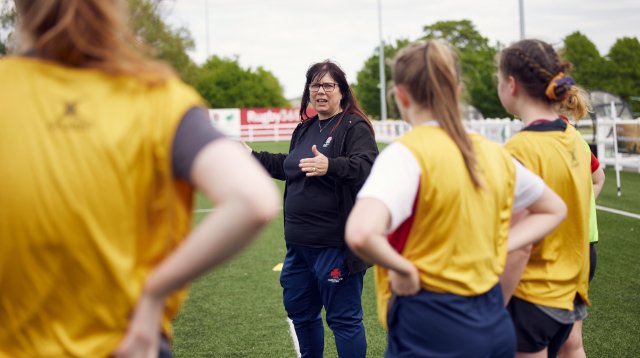
Women’s Rugby World Cup Set to Inspire a New Generation of Female Coaches
 Inspiring Story
 by Blake Richardson
UK Coaching visited Broughton Park Rugby Club in Manchester on the eve of the Women’s Rugby World Cup (WRWC) to speak with Red Roses legend Maggie Alphonsi MBE and current England defence coach – and 2014 World Cup winner – Sarah Hunter CBE. Both are optimistic that by showcasing elite female coaches and players to a global audience, the tournament will leave a legacy of increased participation and opportunities for women in coaching.
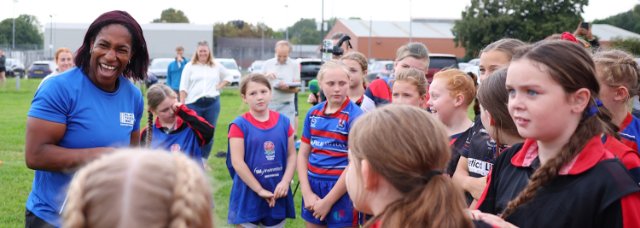
The Women’s Rugby World Cup is set to be a transformational tournament for the women’s game. The presence of so many female coaches and support staff will help break down stereotypes and challenge the perception of rugby as a largely male domain, and highlight the benefits of greater gender representation at all levels.
Maggie Alphonsi is one of the best-known names in women’s rugby, having represented the Red Roses 74 times, scoring 28 tries. She helped England win a record-breaking seven consecutive Six Nations crowns, and a World Cup.
Now a media pundit and commentator, she will be part of the BBC broadcast team for its coverage of this year’s tournament.
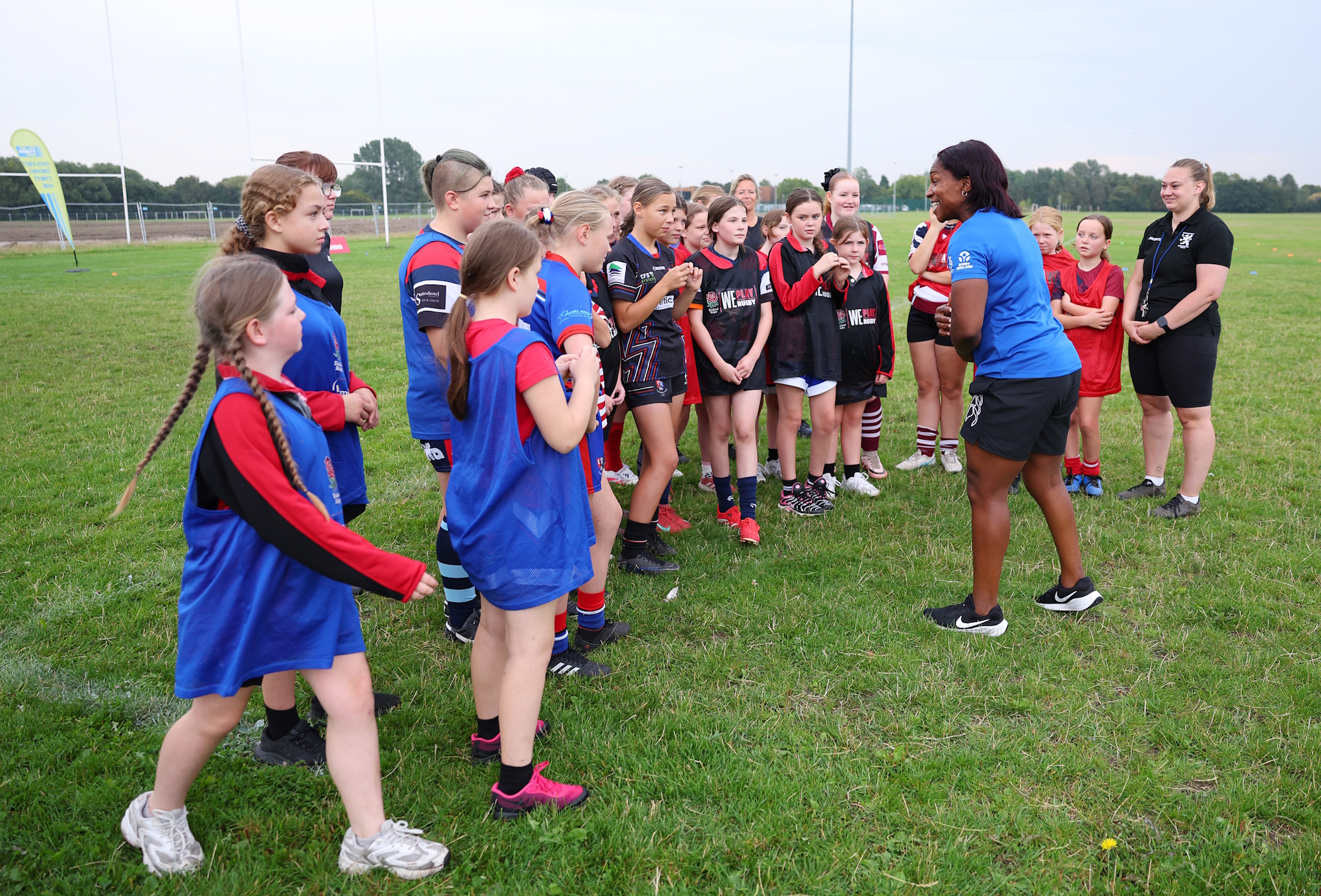
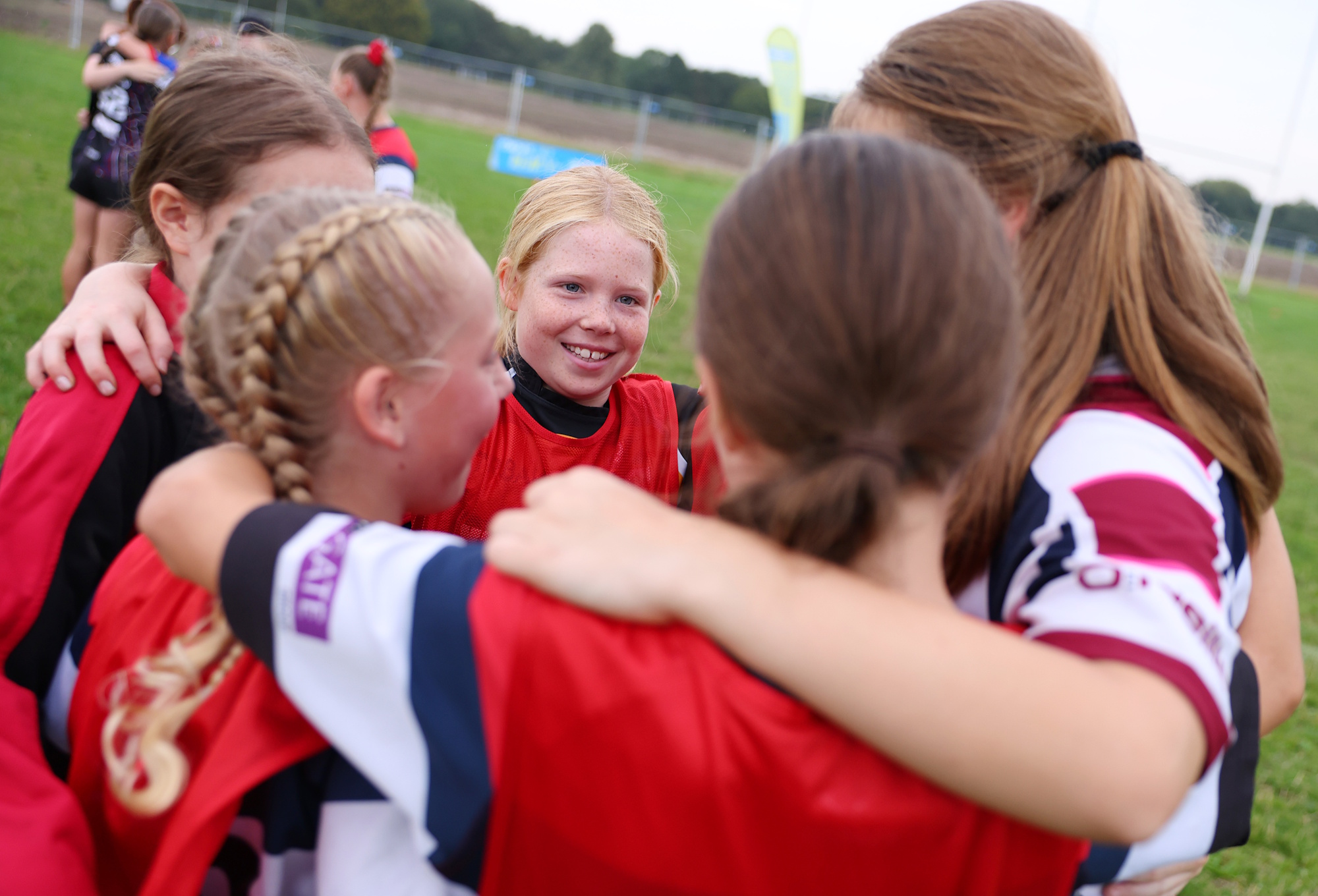
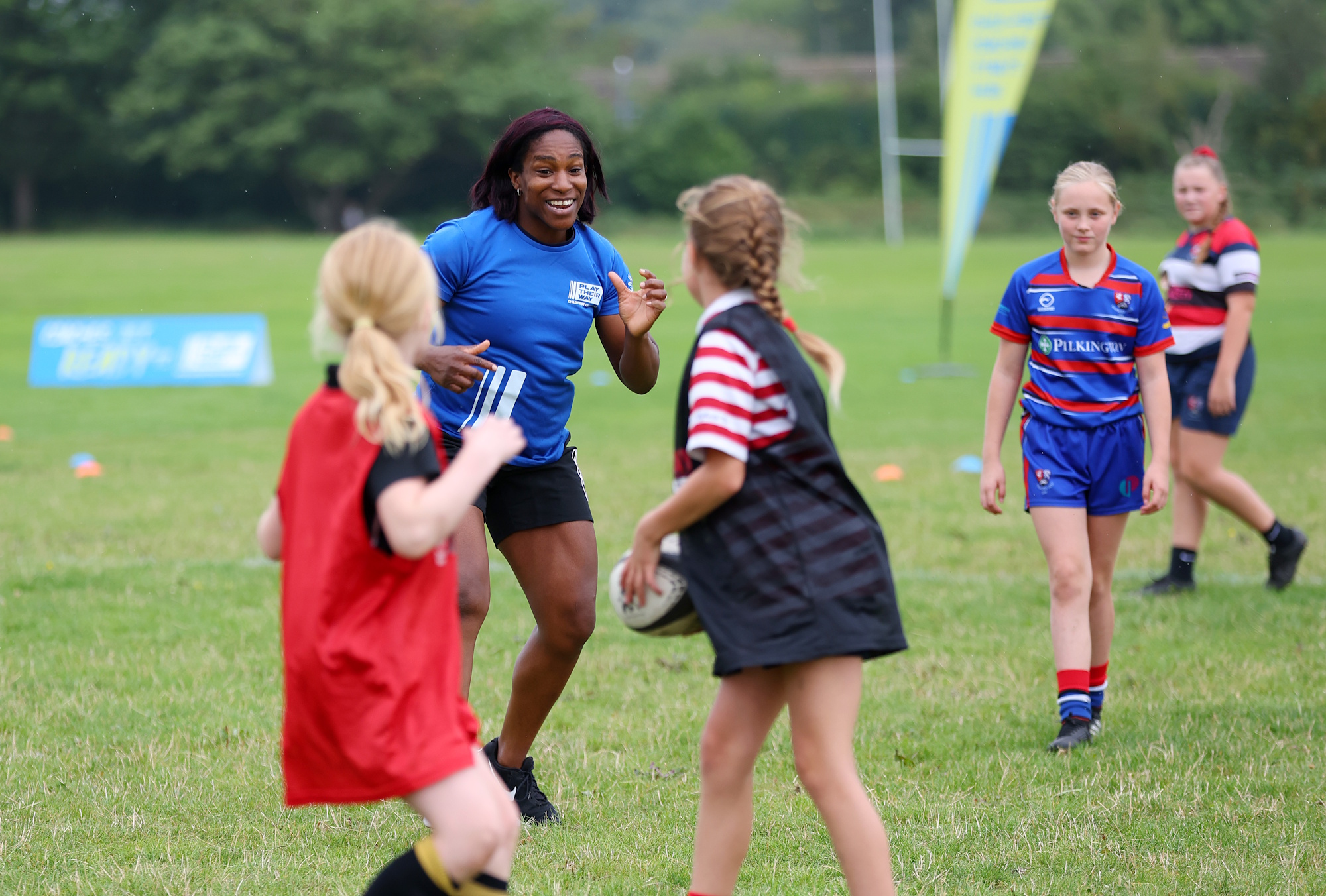
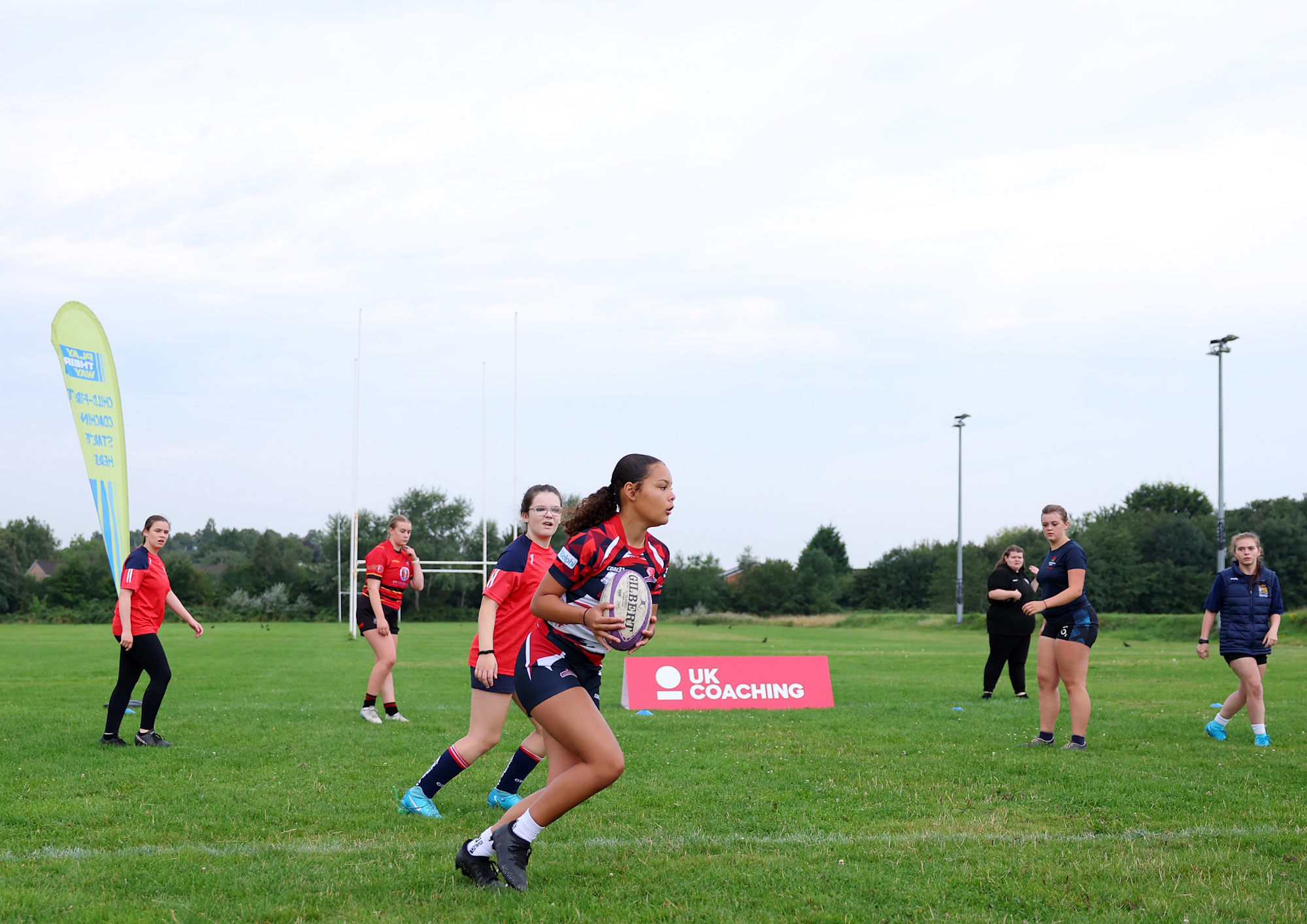
Alphonsi attended a special World Cup event focused on child-first coaching, organised by Play Their Way, and joined club coaches to deliver a fun and engaging session for girls from Broughton Park and other local rugby clubs, featuring more than 40 young players.
We caught up with her at one of the oldest rugby clubs in the country, to find out more about the legacy of the WRWC.
Championing Visibility and Building a Legacy
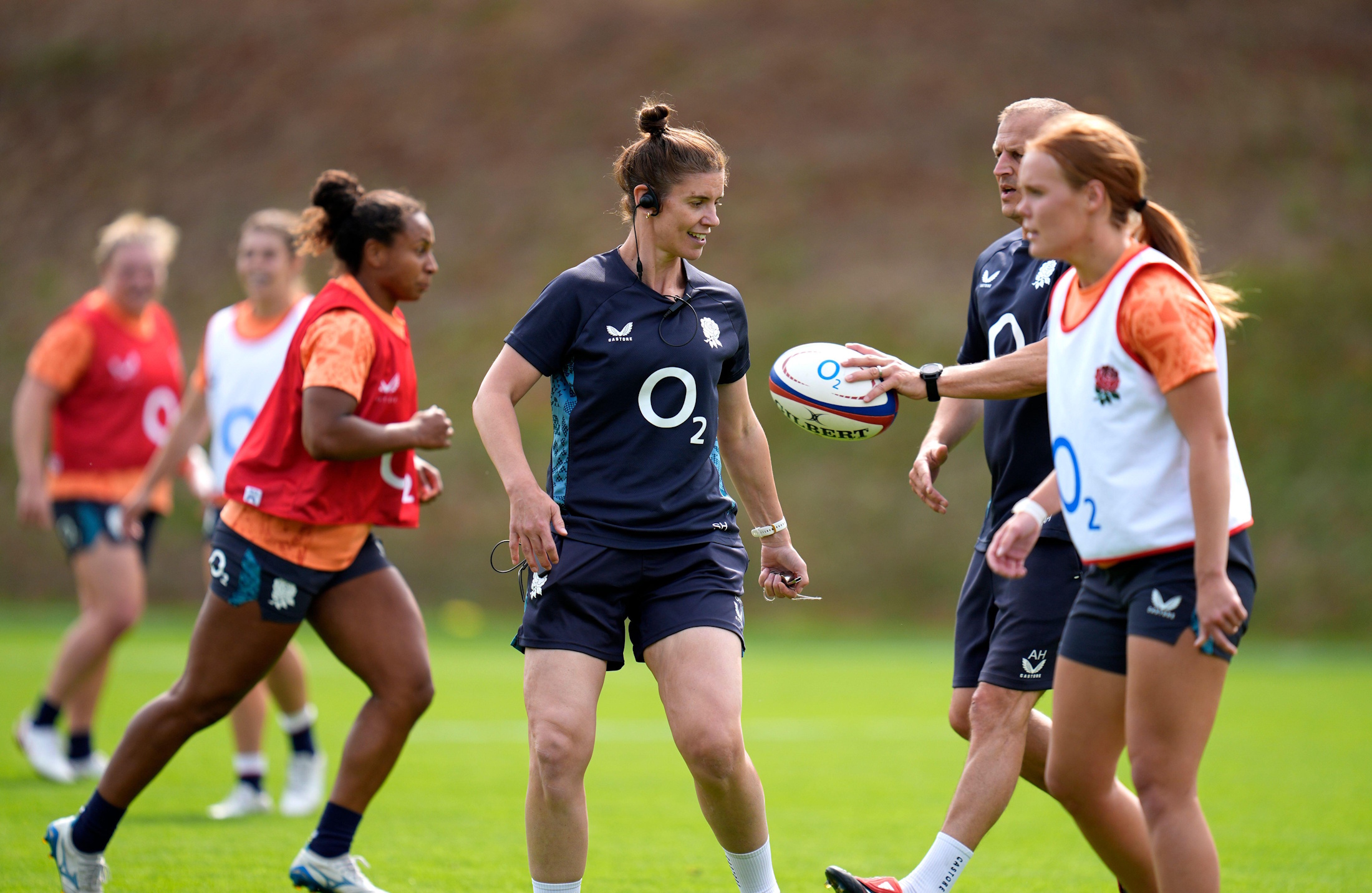
Sarah Hunter will be part of the Red Roses coaching team for the tournament and is a passionate advocate for the development of female coaches.
Hunter rose to the pinnacle of the game as a player, winning the World Cup in 2014 and going on to captain her country, before taking up coaching in 2023 following her retirement from the sport.
She believes the strong visibility of women on our TV screens throughout the tournament – including female commentators, physios, pundits, and match officials – will inspire young girls and women to pursue careers in rugby.
We have a real moment in time to change the landscape of the female game and create an incredible legacy.
“And that’s true whatever lens you view it from. You’re going to see more women at the venues and on your TV screens — knowledgeable, insightful, articulate, passionate coaches, players and pundits. So, when people tune in, they’ll see that there’s something in the sport for them.
“The Rugby World Cup has an opportunity to inspire the nation on many fronts: female players inspiring the next generation of players, female coaches inspiring the next generation of coaches, or fans being inspired to play the game, coach, be physios, doctors or advocates for women’s sport in the media.”
Add to that list mums being inspired by Hunter herself, who has shown that being a new mother is no barrier to coaching at the highest level of sport.
I have a nine-month old baby and I decided to take the decision to come back to work after six months. Not every mum will choose to do that – everyone’s journey is different – but I felt very strongly that I wanted to coach at a home World Cup. I may never have the opportunity again.
“Being a female in this role I was given a unique opportunity that I felt really honoured and privileged to have. I also thought it was really important to showcase that you can be a coach in elite sport and still be a mother at the same time. Hopefully, in the years to come, my little girl will look back and be proud of what I’ve done.”

‘If You Can’t See It, You Can’t Be It’
Hunter believes that increased visibility of female coaches at the WRWC – World Rugby have set a target for women to make up at least 40% of coaching roles at the tournament – will help to demonstrate that a career in coaching is achievable.
If you can’t see it, you can’t be it. This is so, so true. Not only do we need to inspire young women and girls to love the game as much as we do, we also need to grasp these vital opportunities to elevate coaching, from grassroots all the way through to the highest level.
“This tournament is on terrestrial TV, it’s on streaming, on social media. Now people can see it and they can aspire and dream: ‘I know it’s possible. It can be done’.
“There have been people who’ve done it before — people just didn’t necessarily know about them.”
‘Visibility is Huge for Women’s Sport’
Beyond inspiring players and fans, the visibility of female coaches at the WRWC plays a crucial role in challenging outdated perceptions and redefining what leadership in sport looks like.
By occupying high-profile coaching roles, women like Hunter and Red Roses attack coach Lou Meadows are not only shaping the game, they are reshaping public perception of who belongs in the coaching dugout.
“This is a real opportunity to showcase that when people see a coach in the coaching box or pitch-side, they’re seeing women too. I think it’s important to have that balance and that blend within the coaching make-up, to get the very best out of players.
This World Cup is going to spotlight coaching, alongside all the aspects we traditionally expect legacies to grow from. And that’s fantastic – it’s so important for people to see that there is a pathway, and there are opportunities for female coaches at the highest level. Visibility is huge – huge! – for women’s sport.”
Creating Space for Female Voices in Leadership
Hunter explains how increasing the number of female coaches can bring fresh perspectives, diversify coaching methods, and introduce new ways of thinking across the game.
“I’m a big believer in it’s the best person for the role, regardless of gender. But I also think women haven’t always been given the same opportunities as male coaches.
“Female coaches bring a different dynamic to the environment – both in how they connect with individual players and how they influence the overall squad dynamic. Both genders offer unique strengths and having that mix adds real value to a playing group.”
The recognition that female coaches can significantly enhance a group or programme is “more prominent than ever”, says Hunter, who emphasises the importance of having the right people in the room, with the right skillsets.
“We know from research that women think and see things differently than men and that female players interact differently with male and female coaches.
“When people in leadership are making key decisions, you need balanced conversations. You need to understand how the decisions will affect people. You can only have that by having a diverse make-up of leadership roles and responsibilities. Women need a seat at the table, and we need men on board as allies for equity and equality in sport.”
Reflecting on representation within England Rugby, Hunter adds: “I feel lucky that I work in an organisation where I definitely feel I am valued, have a voice and am listened to and supported in my role.”
More teams and organisations are recognising that they are stronger when they include diverse voices, but that is not the case across the board.
There’s still work to do to educate those in decision-making positions and encourage them to bring female coaches into leadership programmes — not as a tick-box exercise, but as a genuine investment.
It’s about making women feel visible, valued, and included. And when their full potential is recognised and utilised, the programmes they contribute to will be stronger for it.”
Celebrating the achievements of brilliant female coaches at events like the WRWC is an important catalyst in driving change. By shining a light on their success, we aim to inspire more women and girls to get into rugby – and rugby coaching – and help build a rugby union culture where everyone can truly thrive.
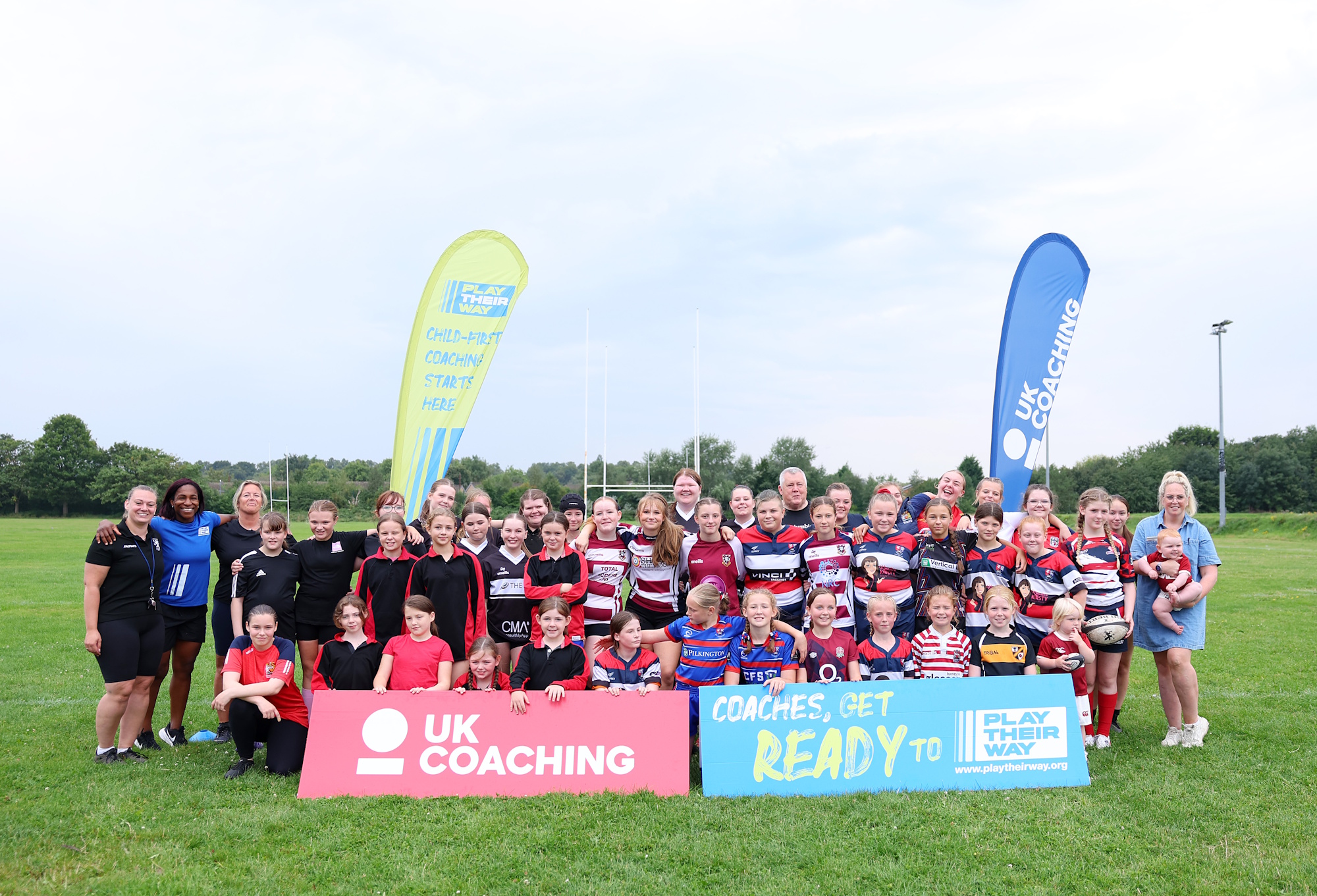
Hunter – England’s most capped player, male or female, with 141 appearances for the Red Roses – believes child-first coaching is key to sustaining the anticipated rise in girls’ participation following the WRWC.
“A home Rugby World Cup is a once-in-a-generation chance to introduce girls to rugby, but we must get that experience and environment right if we want them to develop a love for the sport – and a child-first approach is key to achieving and maximising this opportunity.
“If you’re not providing a fun, enjoyable environment for those girls, that could be the difference between them deciding not to carry on playing rugby or, worse still, not continuing with sport at all. By joining the Play Their Way movement, rugby coaches across the country can get the help and support they need to deliver child-first coaching in a way that really benefits the children and young people they work with.”
Even before the WRWC, signs of progress are already emerging. A study by the Women’s Sport Trust revealed that average audiences per game for the Women’s Premiership were up 86% on TNT Sports last season, while the Red Roses saw 75% more TikTok views than England’s men’s rugby union side between January and April 2025.
With the Red Roses among the favourites to lift the trophy, organisers are hoping the WRWC will deliver a legacy across both playing and coaching – mirroring the transformative impact of the Lionesses’ back-to-back European Championship titles.
The 2025 UEFA Women’s Euro final was a landmark moment in women’s sport, with both teams being led by female head coaches – Sarina Wiegman for England and Montse Tomé for Spain – setting a powerful example for aspiring female coaches across all sports.
The Women’s Euro 2022 tournament also captured the hearts and minds of the nation, inspiring a 140% increase in girls’ participation in the season following England’s win.
The so-called ‘Lionesses effect’ has seen the number of women and girls’ teams double in the past year. This positive trend is expected to continue following England’s successful defence of their title this summer.
The impact has been tracked by Football Beyond Borders, a social inclusion charity that uses football and education to transform the lives of young people. Their research shows that more girls are engaging with the sport than ever before, with 36% of surveyed girls aged 13-18 now attached to a football club – a significant increase from 2023, when 29% had never played the game.
The Rugby Football Union will be hoping the Red Roses can bloom just as brightly, sowing the seeds of another legacy, in the sport played with egg-shaped balls.
Mums Key to Tackling Decline in Female Volunteer Coaches
Video case study with Faversham Strike Force FC: UK Coaching has published new research which shows how mums could be the answer to stopping the sharp decline in the number of female volunteer coaches.
READ IT HERE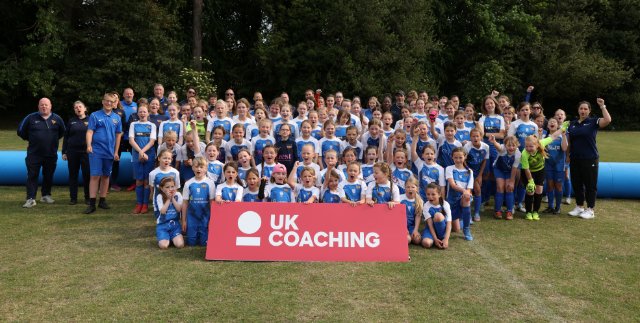
RFU Leading Charge for Gender Equality in Coaching
Through the voices of three female rugby coaches, we explore the efforts being made by the Rugby Football Union (RFU) to advance gender equality, highlighting the support mechanisms it has put in place to drive this agenda forward ahead of the 2025 Rugby World Cup, and beyond.
THIS WAY