
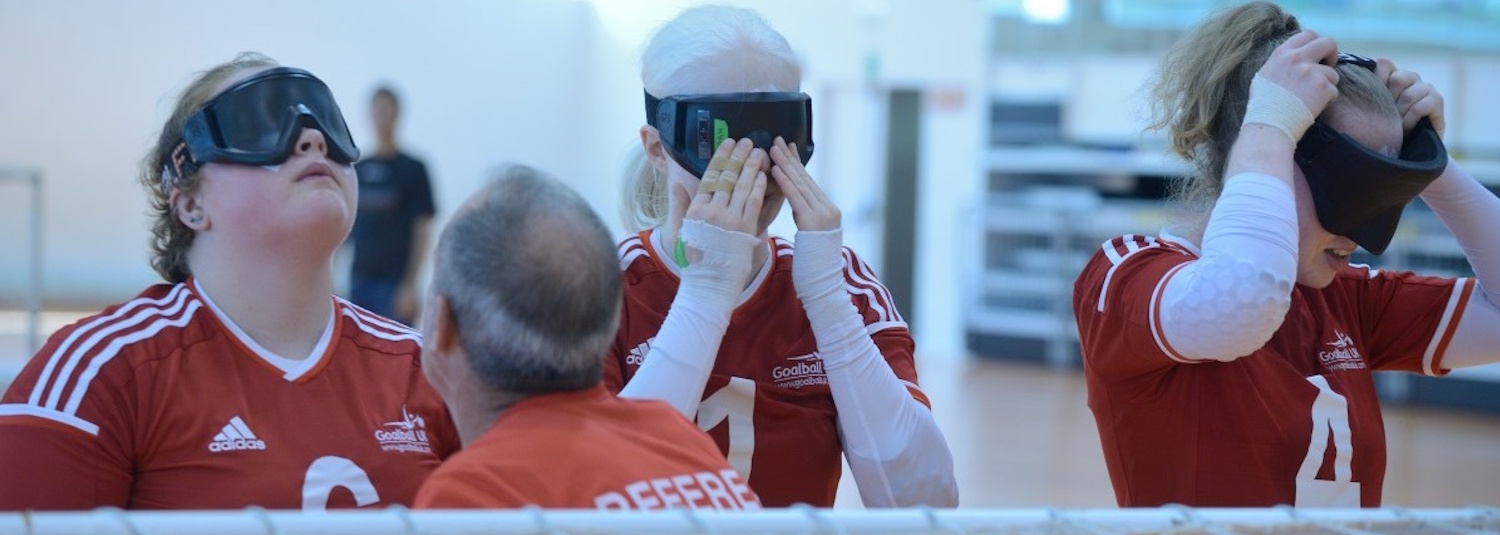
Inclusive Facilities: Supporting People With a Visual Impairment

If a venue is accessible, it can really boost a visually impaired person's self-confidence!
This video from the Thomas Pocklington Trust provides an overview of a series of videos and resources that have been designed to support those working within leisure, sports and physical activity environments to provide more inclusive facilities. The audio in this video is from two leisure centre staff members, Kelly and Lucy, and four visually impaired users of leisure facilities, Sidney, Scott, Rick and Simon.
Kelly: I feel that it's important that leisure centres are trained in supporting people who are visually impaired.
Lucy: Having good training means that they can make the customer feel inclusive and just feel comfortable when they're coming into the centre and not nervous.
Sidney: I think really if a venue is accessible, it really can boost a visually impaired person's self-confidence.
Scott: We can get so much more from the sports facility than just the physical reward, so it needs to be inclusive and accessible.
Rick: I mean, it is simple stuff. It's not complicated, but it does make a big difference. We've got open spaces and plenty of room. It's not cluttered, so you're not walking into things, colour coding around the building. That's really what most people with a visual impairment need.
Kelly: Prior to having the training that I have had now, a visually impaired person coming into the centre probably would have been a little bit nervous about asking how they wanted to be supported.
Lucy: It's definitely made me feel more confident with dealing with the situation, so as long as I'm showing that I'm confident and then asking the right questions, it will put the customer at ease and make them feel more confident.
Scott: The more kind of training that staff can have, it's definitely going to be better for the punters using the facility and it's going to be better for staff going forward.
Simon: It certainly would make me less stressful, I'd feel a lot more comfortable and I would have the confidence to go to that member of staff and ask them a question.
Kelly: Because fitness should be inclusive, we should be welcoming everybody, regardless of their ability.
Lucy: If we've got staff that are trained up, it's going to make the customer feel at ease straight away and confident and they'll feel secure and safe whilst using the facility.
Rick: It's quite simple things that we can do to make the world, the environment as a whole, accessible to visually impaired people.
Did you know that even small adjustments to facilities can make a huge difference in supporting people with a visual impairment to access opportunities and to be more active?
The Hub has been developed in partnership with Thomas Pocklington Trust, a national charity that supports blind and partially sighted people of all ages to live the life they want to lead.
Explore each area of the hub:
- What is a Visual Impairment?
- What Makes an Accessible Environment
- Guiding and Communicating
- The Benefits of an Accessible Environment
Each section is packed with guides, tips and videos, as well as further signposting.
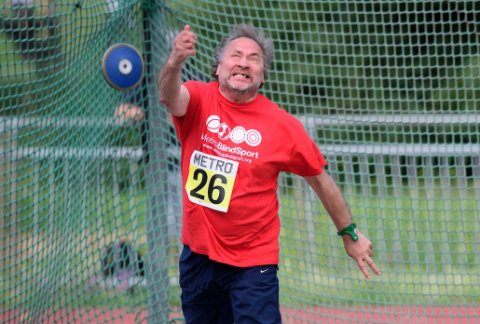
Section 1: What is a Visual Impairment?
GO TO THIS SECTION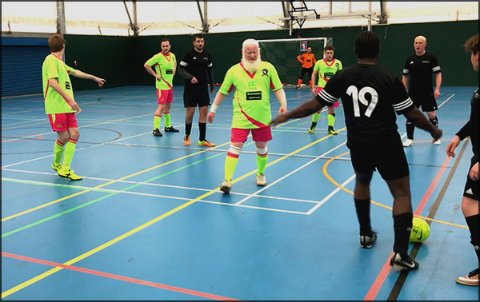
Section 2: What Makes an Accessible Environment
GO TO THIS SECTION
Section 3: Guiding and Communicating With a Visually Impaired Person
GO TO THIS SECTION
Section 4: The Benefits of an Accessible Facility for Visually Impaired People
GO TO THIS SECTIONDid you know that 93% of people who are registered blind or partially sighted can see something, according to the Royal National Institute of Blind People (RNIB)?
Further Information and Learning
Further Support
Useful links to further learning and support linked to visual impairment and inclusive facilities.
Thomas Pocklington Trust
Find out more about this incredible charity on their website.

Coaching Blind and Partially Sighted People (eLearning)
Gain the confidence to include blind and partially sighted people in your sessions and develop your understanding of the challenges and barriers they face when trying to take part in sport and physical activity.
LEARN MORE