Coaching Girls Through Puberty
 Article
 by UK Coaching
A Hot Topic guide to supporting female participants during adolescent development

Introduction to Understanding Puberty
Puberty brings significant physical, emotional and psychological changes that impact a female’s performance, motivation and relationship with sport and physical activity.
Free Membership
Become a member for free to start your coaching exploration
As a UK Coaching Club Member, you'll be able to dive into the essentials of each theme for free. This includes the insightful 9-theme 'Guides', engaging 'Coaching Conversations', and our 'Kickstarters' designed to get your coaching off to a flying start.
Join The ClubUnderstanding the developmental changes during an important stage of an individuals’ life cycle can make the difference between an enjoyable and thriving experience and dropping out of sport and physical activity altogether.
Adapting sessions and your approach creates a supportive environment that meets the needs of female participants during this critical development stage. This guide provides research informed and insight driven strategies and approaches in a helpful and practical way that you can use in your next session.
Introduction
This video is part of the ‘Coaching Girls through Puberty’ Guide.
Matt Craythorne and Esther Goldsmith, Sport Wales introduce the guide.
Matt: Welcome to the Sport Wales National Centre in Cardiff. Together with UK Coaching and the Sport Wales team, we've put together a female puberty guide to help you better support females during this important stage of their life.
Esther: Typically, females experience puberty a little bit earlier than males and it can feel quite an uncomfortable time for females compared to males. So female puberty is characterised by an increase in the hormones, progesterone and oestrogen, and that's linked with the menstrual cycle. But these hormones can cause kind of an array of emotion and physical changes that can leave females feeling like they're kind of in a different body and that they are kind of maybe plateauing in their kind of sports performance, which is contrasting to the male experience of puberty which is characterised by an increase in testosterone. And that can often lead those males to be kind of faster, stronger, fitter, which again, as we said, is contrasting to that female experience where females might feel a little bit slower or kind of more lethargic or fatigued.
And so, it's really important to kind of treat the female experience differently to that male experience of puberty and to understand the differences between the two, particularly if you work in a sport that typically prepubescent individuals or participants train together, so where you've got mixed sports as opposed to sex-specific sports. Also, you've got to realise that there's less research done in females and therefore we're still understanding what those consequences of being a female are and what the nuances to that should be.
Did you know that females are more likely to drop out of sport and exercise during puberty? And so, your role as a coach is kind of monumental in making their experience positive so that they stay in sports which will benefit them in the future and in the long term.
To summarise, females will start going through puberty between age 10 and 11, although this can be as early as 7 years old. Periods typically start aged 12 in the UK, but again this can be as early as 8 and it's usually two years after breast tissue development starts. If someone hasn't gone through puberty and hasn't started their periods before the age of 16, then external advice should be sought. And typically, periods will be a little bit irregular for the first two years after starting.
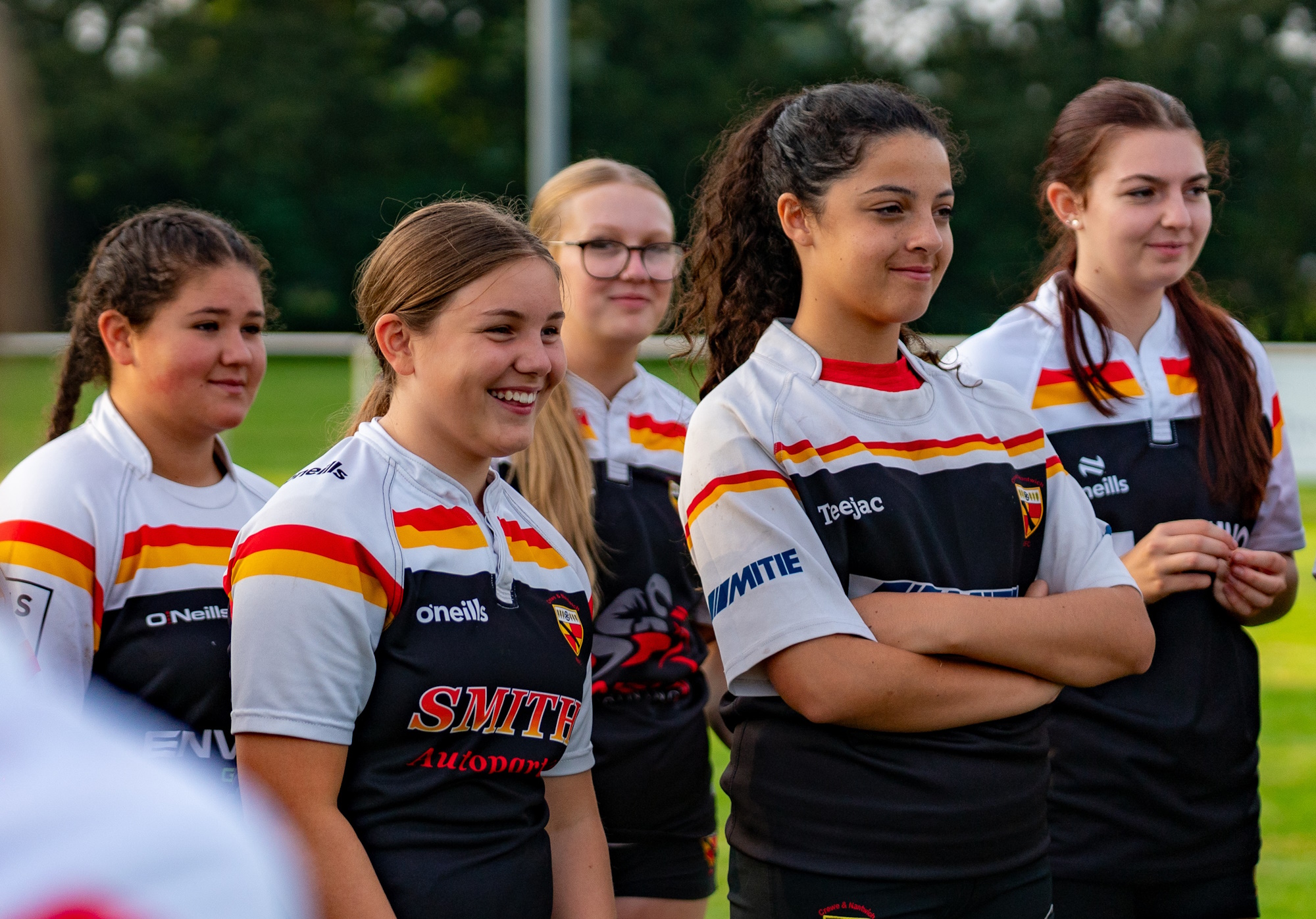
Matt: A lot of women and young girls want a warm and inviting environment to be fun and engaging, so depending on how that young person is coming into your session, be open to adapt depending on how they're feeling, how their day has gone. A lot of the time a good judgement of how people want to come into your space is are there smiles on faces? It's the first thing that they're doing, fun, enjoyable, maybe centred around that social group that you've got.
The other side of things is with those physical changes; they can become less confident in their body and how their body moves and so, you have an integral role in building that confidence and that competence in their body again. So doing those little snippets of maybe in the warm-up or throughout the session, a little bit of resistance type training, which can be body weight, it can be sprinting, it can be changing direction, crawling, pushing, pulling, getting really creative to help those young people feel more in touch with their body, what it can do, and help them to navigate this period of time where there's a lot of change happening.
A Coach’s Perspective on Drop-Out in Sport
This video is part of the coaching girls through puberty series.
Graham Wardell, High Performance Swimming Coach discussed his views and experiences on girls dropping out of sport and physical activity.
My name is Graham Wardell. I'm the lead performance coach and director of swimming at the City of Cardiff Swimming Club. It's a position I've held for about 10 years now, part of my 42 yearlong coaching career. So, I've been a coach for a long time.
Back in 2014 I was the head coach for the Scottish Commonwealth Games team. Obviously, it was in Glasgow, it was the pool I coached in. It was a fantastic achievement.
In the year up to that we've done a little review around swimming in Scotland. We worked out that between two thirds to three quarters of the membership at the entry level were female and only a third to a quarter were male. Then we looked at the senior national team and it was completely reversed. It was three quarters male and only a quarter to a third female.
I was like, so we get three times as many girls in, we do such a poor job with them, we lose most of them. But we keep some of the boys, why is that? And obviously puberty comes with a massive factor in that.
There's been better studies than I could possibly mention done around the whys and wherefores of that. We have to do a better job with our female athletes.
Framing Your Approach
Framing Your Approach
This video is part of the Coaching Girls through Puberty guide and introduces how coaches should frame their approach to maximise their experiences for girls.
Coaching girls through puberty requires careful consideration of biological, psychological and social factors to ensure they have a positive and supportive experience in sport. These elements are interconnected and should not be viewed in isolation. Taking a holistic approach that acknowledges their interplay will lead to a more thoughtful, effective and person-centred coaching practice.
When we are thinking about the biological changes, females will experience increases in height and in fat mass, leading to increases in weight and changes in body shape. Hormonal changes are some of the drivers of puberty and fluctuations in estrogen and progesterone and the start of a menstrual cycle can influence both physiological and psychological processes. It's important to emphasize that this is a positive process.
It's important for bone and heart health and will benefit strength, flexibility and fitness in the long run. When talking about the psychological considerations around puberty, we have to remember that the brain is developing throughout adolescence. The brain, especially the part that handles decision-making, impulses and planning, keeps developing into the mid-late twenties, so even older teens might still be learning how to manage emotions, focus and make good decisions.
One of the biggest social aspects to an adolescent's development are their friendships and peers, which may come with increases in strain, pressures and emotional turmoil. This can also be apparent in sports, with the formation of different cliques or friendship groups. School pressures are significant for lots of young people, particularly around exam times and deadlines. We know that exposure to social media is only increasing, as is its influence on young people's behaviours and beliefs.
Lastly, sport and the social norms around sport have historically better supported males during puberty and sport can feel inaccessible to females because of this.
Let's look at how psychological and biological changes might interact. As participants' bodies start to change, it's very common for young females to feel more anxious, embarrassed or self-conscious. These feelings can come on suddenly and be overwhelming. Physically, changes during puberty can temporarily affect things like balance and coordination. Participants might feel clumsy or think they've lost flexibility or control. This can be frustrating, and it may have a real impact on their confidence and overall mood. So, what can we do to support them?
First, acknowledge what they're going through. Be empathetic and validate their emotions. Don't brush them off. Focus on the parts of training that they enjoy. Help them stay connected to the positive aspects of sport and movement. And finally, put extra emphasis on activities that build balance, coordination and technical skills. These areas can help them feel more capable and in control again. School and life demands can make it difficult for young people to meet basic biological needs, such as getting enough sleep, eating well, staying hydrated and having time to rest. As their bodies change during puberty, they may also need different sports kit, like a well-fitting sports bra or access to period products. But unfortunately, these aren't always available, talked about or prioritised.
Then there's the influence of social media, which can often promote unrealistic body ideals. And this can lead some young individuals to try to change their body composition, even while they're still developing. This can have long-term effect on both physical and mental health. So, what can you do to help?
Make a habit of checking in on fuelling, hydration and stress. Encourage a positive relationship with food and body image. Think practically about the kit they need. What can be done to support a developing female body? Do conversations need to happen with parents, for example, about the importance of wearing a supportive sports bra? And finally, never make comments about a young person's appearance, including their body composition. It is unhelpful and can be harmful.
During adolescence, social and psychological pressures become especially influential, particularly for girls. At this stage, they're more likely to compare themselves to others. Whether it's friends, teammates or people they see online, these comparisons can shape how they feel about themselves and how they behave.
Their social environment, what's said, what's valued and what's rewarded, can have a powerful impact. So how can we support them? Always take a person-centred approach. Every girl has experienced this stage differently, so listen, be curious and recognise their individual journey. Also, where possible, introduce positive bra models, people who represent healthy, empowering behaviours both in sport and in life.
Some key takeaways are: Acknowledge and be empathetic of their experience and their emotions, as everyone experiences sport and life. Try to focus on areas of training that they enjoy and the positive process that supports this. Focus on balance, coordination, movement skills and technical skills to build confidence in their changing body. At the beginning of sessions, check in on things like fuelling and hydration to make sure that everyone is prepared for their training session. Consider kit and clothing that is required to help participants feel comfortable. Don't make comments about someone's appearance, including body composition, whether this is positive or negative. Be person-centred, recognise individual experiences and wants and needs from sport. And if possible, try to use positive bra models to help encourage certain behaviours that you want to see.
Biological Factors
Menstrual Health
The menstrual cycle occurs due to changes in sex hormones in the body. These sex hormones are chemical messengers that interact between the brain and the ovaries. There are 4 hormones involved in the control of the menstrual cycle; two are released from the brain (Lutenising Hormone or LH, and Follicle stimulating hormone or FSH) and these cause oestrogen and progesterone to be released by the ovaries.
The fluctuations in oestrogen and progesterone cause the release of an egg and build-up of the uterus lining in preparation to receive a fertilised egg. If the egg is not fertilised, levels of both hormones decrease and cause the lining of the uterus to break down causing menses (a period). This process repeats on average every 28 days (a range of 21-35 days is normal) with day 1 of the cycle being the first day of bleeding. Periods begin for girls between the age of 8 and 15; most commonly at the age of 12.
Menstruation
This video is part of the coaching girls through puberty series.
Esther Goldsmith, Physiologist, Sport Wales explains the menstrual cycle and symptoms that impact girl participants.
Esther: So, it's really important to understand that menstrual cycles are crucial for an individual and can impact positively on a participant. They'll likely experience increases in flexibility, strength and cardiovascular fitness as a result of them starting to menstruate.
Menstrual cycles are also really important for bone mineral density and bone health and to reduce injury risk. However, some participants will experience symptoms associated with their menstrual cycle. So, opening up that conversation with them about their experiences of their cycles is really important.
Some will feel positive symptoms such as increased strength and motivation at some times of their menstrual cycle. But the large majority of participants will experience negative effects of the menstrual cycle, whether that be kind of cramps, lower back pain, changes in mood or anxiety. So again, allowing that open environment for them to come and talk to you about those kind of things that might impact their ability to train or perform in a session is really important.
You might also want to connect in with parents because they might also notice how their child has experienced their menstrual cycle. So as a coach, you can encourage your participants to train through some of those symptoms to still participate even if they have to adapt certain exercises or they need to change the training session a little bit, still encourage them to participate so they feel comfortable and confident.
Talk to them about their experiences and what they can do to help themselves and be positive around the language that you're using. It's really great that they're having a regular menstrual cycle and they're talking to you about it. So, encourage that positive conversation.

Biological Response
Understanding the Menstrual Cycle: The Biological Response
The Welsh Institute of Performance Science’s Natalie Brown explains each stage of the menstrual cycle and biological responses, offering key insight to help you consider the potential impact on participation in sport and physical activity.
The menstrual cycle is not frequently discussed within coaching, but it's really, really important to consider when supporting female participants and athletes. So, within the natural cycle, this is referring to those individuals not taking any form of hormonal contraceptives. So the mental cycle is controlled by two hormones released from the brain, specifically the pituitary gland, and those hormones are called follicle-stimulating hormone and luteinizing hormone.
These hormones interact with the female reproductive system and cause fluctuations in oestrogen and progesterone. So, the fluctuations in oestrogen and progesterone, which on this graph are oestrogens in yellow and progesterone is the green line, and they're associated with four different phases.
So typically, a textbook menstrual cycle is 28 days and the normal range is 21 to 35 days and day one is characterised by the period. So, day one of your cycle is the first day of bleeding, and then there's also ovulation which is approximately midway through the cycle and splits the follicular and the luteal phase.
So, looking at the hormone levels of oestrogen and progesterone within each phase. To start off with, we've got the early follicular phase, which is when the period occurs and within this phase, oestrogen and progesterone levels are both at their lowest. So, both hormones are at the lowest they will be throughout the cycle. If we then go on to look at the late follicular phase, so this is just before ovulation and this is actually when oestrogen peaks. So that's the line in yellow, but the line in green which is progesterone still remains low.
After ovulation, we then go into the mid luteal phase and it's during the mid luteal phase there is a second peak in oestrogen and also progesterone levels increase and are the highest.
Then, within the late luteal, to your phase or the premenstrual phase, if an egg has been released from the ovaries and has not been fertilised, so therefore pregnancy has not occurred. Both progesterone and oestrogen levels dropped quite dramatically, and that's when we then go back to day one of the cycle, which is the period, and that's a result of the decrease in progesterone and oestrogen levels as they drop, causes the uterus lining to shed and that is what causes the period. So once those hormones drop in, a period starts this pattern, or cycle returns to day one and the process is repeated.
Having a Conversation About the Menstrual Cycle
Symptoms, Training and Performance
The Openness of Conversations about the Menstrual Cycle
Starting a conversation with a female athlete about the menstrual cycle can sometimes be uncomfortable. This video provides you with some advice to help you start your conversation.
The openness of conversation. So, the menstrual cycle can sometimes feel awkward or may be uncomfortable to bring up in conversation and also, female participants may feel not at ease with perceptions of secrecy and embarrassment related to the mental cycle. Yet we know it's a topic. It's not openly talked about yet.
The mental cycle, it is a normal biological process which can influence physical and psychological symptoms, which can impact participation and performance. So, it's really important to create an open and a supportive environment to help with this process, but there's potentially four Key areas to concentrate on in relation to starting the conversation. So, that's clarity of message, evidence, listen and support.
If we look at each step in more detail, first of all, clarity of message. So have something specific about the mental cycle that you want to share. So, an observation for example and with changes during training. One example could be you can say, I've noticed you've had stomach cramps over the last couple of months. Is this related to your menstrual cycle? Or you might focus on talking about tracking the menstrual cycle in terms of the length of cycle and symptoms that are experienced. With the aim of asking if they track their menstrual cycle already.
Next up, share evidence. So, share facts and knowledge, for example, from that previous example with abdominal cramps, you are aware it's common for females to experience abdominal cramps, just before or for the first couple of days of their menstrual cycle. It's then, and again this might sound really obvious, important to listen to the participant to their experience, everyone is individual and will have a unique experience of their menstrual cycle.
Remember, this might be difficult for some females to talk, they might feel uncomfortable. So, to start with, you might actually only share that message and evidence and actually not have much conversation back from the female you're talking to. But it's really important to continue to try and engage with that conversation. If the female does respond, again this might sound so obvious, but make sure you're attentive, not distracted, and avoid showing any awkwardness or discomfort. So actually, referring to ‘understanding of the menstrual cycle’ and also ‘the menstrual cycle 101’ [resources], that might really help with your confidence and knowledge and awareness in order to be able to feel less awkward and comfortable to engage with that conversation.
And then finally support. So, what next? Are there any actions and share those actions with the participant so they can see the benefit of having that conversation and also feel supported following that conversation. So, for example, in relation to the first example I gave around abdominal cramps. Might look at adjustments to training, whether that's the volume, the load, the intensity, or what type of training is being completed. So, you can also maybe share further evidence at that point that actually you're aware that you may need to address training if you're in pain, but actually light exercise can reduce abdominal cramps. So, we'll just adjust training. You still complete it [the session], but we maybe have a different intensity or type of exercise that's completed.
So, it's really important to provide opportunities for coaches, athletes and parents [also carers] to talk about the menstrual cycle to increase the importance and awareness placed on the mental cycling relation to training and performance. But also that really helps to create a supportive environment for a female participant to be able to succeed.
The Menstrual Cycle: Symptoms, Training and Performance
The Welsh Institute of Performance Science's Natalie Brown introduces the impact that the menstrual cycle can have on training and performance.
The menstrual cycle can cause various different symptoms, which can impact training and performance. So, the menstrual cycle is a repeating pattern of fluctuating hormones, specifically oestrogen, which is the yellow line, and progesterone which is the green line.
These hormones increase and decrease across the menstrual cycle and can be split or divided into four different phases. This refers to a natural cycle and not with those individuals taking hormonal contraceptives. So, if we look at each phase individually, first of all is the early follicular phase, which starts with day one of the menstrual cycle, which is also day one of the period. Both oestrogen and progesterone are at their lowest.
Next is the late follicular phase. There's a peak in oestrogen during this phase before moving into the mid luteal phase, post ovulation, where oestrogen has a second peak and also progesterone peaks. The last phase is then the late luteal phase, or the premenstrual phase, where there's a large decline in both oestrogen and progesterone in the absence of fertilisation or pregnancy
These hormones, and changes in these hormones, can cause various symptoms, both physical and psychological. Abdominal pain is the most commonly reported symptom, but also things like bloating, low energy levels, low motivation and irritability are really common. It's also really common to experience GI or gastrointestinal disturbances, and those changes are linked with bloating, along with other symptoms such as breast pain, increased susceptibility to illness and also headaches, which can all occur within the late luteal premenstrual phase.
If we look at the symptoms associated with each phase, starting off with the early follicular clear phase, most of these symptoms are associated with the period. So, the physical symptom of bleeding can cause a lot of distraction and also worry. So, the worry and anxiety of leaking and blood showing through can have an impact on training and competition.
If we then look at the late follicular phase, this is actually a phase where some really positive symptoms are experienced. So, increasing confidence, high energy levels, feeling really motivated to train. Having improved perception of recovery, so being able to do more in training. High intensity exercise feels good, able to hit those more maximal sessions; and also better visual spatial awareness.
This is also a great time to receive constructive feedback, have conversations and start learning a new skill. It might also be a really good time to have your first conversation about the menstrual cycle.
If we then move into the mid luteal phase where we have a peak in both progesterone and oestrogen. It's really common to have gastrointestinal symptoms, so changes in bowel habit and bloating. It's really common for participants to experience impaired coordination or feeling more clumsy. Definitely likely to feel less confident, potentially taking fewer risks, so maybe isn't a time to try something new.
Individuals might also have altered appetites, different food, cravings, and also the increase in body temperature associated with post ovulation can cause can affect the thermal perception during exercise and potentially it might feel harder to perform some different sessions.
Really also to note, we mentioned within the late follicular phase the high intensity sessions. Within the mid luteal phase it's actually a time where individuals feel they might be able to do endurance sessions, so low intensity, but be able to continue for much longer.
We then have the late loop to your premenstrual phase, so normally associated with the premenstrual symptoms. These can include reduced motivation and headaches, fatigue. It's also a time where there's increased susceptibility to illness. breast swelling and pain might be experienced, and also more severe premenstrual symptoms may be the result of poor sleep, diet habits and also external stress. So, if an individual is feeling especially stressed. That can actually magnify some of those premenstrual symptoms. But all of these symptoms that might be perceived as being negative for training and performance, they are all manageable.
So, to start with, help the participant to track their menstrual cycle and to increase their self-awareness to identify what symptoms they experience as a result of their menstrual cycle. And then that can help them, and also you, be more proactive to help plan and manage those symptoms.

How confident are you to have a conversation with a female participant about their periods? How can you improve your confidence? Who is the coach in your network that can help you and your participants?
Ten seconds of awkwardness
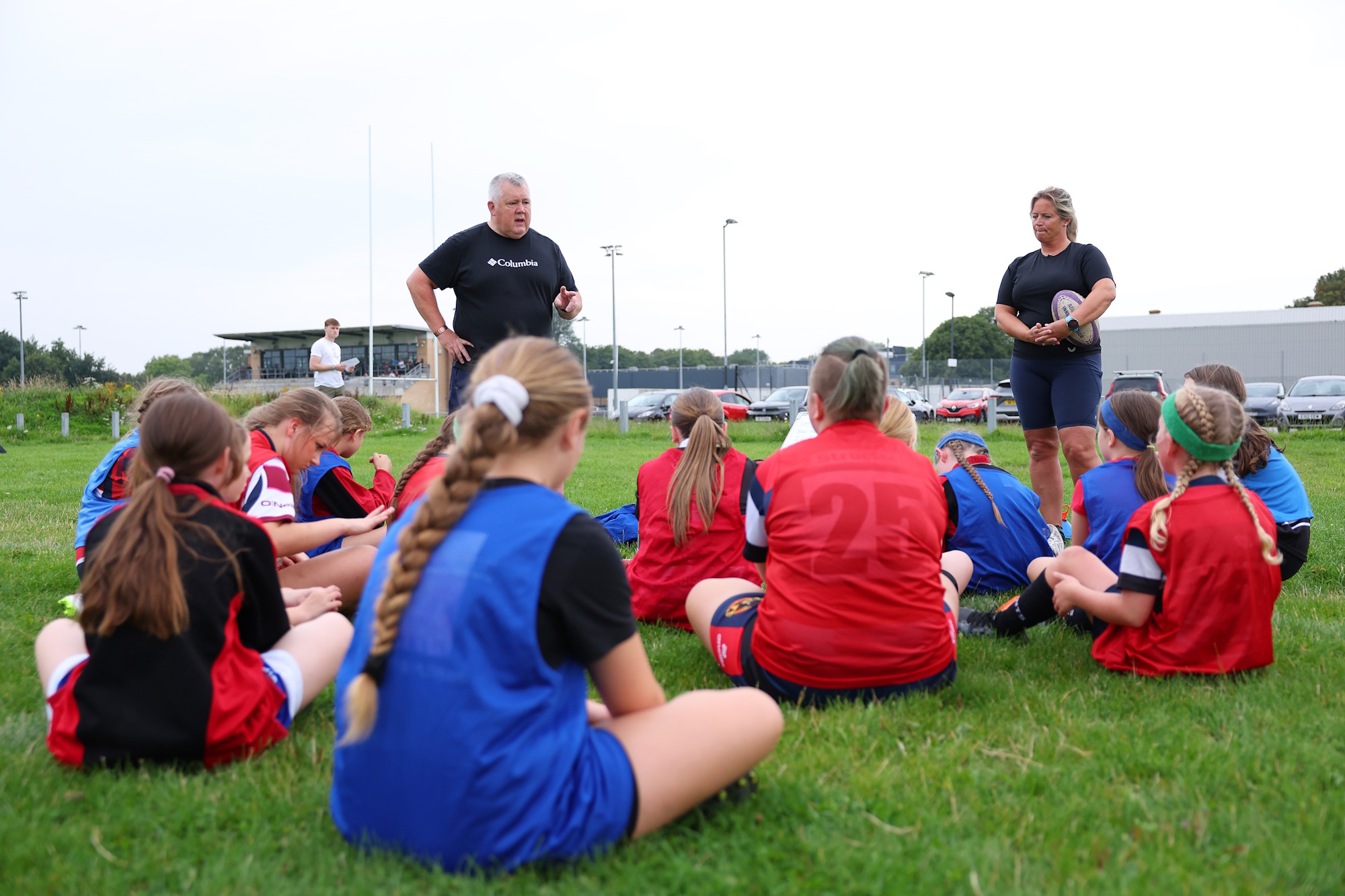
"Okay, girls this the new period bag. It has tampons, pads and bags inside, it will always be here at training and competition. You don’t need to ask me, just help yourself if you need anything."
Whilst that 10 seconds of standing in front of a group of girls may be embarrassing, it breaks down a barrier and in that short moment, it reinforces to the participants that you really care about them, that you want them to attend the sessions and that they are always welcome.
In that short space of time there is a connection and whilst uncomfortable your participants will appreciate the effort you are going to. In the car journey home or a catch-up with parents and carers at home its likely to be a discussion, ‘you never guess what coach did…’.
That conversation highlights to the participants’ support network that you are considering them as individuals, that you are normalising periods and the menstrual cycle and importantly it brings the conversation of participation and periods into their home environment.
That 10 seconds could be the difference between a participant coming to training and a participant avoiding training during their period.
They are more likely to feel able to speak to you about their periods or the symptoms they are feeling. A moment of vulnerability and being uncomfortable could make a world of difference.
UK Coaching: Period Supportive Club
FabLittleBag
Want to go further and promote this across your organisation? Why not sign up to the FabLittleBag movement. As a club you are able to access resources, buy products and download posters as a ‘Period Supportive Club’.

Whether you order a FabLittleBag or make up your own and add it to the training bag, first aid kit or team kit bag, make sure the bag is accessible at practice and competition and talk to your participants about the bag.
Breast Health
Did you know:
- During sport and physical activity, breasts are exposed to external forces and multiple planes of motion
- During running, a breast moves in a figure-of-eight pattern
- The average bounce is 8cm without support
- The movement can be as great as 19cm
- May accelerate faster than a Formula 1 Car!
- 50% of the female population have reported breast pain and this is a significant barrier to participation.
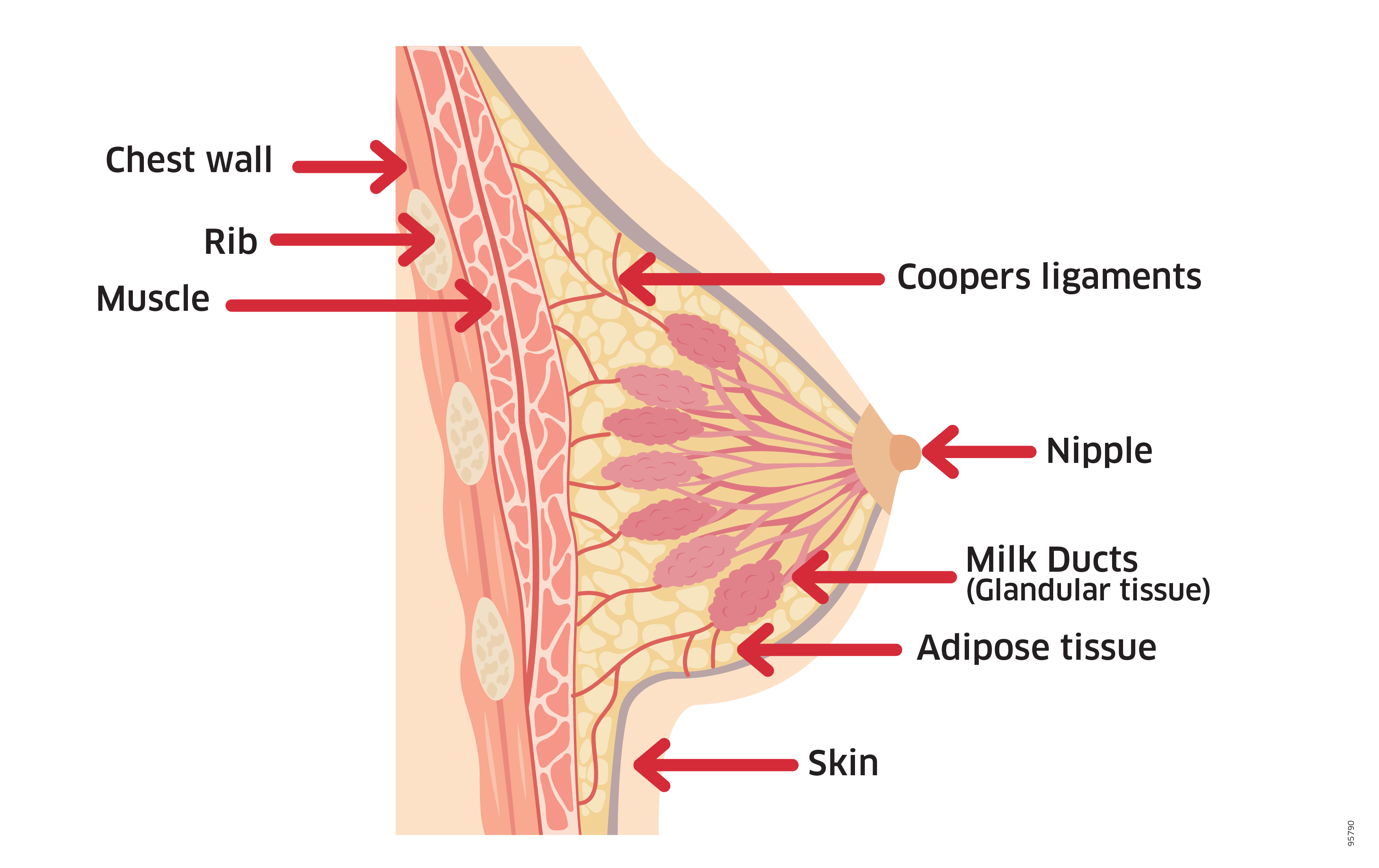
What is a breast?
Breasts are made up of glands, connective tissue, fat and milk ducts. The pectoral muscle sits behind the breast and provides no support. The skin and Cooper’s ligaments (not really ligaments, they are fibrous bands of connective tissue) are the only support to shape and hold the breast in place. Without additional support they will begin to sag and droop, known medically as Ptosis. A properly fitted sports bra has the benefits of reduced back and shoulder pain, improve posture, greater comfort and confidence during exercise.
Breast Movement and Impact
Breast movement influences the way females move, reducing stride length, affecting breathing, and can cause discomfort and pain from direct contact during sport or continuous movement. 25% of women and girls state that they have been embarrassed by their breast movement, resulting in reductions in performance and potentially impacting participation. Just think of all the participants who are more focused on covering or supporting their breasts rather than catching a ball, moving into space or thinking about their tactics.
If your stride length is reduced by 4cm because of breast movement, this is the equivalent of losing a mile while running a marathon!
Contact with a breast can be direct and indirect; it can be with another participant, an opponent during competition, on the ground (think burpees) which all lead to a compression of the tissue and may result is tenderness, swelling, bruising, pain and scar tissue or lumps.
The good news is that with breast education and bra knowledge the pain, damage and affected performance can be reduced or removed with a good fitting bra choice.
Did you know that a sports bra can improve sports performance by 7%. Enhancing comfort, reducing breast movement and pain improves posture, biomechanics which improve running and movement performance.
If the breast tissue and structures inside the breast are stretched, that’s permanent, it’s about prevention rather than cure.”
Dr Joanna Wakefield-Scurr. Aka the Bra Professor
Benefits of a properly fitted sports bra
Prevention is better than cure
Benefits of wearing a sports bra:
- Reduces the risk of injury to breast tissue injury through improved support
- Supporting breasts reduces injury risk across the body as the body does not need to manage or adapt to the additional movement and load.
- Improves sporting performance.
- Makes breathing easier.
- Removes the need to brace and prevent breast movement.
- Reduces energy output and effort, making exercise easier.
- A more comfortable sporting and physical activity experience.
- Increases confidence when participating in sport or physical activity.
50% of girls state that they have never worn a sports bra and it is estimated that 80% of those that do are wearing the wrong size.
Types of Sports Bra
| FEATURES | ADVANTAGES | CHALLANGES | |
|---|---|---|---|
| Compression | Crop top style fits over the head and compresses breast tissue against chest wall. Suitable for smaller to medium-size breasted participants. | Perfect for low-impact activities such as walking and yoga. | The stretchy material required to fit over the head and shoulders reduces the capability to reduce movement. |
| Encapsulation | Has separate moulded cups to provide each breast with individual support. The middle sits flat against chest wall. Beneficial for larger-size breasted participants. | Perfect for high-impact activities providing greater support and reduced movement in all directions. | The firmer and rigid material can be less comfortable than compression bras. |
Combination or Hybrid | Combines the features of compression and encapsulation bras. Supports the breasts separately whilst also compresses them against the chest wall. | Most provide good support for high impact movements including running and contact sports, but ensuring the sports bra fits correctly is essential to its success. | May be less comfortable for individuals with larger breasts, who may prefer an encapsulation style. |
Top tips when buying a sports bra:
- Have a bra fitting, in person or online.
- Forget the brand and get the fit.
- Look for a sports bra with an adjustable under band.
- A racer back allows for a full range of shoulder motion, but ultimately comes down to personal preference.
- Adjustable straps to fit you.
Participant Support Network
‘It takes a Village‘
Educate your participants’ support network. Parents and carers have an important role to play in the purchase and fitting of a sports bra. From making the experience a positive one, to discussing what will happen during the fitting, through to encouraging them to take their sports bra to their PE lessons. This all helps young girls understand the importance of breast support and promotes a sense of value and belonging when they are participating in sport and lifelong physical activity.
Breast Aware
All participants should be breast aware to look after their breasts and spot and signs of health problems
- Know how their breasts normally look and feel.
- Regularly check and feel for changes.
- Follow up with family or their GP (Doctor) if they notice any change or differences.
It’s important that participants are aware that a lump doesn’t necessarily mean breast cancer. It may be a lump or scar tissue from a contact during sport or physical activity or a normal growth or development. However, it’s definitely better to get it checked to be on the safer side.
Breasts come in all shapes and sizes and it’s common that an individual’s breasts differ in shape and size left to right. Depending on where a participant is during their menstrual cycle breast size may change, as well as a result of changes in weight and at key life stages including pregnancy and menopause.
Clothing Considerations
Consider the kit that you are asking female participants to wear, particularly as they may be feeling more self-conscious about their body and care more about how their kit looks, fits and feels. Think about each of these elements, and if you’re not sure about making a change, you can always ask your participants what their thoughts and experiences are.
1. Comfort. Do your participants feel comfortable in what they are wearing? Are there enough different sizes to accommodate all body types? For example, some swimsuits aren’t supportive of developing breasts and can cause participants to feel more self-conscious.
2. Layers. In sports where minimal clothing is normal like swimming or gymnastics, can you allow participants to wear other layers where appropriate so that they aren’t worried about leaking?
Such as swimmers wearing shorts when they get out of the pool, having a towel on the deck side so that they can cover up immediately or allowing gymnasts to wear shorts and a vest over their leotard.
3. Colour. Are you asking participants to wear white? Many might enjoy wearing white but often worry about leaking blood when they’re on their period. Remember the focus is to enjoy the session and not worry about what they are wearing. Can you provide different options? Do they need to wear white? For example, could they wear dark coloured shorts under tennis whites.
4. Fit. Lots of kit and clothing isn’t necessarily designed for female bodies and may not fit breasts or hips. Can you provide kit that is made specifically for females? Have you spoken to your kit provider about their range of clothing? Simple things such as a tee shirt designed and fitted for women can make a massive difference.
5. Sports bras. Sports bras are an important piece of kit as they can affect wellbeing and performance. Can you add it to kit lists and send some information out so that participants know how to get a sports bra that fits properly?

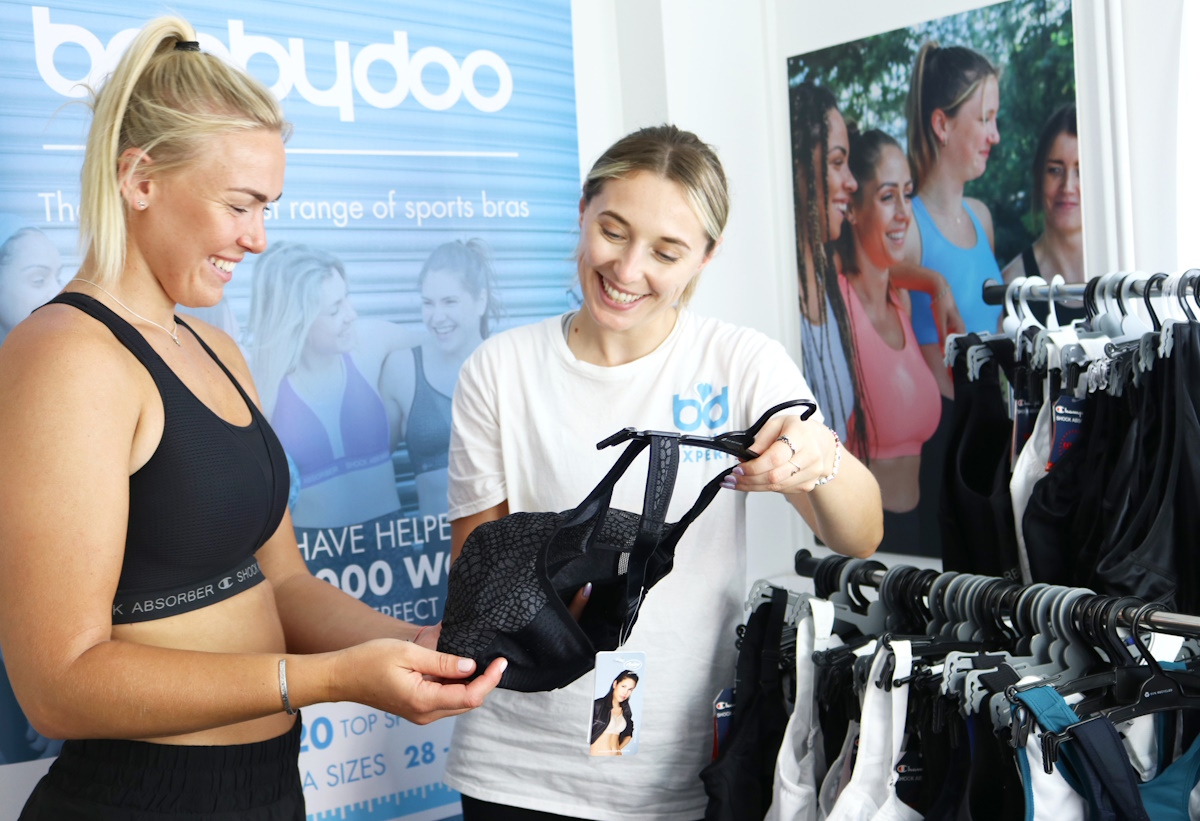
boobydoo, with over 20 years of expertise in sports bra supply and fitting, offers tailored support to help your female athletes access bras that fit well and function effectively during sport and physical activity. Their 1-to-1 expert fittings and wide range of styles ensure athletes can train and compete in comfort and confidence. Find out more here.
Looking at the kit considerations above, what can you change within your coaching space and place to improve the experience for female participants?
Physical Preparation and Puberty
Physical Preparation and Puberty
This video is part of the coaching girls through puberty series discussed the physical changes that occur for girls during puberty.
Esther Goldsmith and Matt Craythorne, Sport Wales explain the impact and importance of physical preparation during puberty.
Esther: As a coach, to notice that someone's going through puberty without them having to come and tell you, you might want to look out for them growing taller and maybe them being a bit uncoordinated when they're moving and changes in their movement patterns. Breast tissue development is likely to start, so you might notice that, or you might notice someone kind of hunching over as they kind of feel more uncomfortable as their breasts grow.
You might notice that participants skip training, which is usually common around the menstrual cycle or around their period and you could have conversations to help change that and avoid that situation from occurring.
Matt: Through puberty the body is growing and developing and that takes a lot of energy both cognitively and physically and so during that period of time they might be getting symptoms of feeling fatigued, feeling tired and again being open to listening and adapting is important.
For those individuals taking it slightly more seriously, there's a rough guideline around, for every year you are old, try not to exceed an hour each week. So, if you're a 12-year-old try not to do 12 hours of that individual sport and go over the top, because you need energy for other areas of your life including school, family and also for those physical and developmental growth.
When they start training also consider the other sports that they might be doing outside of the sport you're working with and that also includes what they might be doing in school as well.
A big myth is that for under 16s or children it's not safe for them to do resistance training. Actually, it's something which can be very important to develop not just the player or the participant, but the athlete. So, them being able to do some sort of progressive resistance training has been shown to be really important in developing confidence in their body and also developing confidence in that person as themself as well. And they don't have to access a gym, this can be things you can do with your body weight: jumping, change your direction, sprinting, stopping, pushing, getting fun and creative with it. Again, you want smiles on faces, seeing what they find and what they might think is interesting, that they found somewhere else and they want to give a go, letting them bring ideas to you.
Try not to make it too competitive, it's very much about where that individual is but also try and make it as a team task as well, something that everyone can contribute to and feel excited about.
So, frequency and being able to do this consistently is a really important part of this. These physical changes can happen over two three four five years and again you have an integral role as a coach to help them build confidence in their body and manage those changes they are experiencing over those two, three, four, five, years. So doing this every time you see them, it might be 10 minutes a session, it might be 20 minutes a session, might be in the warm-up, it might be drip fed in and around other parts, so that adds up over that week, that adds up over time, and that contributes to them feeling: ‘I'm more confident in my body.’
Also to avoid those all-important injuries as well. With training loads and intensity starting off at an easier point and being able to over time gradually make it harder and more challenging, it’s really important so that people don't get injured, but they have this optimal challenge where they find it fun and they're feeling as if they're guessing but always got something to work on.
Starting off with hops for example, can people bounce on one leg, can they touch a cone, can they flip a cone over? You might start doing ‘hops and sticks’ and being able to stick the landing. You might do two hops and sticks; you might make that more game-based where you start to hop in a circle and bump into other people and stick the landing. There's lots of different ways that you can, over time, make this fun and make it slightly more challenging for people in a safe way.
Coach in their Corner
This video is part of the coaching girls through puberty series.
Matt Craythorne, Strength and Conditioning Coach, Sport Wales discusses the importance of coach support during this crucial time in a female participants life.
Matt: As a coach, your role to play in this moment in time is to create that warm and welcoming environment where everyone feels as if they belong. Part of that is the language that is used, making sure that language is respectful and isn't judging people's appearance and their body shape.
It's encouraging them to embrace the changes in their body and help them understand that there will be positive effects and they are going to be experienced a bit further down the line. That there is a really big part still to play in sport for that young person, that they turn up for social support, for their health and also for the passion of sport at the same time.

What are your three key takeaways you will share with another coach?
Sports Injuries
Understanding how biological sex affects sports injuries is important for sports coaches. Whilst injuries can affect anyone, no matter their sex, age, or training background, there may be some sex-specific differences that are important to consider in the prevention of injuries.
Three contributing factors include anatomy, hormonal fluctuations and biomechanical differences.
Anatomy
Following puberty, females typically develop a wider pelvis to accommodate the growth of a baby during pregnancy and childbirth. This alters the limb alignment between the quadriceps and the patella (kneecap), referred to as a Q angle. For men this angle is between 8-15 degrees and for women 9-19 degrees. A wider angle may increase the risk of knee pain and injuries such as ACL (anterior cruciate ligament) damage caused by a wider pelvis, shorter femur and inward twist of the femur as it meets the patella. Other factors may increase the risk including foot position, pelvic tilt, muscle imbalance and weakness.
Hormones
Some individuals may be sensitive to the changing levels of hormones throughout their menstrual cycle. This may affect joint and ligament integrity and motor neurone control and, in turn, affecting landing patterns, coordination, balance and reaction times. Some research has shown that there may be an increased risk of ligament-related injuries around ovulation as a result of the increase in oestrogen, this is individualised and not something that occurs in everyone.
Other studies indicate that there may be increased injury risk before the menstrual cycle as a result of symptoms including sleep disturbances, delayed recovery or clumsiness.
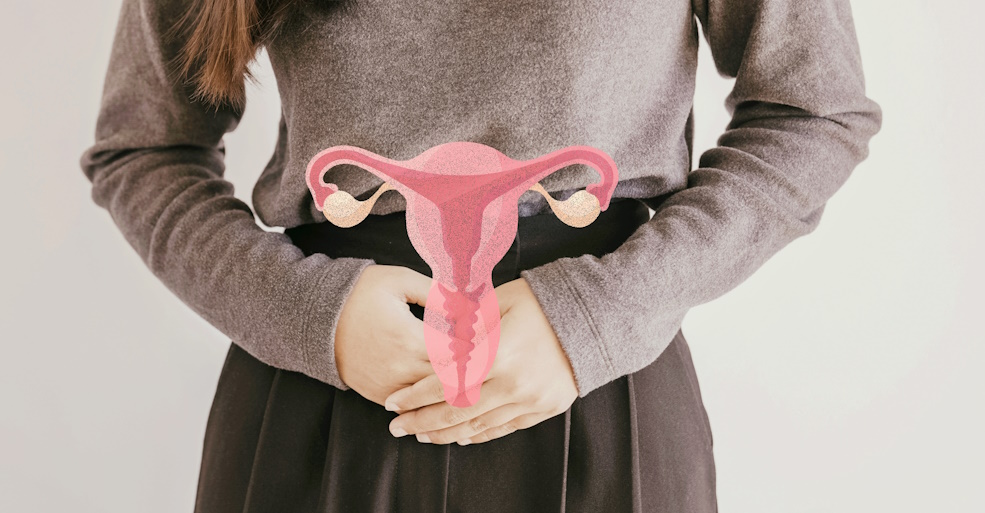
Participants may not be aware and understand how their hormones affect them as an individual and their performance as it takes a few years for their periods and menstrual cycle to become regular and a clear picture to emerge.
Biomechanical
Females usually have different movement patterns which make them more susceptible to certain injuries. When jumping they often land in an upright position with reduced core engagement and straighter knees. Differences in muscle size and recruitment impact on movement mechanics, as well as the above-mentioned anatomy. These changes are often seen in rapid direction changes such as cutting and jumping activities.
REDs
Relative Energy Deficiency in Sport (REDs) occurs in both male and female participants. In simple terms, it described how being in a state of low energy intake as a result of insufficient and or poor nutrition can affect all the body systems, include hormone function, immune function, metabolism, growth and development and mental health. These, in turn, can negatively affect performance including reductions in aerobic capacity, decreases muscle strength, reduced coordination and irritability.
These symptoms, along with the impact that low energy availability can have on bone health, increase the risk of injury. A common symptom of REDs in females is menstrual dysfunction, often periods are irregular or stop completely. Whilst periods may be irregular for the first 1-2 years after starting, after this itis not normal for a participant to not have regular periods, and medical advice should always be sought. Participants should also have started their periods by the age of 16, and a medical professional should be consulted if this isn’t the case.
A common symptom of REDs in females is menstrual dysfunction, often periods are irregular or stop completely.
Growth Spurts
Growth refers to physical changes in the body, like getting taller, gaining weight, and changes in body shape. Females usually grow the fastest in height, often called the growth spurt or peak height velocity, around 11–12 years of age and finish growing by around 18. Weight gain is at its highest rate about six months after their peak height velocity in females, lasting between several weeks to several months, and can result in females gaining around 8kg within one year during this time. For females, this often happens at the same time as the start of their menstrual cycle.
Females will naturally gain more body fat, see changes in body shape, and may feel slower or less powerful during this period despite gaining strength. These changes are normal and healthy signs of development.
Coach Considerations:
- Focus on developing strength, flexibility, and balance training in different directions (such as forwards, backwards, side to side, diagonal).
- Re-teach basic and sport-specific movements during or following rapid growth spurts
- If pain is present, reduce high-impact activities and avoid sudden increases in training load.
What are you now aware of and how will this shape and influence your coaching?
Reducing the Risk
- Encourage individuals to track their bleeds and symptoms in their menstrual cycle, and to talk to you about their experiences. This can enable them, and you, to adapt their training accordingly. For example, you could a warm-up or reducing high intensity work if someone is very fatigued. Small changes can make a big difference.
- Have open conversations. It may seem simple, because it is. You would have conversations around other aspects of performance; menstruation is no different. Create an environment in your sessions where participants can share their symptoms and experiences
- • Introduce a preventative programme to move well, which should include strength, balance and mobility exercises. Specific focus should be given to joint stability such as the knee and ensuring that there is not a muscular imbalance such as the quadricep (thigh) and hamstring (back of the leg)
- Encourage regular fuelling. A balanced and health diet with sufficient energy intake to meet the demands of training and daily activity can help to reduce risk of injury.
- Encourage rest and recovery to allow the body to repair and regenerate. Help participants to understand principles of periodisation and the importance of recovery.
Psychological Factors
How female puberty feels
Psychological Factors
This video is part of the ‘Coaching Girls through Puberty’ Guide.
Matt Craythorne, Strength and Conditioning Coach; Graham Wardell, High Performance Swimming Coach, and Steph Walker, Judo Coach share their thoughts, approaches and experiences.
Matt: We know during puberty, with the emotions that can be experienced and through the physical changes in their bodies, that this can be a really hard time in sport, and especially if performance is not going the way they would want it to be, they can feel really low confidence at this period of time and easily drop out of sport. They can feel as if they are really conscious of their changing body, that people are judging them, that people are watching them.
This experience feels a bit different from before and it feels quite negative. And that wasn't their experience when they had a body which felt as if it was helping them to achieve what they want to in sport.
During these periods of time, it's really important to understand that this is how people are feeling, and that it's quite challenging in this moment in time for them.
Graham: It's okay to talk about periods, it's okay to talk about development, it's okay to talk about puberty.
For me it's not just about the physical side of puberty, and we all talk about that. When I went through my coaching qualifications way back in the 80s and 90s, it was all around what's the physical thing: menstruation, periods, stomach cramps. It was great and the thing was you can discuss this with girls - but what about all the emotional things that come with that and their feelings? What it makes them feel like and how it affects their relationship with sport. Those are the things we didn't really get talked around.
For me they're the key things that help girls feel supported, because at school they get all the ins and outs, the whys and wherefores, and their mums and dads give them all the physical things around what happens.
I think for us, it’s being open as a coach to have a conversation, to make sure they feel safe and comfortable having that conversation but helping them understand that it's a process and a journey. So, educating them before it happens, telling them what to expect in a very positive way, not a, ‘oh my god, guess what, you're going to be developing,’ but actually, ‘do you know what, this is something that's going to happen to you. This is what it's going to look like. This is what's going to happen in terms of your swimming performance because yes, your body is going to change shape. What does that mean in terms of your swimming performance? Does that mean a little backward step? Well, it could mean that. How are we going to overcome that? What's the plan to be having place for that? How are you going to feel when those things happen?’
Helping girls go through that process, I think. And saying, ‘you can always come and speak to us,’ because that's always the thing is just being open to communication and helping them feel safe around it, because it is an embarrassing thing for some children. For some people like my daughter, it was absolutely no problem. She would discuss it with anybody and everybody.
‘Do you know what, that stroke doesn't look good. I've told you before, that left-hand entry is wrong.’ Now, it’s a certain time of the month and they take it as a really personal criticism. They burst into tears, or they won't speak to you. It's like, remember, they can't deal with that emotion. So, help them. Maybe next time say, ‘do you remember we've talked about that before? That left arm, do you think you can have a little look at that? Because I don't think that's quite right.’ So, try and phrase that slightly differently so it's not quite so confrontational. So, it doesn't feel like a personal criticism.
Whereas another time, you might be able to say to them, ‘left-hand entry is wrong, sort it out, please, you know what to do.’ And they'd be like, ‘yes, coach, okay, thank you very much.’ So, just be aware of those things. If they are coming in there, overreacting to stuff, don't tell them off about it. Have a little think, is there a reason behind that? What can we do to help them through that? Can we have a little, ‘oh, you seem a little bit upset tonight. Is everything okay? You know, were you not sleeping well?’ They're going to help you with, ‘oh, I was tired today, coach.’ ‘Okay, why is that?’ ‘Well, you know, I had really bad cramps last night. I didn't sleep very well.’ ‘Okay, well, thank you for sharing that with me. That's okay. I won't be telling you off every second length because you're not hitting the times you were hitting last week.’ You know, just kind of being aware of those things.
I think if you can, the more you can coach with that awareness of the individual rather than the sport, then, you know, the better it will be for all of them.
Steph: It's really important to listen to them, get that relationship with them so that they can, you know, communicate with you because going through puberty is not just like physical, it's emotional as well. So, getting that, you know, conversations with them and listening to them and, I guess, just understanding the different times of the month and supporting them when they need and let them make the decisions because there's nothing worse than being told, ‘you have to do this.’ Everybody's different. Everybody goes through different things. So it's just really, I think, supporting them.
Summary
This video is part of the coaching girls through puberty series.
Matt Craythorne, Sport Wales summaries the key messages and take aways for coaches around their role in developing psychological skills through their practice, behaviours and environment.
Matt: Key things to think about during this period of time is being adaptable around the equipment and the kit that they are wearing, for them to feel more comfortable in their changing body.
To also have a supportive environment which is very encouraging and positive for that person, before challenging them or asking them to improve.
To also consider focusing on what their body can do and encourage them to focus on the positives during this period of time.
Social Factors
Social Factors
This video is part of the coaching girls through puberty series.
Matt Craythorne, Sport Wales, ask coaches to consider social factors which may impact how participants arrive at their sessions.
Matt: Some key points for coaching sessions and understanding that each person has a unique experience. Don't assume that they are turning up hydrated. They might not have drunk very much during the day at school. They might not have had access to the toilet or felt uncomfortable to go to the toilets at school. They might not have eaten a lot as well.
They might not have felt comfortable to eat at school. But also, they might have just had a really busy day and also be aware that they might have just had a really busy day at school and were feeling particularly tired that day. So, helping them to understand that.
Be curious about their day. Allow some time for them to drink, take on some food, would be really important to make the most of your session. It would also be really important to build that relationship with the parent to understand how their day has been and what's going on with them. Because the parent of course will know a lot of that information and be able to pass it on to you.
During these emotions, during these physical changes, a large number of young females will drop out of sport during this time. As their relationship with sport changes or it becomes more challenging or less progressions are seen. Again, they can feel more self-conscious. They don't like people watching them and so it becomes a relationship with sport which is not what it was, and more negative. And it becomes easier to drop out and to prioritise other areas of their life.
It's really important to create that open and welcoming environment so that those young people can turn up to your session and feel warm and included. And that they feel as if they can input. That is formed on that relationship that you build with those young participants so that they feel like they can come and talk to you about how they're experiencing sport.
You give them the opportunity to feedback on what they would like within those sessions, what they don't like within those sessions, what would encourage them to participate more. And that over time will become really important, but it won't be easy from the beginning to get that authentic feedback. That's a bit of trial and error to see what you feel gives those young people the best opportunity to give you authentic feedback. And for you then to do something about it so that they can see that my feedback is valued. ‘I can change the environment around me, and I feel safe and welcome, and I can shape what I want to experience.’
How can you support female participants in your practice?
- Create an open and welcoming environment.
- Understand what ‘fun’ means to the young people you work with.
- Take time to understand what people’s motivations are for turning up.
- Try to understand where everyone is coming to you from… asking questions at the start of a session might help them relax in the environment.
Coaching Experiences
This video is part of the coaching girls through puberty series.
Coaches Graham Wardell, Ella Jackson, Vicky Johnston and Steph Walker share their experiences and approaches to coaching girl participants and ensuring the environment is welcoming
Graham: Try and put yourself in their shoes occasionally. It's really hard for me, I'm in my 60s. It's really hard to pretend to be a 12-year-old girl. But put yourself in their shoes. What are the things that are really important to them?
Girls that always want to be together, there's not a single session when the girls don't want to go to the toilet together. Boys just go when they want to go pee. They just climb out. Girls will go together. They want to be together.
They want to feel like they're a collective unit. So, recognise that puberty is a time when they start questioning their friendship groups at all. Things become more competitive sometimes, shall we say, with new behaviours in sport. But just not allowing some of those things to actually develop. Help them be open and talk about things. It's okay to be rivals. It's okay to just enjoy your sport as well. You don't need to be the best, I think.
Ella: I think either, A, it's can you bring someone in to provide education? Because that will naturally bring a different voice and bring everyone to the table at the same time. Whether you're a staff or a player.
Or then the other side is, can you give resource? Whether that's products being there and just simply breaking down that stigma of it of anyone feeling like they can't access it. We provide that opportunity for them.
Vicky: So, when we've done these sessions, we've made it really clear the differences in puberty experiences for boys and girls. And we've actually had the boys and the girls in the room together talking about this, which has been amazing for the girls seeing that other girls also struggle with some of the puberty elements and also for the boys to realise that they, on the whole, probably have it a bit easier.
Steph: I think it's important that we do create that by, you know, building those relationships as I said before, that they feel like they can come even if they are on or if they're due on. And, you know, there's going to be no judgement, etcetera. And if they do come on, then they know the procedure is right. We can carry on with the rest of the session and nobody's there going, what's going on.
Reflect on the coach’s experiences. What could you add to your kit bag?
Practical Tips
Coaching Environment tips
Social Factors tips
Coaching Environment Tips
This video is part of the coaching girls through puberty series.
Esther Goldsmith, Physiologist, Sport Wales highlights the importance of a welcoming coaching environment for girls during this stage of their development.
One of the first things to consider about your environment is whether there are period products available. This might be in your facility, like a sports centre, or you might have to have a designated person with some period products available. There are lots of free ways that you can access grants and money to get period products, so it doesn't necessarily have to be your financial responsibility.
And then linked with that is make sure there are female-specific toilets or changing rooms. Sometimes these are locked with a key, make sure that that facility is open. And then females, allow them to go to the toilet. They might be menstruating.
We also know that in some sports, urinary continence is really common, even in young adolescents. So, they might need to run off to the toilet. Allow them to do that and don't call them out so they don't feel embarrassed or like you're kind of telling them off for doing so.
You can also encourage some autonomy, encourage participants to take it upon themselves to have period products with them at all times. Particularly if you're traveling to competitions or abroad, encourage them to take that upon themselves. And to also be prepared with a well-fitting sports bra from a young age, so that that is a key piece of equipment that they know that they should have.
We also know that females can feel more self-conscious and worry about who's watching them. So have that conversation with them. If they don't want their parents or they don't want people to watch, can you control that in training sessions so that not everyone from the public can walk in and watch what they're doing.
Coaching Conversations Tips
This video is part of the coaching girls through puberty series.
Coaches Graham Wardell, Ella Jackson and Vicky Johnston share their experiences and approaches to coaching girl participants and ensuring the environment is welcoming
Graham: Well, it's one of the main things I said about education, so, we do education sessions. We've done that before just through ourselves, through our welfare officer, through some of our senior athletes. We've also had some international ex-international swimmers come in. We had Amy Wilmot come and do a talk around periods and she was awesome. Talked to girls about her personal experiences, about how at one point her period stopped altogether because she was training so hard and how unhealthy that was and why that's a bad thing.
One of the things I liked was she talked to girls about how there's a certain time of the month when you feel stronger than before, so you have like a superpower period sort of thing. So just engaging, talking about periods in a really positive manner, but also with some practical advice around how to deal with those and support them.
Things that we do in the club is have some of the senior girls talk to some of the young swimmers around, if you don't have any period products with you, come and see us. One of us will always have something in our bag. If you are embarrassed at any point and you can't speak to your coach, go and speak to one of us. We will have the conversation with the coach for you.
Do things like, if you are getting out of the pool or you are doing dry land stuff, don't wear white Lycra shorts. Put black Lycra shorts on because if anything does happen, you have any leaks, it's not going to be embarrassing. One of us will help you. If you are coming out of the pool in your swimming costume, wrap a towel around you, have a towel ready, have a dark towel ready. All those little practical things I think which will help girls feel more comfortable.
There's always a rush I think in swimming. Do I have to use tampons? Is there a period product I have to use? Well, there's these period pants now. They've got a new thing. It's a new thing for girls, which is great because girls are starting periods earlier and earlier. It used to always be 10, 11, 12-year-olds. Now it's starting as young as 8 and 9. And it's a very uncomfortable conversation for a parent to have an 8- and 9-year-old child to discuss potential pregnancy and why you ovulate and those conversations.
I think being able to have a variety of different things and different tools to help both parents and swimmers understand and understand the benefits of exercising when they're on their period to help them in terms of like make them feel good about themselves. You get the endorphin rush after you've exercised. You might have felt rubbish before you started and you know, it just helps you overcome those things, and I think they're super important.
Vicky: I think one of the main things is ensuring that the culture that you've created in the environment that you're in is a supportive and open culture. I think also within that is making sure that the information that you're giving athletes around puberty is accurate and realistic. So not sugar coating it but also being there to support them as well.
I think another thing is to reinforce that going through puberty is a really good thing. It's a sign of being a healthy athlete and a healthy person. So, whilst there may be some challenges with that, making sure that athletes understand that it is a normal and good thing to go through.
Then the final thing is making sure that you don't make it sort of a one-time thing as a tick box. Making sure it's part of the culture and it's a thing that is explained throughout their career as an athlete, from a young age as well.
Ella: The thing is just creating a sort of supportive and open environment where that conversation can be had. There are so many different aspects that come into it, but allowing the players and the coaches to be comfortable to be able to share and open up discussion opportunities.
Do your female participants have a culture of supporting, sharing and discussing periods symptoms and products?
Coach Stories
Coaching Stories Top Tips
This video is part of the coaching girls through puberty series.
Coaches Graham Wardell, Steph Walker, Vicky Johnston and Ella Jackson talk through their experiences and aspects that they believe are crucial when coaching girl participants.
Graham: Being open as a coach to have a conversation, to make sure they feel safe and comfortable having that conversation but helping them understand that it's a process and a journey. So, educating them before it happens, telling them what to expect in a very positive way, not a, oh my god, guess what you're going to be developing, but actually: Do you know what? This is something that's going to happen to you. This is what it's going to look like. This is what's going to happen in terms of your swimming performance, because yes, your body is going to change shape.
What does that mean in terms of your swimming performance? Does that mean a little backward step? Well, it could mean that. How are we going to overcome that? What's the plan to be having in place for that? And different tools to help both parents and swimmers understand and understand the benefits of exercising when they're on their period to help them in terms of like, make them feel good about themselves, you get the endorphin rush after you've exercised, you might have felt rubbish before you started and, you know, it just helps you overcome those things.
I think they're super important. Keep sending that message to girls that, you know, this is a really important part of their life because we're laying down habits for a lifetime.
Steph: Things like, I keep a blue gi [judo name for the suit] in the dojo as well in case somebody needs it, we can swap it out. And it's just, you know, creating that environment now where females can wear their blue gi when they want in training. It used to be we need to wear white, but things I've explained about, you know, wear your leggings under your kit, have that extra protection and just creating normality with it, I think, and it not being a problem to talk about.
Get that, like, relationship with them so that they can, you know, communicate with you, because going through puberty is not just, like, physical, it's emotional as well, so getting that, you know, conversations with them and listening to them and, I guess, just understanding the different times of the month and supporting them when they need and let them make the decisions.
Vicky: Don't expect to just be able to start these kinds of conversations with no context behind it and expect it to be really easy but also embrace that and go at the pace of the athletes. And don't force them into talking about things that they're not comfortable with.
Drip feed the information in, as I've mentioned before. So, making sure that it comes in as part of a bigger project, a bigger topic, rather than just bringing a practitioner in to talk about it once a year in a standalone thing and making it part of just being a normal thing of being an athlete and a person.
The final one is creating a holistic environment that covers a lot of topics that are useful to being a performance athlete, but also just generally being healthy as a human as well. And being really conscious of the language you use around things like puberty and body weight because that can have a massive detrimental effect on some athletes, even if that's not how you mean it.
So, I'd start off by just doing a bit of research into it so that you know the basic information and then just start having conversations and keeping them really short to begin with. As I said, giving athletes the chance to open up and just basically making them aware that you're happy to talk about this topic because it quite often is a taboo. So just making athletes feel comfortable and supported.
Ella: Start the conversation. I think as nervous as you might be bringing it up, they'll be equally as nervous to sort of discuss it. But if you can sort of, bring it up and share that you're sort of open in that space, regardless of if you have all the knowledge or not, but just being open for that conversation and being a supportive ear I think is a really good thing.
Just reach out and look for what support or resource or access there is to help upskill and whether that's for you yourself or staff that you work with or then the players as well. Then my other part of advice is can we provide some resources for the athletes so that they don't have to worry about being caught short or anything like that or reduce that sort of stigma and nervousness and worry of asking the question.
Period Bag Checklist:
- Period products including pads, tampons, liners.
- Wet wipes or baby wipes.
- Disposable pants or spare underwear.
- Refuse bag (in case there aren’t any bins to put period products in).
Don’t forget to check the bag regularly and keep it topped up.
Summary
The Importance of Coaching Differently
This video is part of the ‘Coaching Girls through Puberty’ Guide, summarising the key messages on the importance of coaching girls differently.
The experience of puberty is different for females compared to males and as a result there are different things that need to be considered. Typically, females start puberty earlier than males and on average this is at 11 years old but could be earlier.
Female puberty is characterised by changes in height, hormones, body composition and brain development. The average age for an adolescent to start their periods is 12 years old although it could be as young as eight or nine. It typically occurs two years after breast development starts and it is likely that periods and cycles are irregular for up to two years as the body starts to regulate the hormone release.
If an individual has not started their periods by the age of 16 this is known as primary amenorrhea and medical support should be sought to determine why.
After their growth spurts, also known as peak height velocity, females will experience the continuation of breast development and brain development. Changes also include widening of the hips as increases in fat mass and as mentioned the starting of the menstrual cycle.
Girls likely experience a range of feelings during puberty as their body changes and becomes different and they experience fluctuations in hormones and emotions. These include stress, tiredness, self-consciousness, embarrassment, isolation and wanting to fit in.
Compared to males, girls might experience heightened self-consciousness around their changing bodies particularly if it affects their ability to move or perform. It is also common for females to experience a plateau in sports performance which is normal but can feel hard and isolating if females are used to doing sport with males who typically experience increase in performance linked with their increase in testosterone during puberty.
That's not to say that males don't struggle during puberty particularly depending on the timing of it but the effect of pubertal changes on females could significantly impact sports performance in a perceived more negative way. Try to help them focus on what they can do and build competence resilience and confidence through other tasks and the development of necessary skills.
Given that female puberty can be a turbulent time and can provoke feelings of judgment and self-consciousness, the environment that you create as a coach is fundamental in improving their experiences and preventing dropout from sport. Through research we know that females want a warm and welcoming environment and opportunities to try new things and learn new skills.
Many girls say that they would participate more in sport and exercise if it was made fun and exciting and some prefer and feel safer with a less competitive or serious environment. So how can you make a difference as a coach to keep girls engaged in sport during puberty? Firstly, understand what fun means to the young people you work with. It might look different to different people. Not everything has to be what you see as fun but are there elements of the session that are enjoyable, sandwiched alongside things that are important but might not be interpreted as fun?
Take time to understand what people's motivations are for turning up. It might not just be for the love of sport. If a motivation to turn up is to spend time with friends maybe avoid splitting them up and allow them that social time to catch up with each other. Give opportunities to engage with friends and be more social. Focus on processes and not just performances and outcomes. Winning is great but not everything is about the end result.
Where is the learning actually happening? How can you reward things like people attending training or working hard even if they don't win? And try to understand the individual context that everyone is coming to you from. What has been their metaphorical journey in their day before training?
Asking questions at the start of a session about how they're feeling, what they're into or what's happened in their day might help them relax in the environment and give you some context. Ultimately this will help you get the best out of them, and they are more likely to enjoy the session.
Our key takeaways are, females experience many changes in emotions during puberty. They can acknowledge these and be empathetic to how they are feeling. Performance plateaus are common. Focus on areas of training that they enjoy and the positive process around it. Focusing on balance, coordination, movement skills and technical skills can also help increase confidence if it has waned. Check on fuelling, hydration and stress before the session to help get the best out of everyone. Consider the kits and clothing that helps participants feel comfortable and relaxed. Don't make comments about someone's appearance whether this is in a positive or negative manner. Be person-centred. Recognise that each participant has individual experiences of sport and life outside sport. If possible, consider using role models to encourage positive behaviours that can help them stay in sport.