
Purposeful Play Requires Coaching Behaviours and Skills
 Article
 Coaches who engage in purposeful play and learning design require a serious skill set often not seen by others.
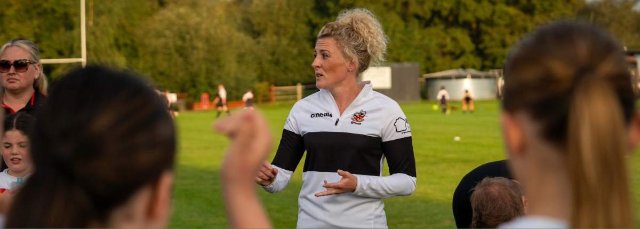
What if the most serious thing you could do as a coach was to let your athletes play?
Including purposeful play in coaching is an intentional act, and demands a specialised skillset. Do you recognise these skills and behaviours in yourself and your coaching practice?
- Noticing
- Learning Design
- Questioning and Facilitation
- Flexibility
- Tolerance of the messiness
- Relationships and trust
- Reflective Practice

Noticing
Step back and actively watch what is happening.
This can help you read participant engagement, spot when energy drops, and observe who is thriving or who is struggling. Play-based environments require a coach who can see what a session is actually producing, not just what was planned for it to produce on paper.
Learning Design
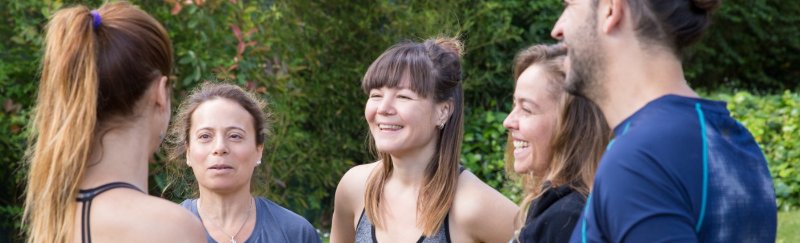
Move from delivering practices and drills to designing experiences.
Think carefully about the intended outcome and areas for development. Is the session focusing on exploring, exploiting or executing the skill? This helps you manipulate space, numbers, rules, equipment, targets and time appropriately. Consider an individual’s challenges or constraints and how tweaking any of these elements changes the experience and learning. Become an architect of conditions rather than a director of actions.
Questioning and Facilitation
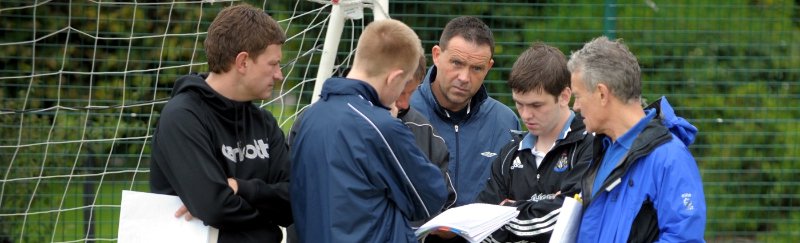
Every interaction is an interruption.
Be mindful of when to speak and when to stay quiet.
Use thick, open-ended questions that prompt individuals to stop, think and consider their answer, rather than give shallow responses.
This deepens the reflection and checks for understanding. The whole experience becomes more meaningful and better learning.
Add complexity beyond simply providing instructions and telling them what to do, and you’ll gain the ability to draw learning out of the people you coach rather than always pouring it in.
In a session, you might ask a team how they improve working together and simply get “communication” in response.
Rather than fill the gap yourself, follow-up questions that would prompt deeper thought could include:
"What would you communicate?"
"What does that look like in your role?"
"When is the right time to communicate?"

Flexibility
Flexibility is a strength, not a weakness.
Play-based sessions don’t always go to plan, and that’s often where the best learning happens. Find comfort in improvising in the moment. Read what’s emerging and react to what is happening in front of you through adaptation rather than staying on the initial plan or forcing a session back onto a predetermined track.
Tolerance of the messiness
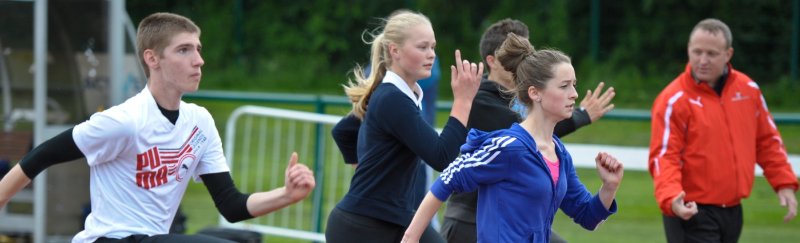
Learning isn’t linear.
Letting go of the need for sessions to look neat and controlled means play can appear chaotic and messy from the outside. But this can produce excellent learning on the inside. Remain confident and trust the process even when it doesn’t look clean and traditional. Embrace the chaos.
Relationships and Trust
Individuals should feel safe enough to take risks, try things, fail, and try again.
Safety is built on quality coach-participant relationships, where trust is high and each side is confident and aware of the other’s intent. Purposeful play is only effective when participants feel psychologically safe to try things without fear of retribution from the coach.

Reflective Practice
Make it a routine to step back and evaluate what worked, what didn’t, and why.
Purposeful play requires ongoing refinement. Reflecting openly and honestly on your sessions will improve your ability to design learning and facilitate sessions over time. Remember, you and your participants are all on a learning journey together.
Benefits of purposeful play
Physical Development
- Develops fundamental movement skills such as running, jumping, throwing, catching, balancing at different speeds, tempos, angles, levels
- Builds coordination, agility, and spatial awareness
- Strengthens muscles, bones, and cardiovascular system
- Develops fine and gross motor skills through varied physical experiences and situations
Emotional Development
- Helps individuals understand and regulate their emotions
- Builds resilience through the journey of winning, losing, and frustration
- Develops self-confidence and a sense of competence
- Provides a safe space to experience and process risk
- Builds a positive relationship with challenge and failure
Cognitive Development
- Builds problem-solving and critical-thinking skills
- Develops language and communication through social play
- Strengthens attention, memory, and concentration
- Stimulates creativity and imagination
- Supports thinking through experimentation
Social Development
- Teaches cooperation, negotiation, and promotes turn-taking
- Develops empathy through shared experience
- Allows for social interaction and connection
- Builds understanding of rules and fairness
- Develops leadership and followership qualities
- Builds trust, empathy and caring for and with others
- Establishes friendship skills and social bonds
- Encourages navigating personalities and differences
- Allows for low-stakes conflict resolutionexperiences
Also in this series
Understanding Purposeful Play
Find out what purposeful play really means and why it matters. Hear from Andrew Telfer, Gill Erskine and Gareth Williams as they share how play supports learning, wellbeing and long-term development across all ages.
RESOURCE
Developing Play in Your Sessions
Ready to play? See practical ways to introduce fun into your sessions and overcome common barriers. This guide will help you design engaging, participant-centred experiences that drive development and, crucially, enjoyment.
RESOURCE