
Understanding Self Guide
 Article
 by UK Coaching
With this comprehensive guide, you’ll gain the knowledge and tools you need to approach valuable self-discovery, key to having a better impact on your participants

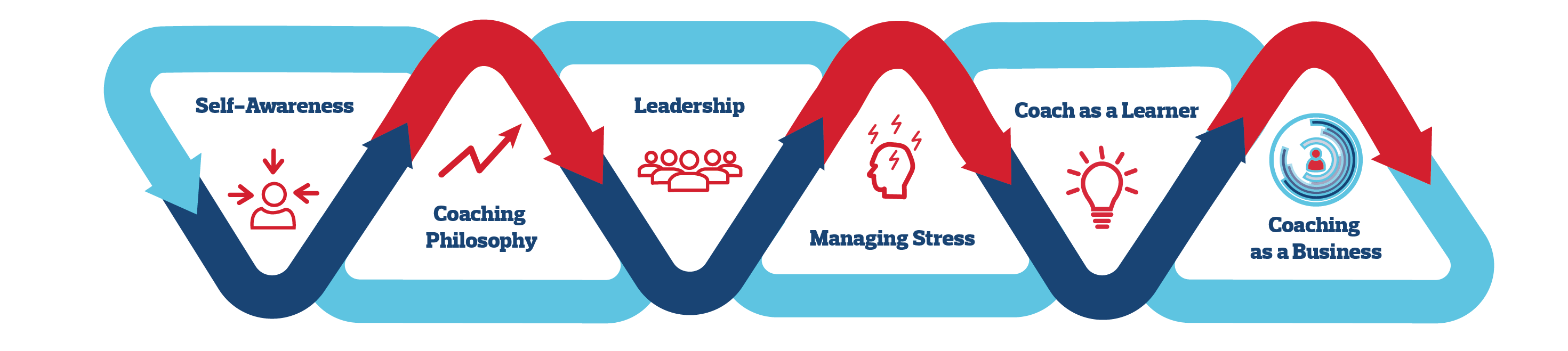
Topics covered in this guide:
If you search online for the term "understanding self," you will find multiple quotes that emphasise the importance of self-knowledge in understanding yourself.
Developing a better understanding of yourself can be quite challenging, and requires constant development and self-reflection. Importantly, it can significantly enhance your impact on your participants.
This is because everyone has unique experiences influenced by how an individual sees the world and the decisions they make that shape how they deliver their practice and support their participants.
By understanding your strengths, areas for development and values, you can better serve and support your participants in achieving their goals.
Self-Awareness
Self-awareness is recognising and understanding your thoughts, emotions, and behaviours. It's about knowing your strengths, weaknesses, values, and motivations.
Self-regulation involves managing your thoughts, emotions, and behaviours in line with your goals and values. It's about staying composed under pressure, controlling impulses, and adapting to various situations.
To become a great coach, it's crucial to identify the factors that shape your coaching practice and decisions.
Reflect on your past experiences, upbringing, beliefs, interactions with others, and external factors, such as stress, fatigue, and environment. Consider how these elements influence your approach to coaching, communication style, leadership, and your ability to stay centred and focused. By understanding these influences, you can make conscious choices and decisions to align them with your coaching philosophy and goals.
Self-awareness and self-regulation are crucial elements that directly impact your coaching practice and the participants you work with. When you become more aware of your triggers, biases, and emotional patterns, you can create a positive coaching environment, connect better with participants, empathise with their struggles, and provide more effective support and guidance.

This heightened self-awareness also enhances your ability to be consistent in regulating your responses, messaging, and approaches allowing you to maintain composure during high-pressure situations, make rational decisions, and serve as a positive role model for your team.
Tips for cultivating self-awareness and self-regulation
- Dedicate time for self-reflection to analyse your thoughts, emotions, and actions.
- Ask for honest feedback from participants, peers, and mentors to gain external perspectives.
- Establish clear boundaries to maintain a healthy work-life balance and prevent burnout.
- Stay curious, be open-minded and keep learning. Develop emotional intelligence for better self-regulation.
- Incorporate mindfulness techniques like meditation or deep breathing to stay present and centred.
Checklist for emotional regulation
Even with a sound understanding of your emotions, it’s important to analyse them regularly. Use this checklist to reflect on situations and your emotional response.
Recall a situation in your coaching (it could be during practice, meetings, or competition) that stimulated a strong emotion. Work through the following questions and, if it would help, jot down your answers for future reference.
- What led to the situation?
- How did you interpret the situation?
- How intense were your emotions (say on a scale of 0-100)?
- Did your emotions influence other people's actions and behaviours? If yes, how?
- Did your emotions influence your actions? If yes, how?
- Did your emotions influence your judgement? If yes, how?
Coaching Philosophy
Your coaching philosophy informs your coaching practice and guides decision-making. It goes beyond your sport's or physical activity's technical and tactical elements. It’s a set of values, beliefs and guiding principles that determine how you coach. You need to think bigger than the ‘game’ and allow it to be shaped by your experiences as a person.
To start you off, why don’t you ask yourself the following three questions?
Q. Why did you start coaching?
Q. What brings you the most satisfaction in your coaching?
Q. What is your coaching style?
Think of your coaching philosophy as a kind of ‘North Star.’ It guides your progress and establishing it is a key aspect of becoming the kind of coach you want to be.
Your coaching philosophy:
- guides your thinking and decision-making
- directs your coaching conversations
- provides a mirror to reflect upon
- requires revisiting regularly
- should inform your coaching practice, so live it every day!
Having someone to talk to can be helpful. They can offer a different perspective or a more rational approach to situations that you are emotionally involved in and can provide emotional support when things are tough. They can also help you to develop your coaching philosophy.
This would simply involve:
- identifying a peer to have a coaching conversation with
- connecting with them
- arranging opportunities to develop your relationship
- taking ownership of the session to get out of it what will most benefit you and your coaching practice.

Consider the following when developing your coaching philosophy:
- What would we see in your coaching behaviours?
- What would we hear from you in your coaching behaviours?
- How would we see your participants engage during your sessions?
- What would we be hearing in the sessions?
- What type of relationships would we observe with your participants and coaching team?
- How would you categorise your practice design and approach?
- What is your approach to developing your participants?
Managing Stress
Do you thrive under pressure, or does stress impact your performance?
Recognising signs of stress, understanding its impact on physical, emotional, and behavioural levels, and identifying specific stress triggers are crucial aspects of self-awareness and foundational steps in effective stress management.
Being able to recognise signs of stress is crucial. Stress can show itself in various ways and be different for everyone, although common indicators include:
Physical:
- Increased heart rate.
- Muscle tension.
- Shallow breathing.
- Sweating,
- Gastrointestinal discomfort.
Emotional:
- Anxiety.
- Frustration.
- Self-doubt.
- Anger.
Behavioural:
- Difficulty concentrating.
- Difficulty in decision-making.
- Difficulty in sleeping.
- Irritability.
- Changes in interpersonal interactions.
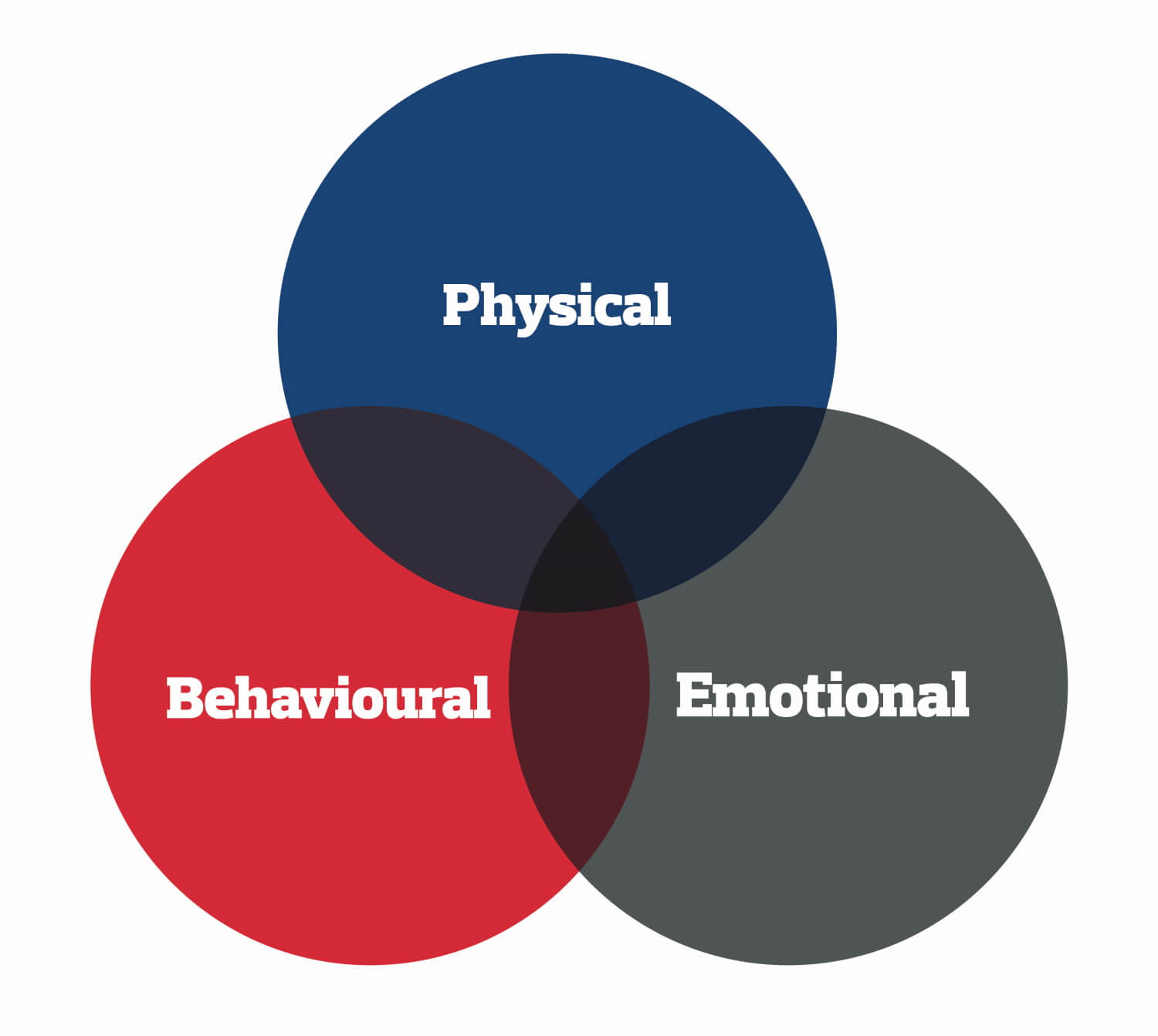
Pay close attention to how stress influences your body and mind during pressured situations, such as competitions, intense training sessions, or challenging conversations. Do you notice any of these physical, emotional, or behavioural signs?
Acknowledging these signs is the first step toward effectively managing stress.
It’s important to understand the specific sources of your stress.
Are you concerned about:
- coaching- home balance?
- your performance?
- the expectations of others?
- the fear of failure?
- letting down your team?
- feeling embarrassed about a result?
Identifying the root causes of your stress enables you to address them directly and develop targeted coping mechanisms.
When do you tend to experience heightened stress levels?
Think about how you react before and during:
- a challenging conversation with a participant or a parent or carer
- intense training sessions
- things not going ‘right’ in your sessions
- facing challenging opponents
- in competitive environments.
Managing your stressors
Self-reflection allows us to understand our strengths and areas for development and recognise why we respond in certain ways when faced with stressful situations.
- Monitor your internal dialogue and replace negative self-talk with positive affirmations and encouragement. Develop a mindset of self-compassion and resilience, acknowledging that mistakes and setbacks are a natural part of the journey.
- Manage your expectations by setting realistic and achievable goals for yourself. Avoid fixating solely on outcomes and instead focus on the process and effort required to perform at your best.
- Keep challenging situations in perspective by reminding yourself of the bigger picture. It's important to maintain a balanced perspective on both successes and setbacks, recognising that they are opportunities for growth and learning.
- Prioritise self-care by prioritising suitable rest, nutrition, and exercise. Physical well-being plays a crucial role in managing stress levels and maintaining overall resilience in the face of challenges.
- Explore stress management techniques, such as progressive muscle relaxation, guided imagery, journaling, mindfulness, deep breathing exercises, visualisation, exercise, or listening to music. Experiment with different strategies to discover what works best for you and incorporate them into your routine to build resilience against stress.
- Seek support, and lean into your support network, whether it's fellow coaches, mentors, trusted friends and family members, or professional guidance to help alleviate stress and provide valuable perspective.
Stress management tips
- Breathe in through your nose for 4 seconds.
- Hold your breath for 7 seconds.
- Breathe out through your mouth for 8 seconds.
Repeat the cycle three times to start with, working up to eight repetitions.
This breathing pattern can help to reduce anxiety and aid relaxation.
- Red: ‘When I feel…’
- Amber: ‘I need to...’
- Green: ‘Then I will feel...’
Example:
Red: ‘When I feel nervous about a deselection conversation.’
Amber: ‘I need to breathe.’
Green: ‘Then I will feel calm and centred.’
Leadership
There are clear parallels between great coaching and effective leadership. Leadership lies at the heart of coaching and is about driving teams towards success; not just about leading participants or members of the wider coaching team, but a diverse range of personalities, each with unique strengths, areas for development and aspirations.
It's about leading by example, inclusion, making tough decisions, inspiring, motivating, and nurturing growth.
Leadership approaches
Effective leadership is crucial for success. Approaches vary, from authoritative to democratic, and transformational to servant. Each approach brings its own benefits and challenges:
- Authoritative: making decisions without input from team members.
- Democratic: encourages collaboration and input from team members.
- Transformational: focuses on inspiring and motivating team members to achieve their best.
- Servant: prioritises the needs of team members above the needs of the leader.
It is important to consider how your leadership approach can influence the morale, confidence, and development of your team members and the wider coaching team.
Your approach will affect how you communicate, manage conflict and challenges, and the motivational climate within your environment, and will ultimately impact your overall coaching practice.
By taking the time to understand the different leadership approaches and their potential impacts, you can select the approach that best aligns with your values and goals as a coach and create a positive and effective environment where everyone can thrive.

Who is a leader?
Leaders aren't limited to coaches or captains; they emerge from all levels and roles, and come in different forms, all with unique strengths and skills that contribute to the overall success of your team or organisation, including:
- the vocal motivator inspiring their team with their words and enthusiasm
- the quiet hard worker leading by example
- the strategic thinker with a keen ability to analyse situations and make thoughtful decisions
- the collaborator leveraging teamwork to achieve common goals
- the visionary thinking about and seeing opportunities that others might overlook.
All forms of leadership that can contribute to the collective success of the team or organisation.
Leadership principles

- Lead by example: Actions speak louder than words. Display the qualities you want to see in your team.
- Communicate effectively: Listen actively, provide constructive feedback, and foster open dialogue.
- Adapt your style: Recognise the needs and dynamics of your team, flexing your leadership approach accordingly.
- Empower others: Encourage autonomy, ownership, responsibility, and initiative among team members.
- Foster a positive culture: Cultivate team spirit, sportspersonship, and a growth mindset within the team.
- Continuously learn and grow: Stay humble, seek feedback, and embrace opportunities for personal and professional development.
Coach as a Learner
Developing and extending your knowledge and experience as a coach is vital for remaining up-to-date and giving the people participating in your sessions the best possible experience. We know that it is not always easy to find time to learn, so try to consider how to fit learning into your schedule.
Learning is an ongoing process that takes time and many episodes, so it is useful to think about the many ways you can do your learning.
Understanding different ways to learn
How do you prefer to learn new information?
Our learning preferences are the way we prefer to absorb, process, make sense of and retain information.
For example, when learning a new skill, some people understand the steps by following verbal cues and instructions, others prefer to watch a demonstration and see the activity, and some prefer to simply have a go at the activity themselves.
However, it isn’t helpful to categorise people based on fixed learning preferences, as people are not one type of learner or another.
While it is accepted that people have learning preferences, there is no robust evidence that learning in your preferred style improves your learning.
On the other hand, evidence shows that people benefit the most when they can learn new information in different ways, and when a range of senses are stimulated. When learning about a topic, you might find it useful to read an article like this to introduce the information, then listen to a podcast or watch a video explaining the topic in more detail.
Also, consider how other people can help you learn, we are social beings after all! Chatting things through with another coach or someone you trust can be a valuable way to consolidate your learning and perhaps consider a different point of view.
Having a go at something is another great way to learn. Putting new ideas into practice, reflecting on what worked and what didn’t, and how you could tweak it to improve it next time can transfer what you are learning about into coaching practice.
Individual learning depends on cognitive, emotional and environmental factors, as well as prior experience.
This is best summarised by Yana Weinstein in her four-step summary of the science:
- People have preferences for how they learn.
- All people learn better when more senses are engaged.
- Some people benefit from additional modalities more than other people.
- No one suffers from the addition of a modality that’s not their favourite.
Where to start
Seeking out new information based on things that spark your interest or areas you wish to improve in your coaching practice is a good place to start, but what is the best way to go about this learning?
Introduce new ideas in small steps to give you the chance to make sense of them and connecting them to your existing prior knowledge.
Try to make sense of it in your world. Better learning happens if you make the information meaningful and can apply it into your own context, so you can use it in your coaching practice. Do this by thinking about examples and elaborating on the information, thinking about how? and why? questions.
You then need to make it useful for what you do, think about it and apply it. Take time to reflect on how it impacts where, who and how you coach.
You will come across ideas and concepts that you don’t agree with and also ones you want to adopt quite quickly. Keeping a critical eye on everything is encouraged – don’t just accept everything you come across, but, at the same time, keep an open mind about how you could adapt things to work in your context, rather than rejecting ideas you don’t like immediately.
Then, if you want to remember all this, you need to practise it, many times, in different situations. After all, the whole point of doing learning is so you can improve what you do, in this case, your coaching practice. Think about how you can try things out in your coaching, whether this be planning, coaching or reviewing things.
You can see how all of this means learning takes time!
Developing a positive learning mindset
Maintaining a positive learning mindset can be hard, particularly in challenging situations. It takes time, energy and conscious effort.
But if you work on it on a regular and consistent basis, it will soon become a habit!
So how can we develop a positive learning mindset and a love of learning?
Top tips for positive learning
To develop a positive learning mindset, or simply to target long-standing negative habits that are preventing you from enjoying learning to the fullest, try:
- Being conscious about learning. Actively look for opportunities to learn, grow and develop, at home, work or socially.
- Setting yourself some learning goals. Remind yourself of them regularly.
- Learning at least one new thing every day. This shouldn’t be for a specific purpose or to aid career development but should simply be part of your day-to-day life.
- Being present in the moment. Notice and pay attention to other people and to the world around you. Pay attention to how you respond to challenges and surprises.
- Actively seeking feedback from others. Ask for feedback from family, friends and colleagues regularly. Use that feedback to improve.
- Remembering it’s okay to make mistakes. But don’t dwell on them: acknowledge they happened, then turn them into opportunities to learn, grow, and improve.
- Experimenting! Step outside of your comfort zone and be open to new ideas and experiences. View challenges as opportunities to learn and improve.
- Reflecting on your experiences. When you can, take a few minutes to reflect on what you have learned. The more honest you are with your progress, the more likely you are to improve.
- Learning from others. Closely observe and listen to others. What can you learn from them?
- Being kind to yourself! Don’t open yourself up to constant self-criticism, and don’t be too hard on yourself. Take breaks and learn in manageable chunks.
- Seeking opportunities for your own learning and development. You are responsible for what you’re learning and when, so choose things that you’re interested in.
Coaching as a Business
Whether you're just starting out and looking to turn your passion into a profitable coaching business or looking to elevate and expand your reach, understanding the ins and outs of coaching as a business is vital.
Running a coaching business is a dynamic journey that demands a combination of passion, expertise, and entrepreneurial spirit. Laying a solid foundation by understanding the key considerations for setting up and running a successful coaching business can make a significant difference in achieving your goals and staying ahead of the competition.
To run a successful coaching business, you need to have a comprehensive approach that involves strategic planning, financial management, marketing skills, exceptional leadership, and the use of technology to enhance your business. Each element plays a crucial role in the success of your coaching business.

Building a successful coaching business requires a strong foundation.
It's important to have a clear understanding of the various business formations when creating your business structure so that you can choose the one that best aligns with your goals.
Developing a solid business strategy that outlines your vision and how you plan to achieve it, establishing support networks, and ensuring compliance with all legal requirements using robust policies and procedures are key components to creating a blueprint for success.

Business finance.
It's important to have a good grasp of financial planning when starting a business, including setting achievable financial targets, tax liability, start-up costs, and creating a budget.
Basic accounting and tax principles enable you to accurately monitor revenue, expenses, and profitability which will help you make informed decisions to promote the sustainable growth of your coaching business.

Leadership and people.
Having effective leadership and people management skills are crucial for creating a positive coaching environment and promoting development.
Building strong relationships and maintaining effective communication with everyone involved, including participants, members of the wider coaching team, and other stakeholders, allows you to establish a culture that encourages and motivates.
It's also important to have knowledge and understanding of employment law, as well as safe recruitment and onboarding procedures.

Sales and marketing.
To differentiate your coaching business in the marketplace and stand out from the competition, it's vital to learn to leverage various marketing channels and strategies that are crucial for attracting and retaining customers, driving revenue growth, and expanding the reach of your business.

Technology to enhance your business,
In the current digital age, technology can be your greatest ally. It enables you to enhance operations, improve and streamline communication, and stay ahead of the competition.
Whether it's creating a website, using social media to promote your brand, or taking your offer online, embracing technology can help you reach a wider and larger audience and simplify your work processes.
Remember: building positive and quality relationships and delivering value to your participants should always be a top priority. Focus on building your brand and creating a positive coaching environment.
Related Resources

Understanding Self
Learn about this theme of the Coach Learning Framework and discover its key pillars to aid your understanding of the self
LEARN MORE
Coaching Conversations
Watch coaches share their lived experiences, offering real-life examples and strategies to help you immediately grasp the theme of ‘understanding self’ and refine your coaching philosophy
WATCH THE VIDEOS
Kickstarter
Download activities that invite you to reflect, consider, and try out new approaches to enhance your self-understanding and self-awareness
DOWNLOAD THE ACTIVITIESUK Coaching Club Premium Membership


