
Inclusive Coaching Through Play
 Article
 Rebecca Foster brings a caring and inclusive approach to her work, creating environments where people of all backgrounds feel supported, valued, and able to thrive. With a strong Physical Education and coaching background, she combines practical experience with thoughtful insight to help coaches develop people as well as performance.
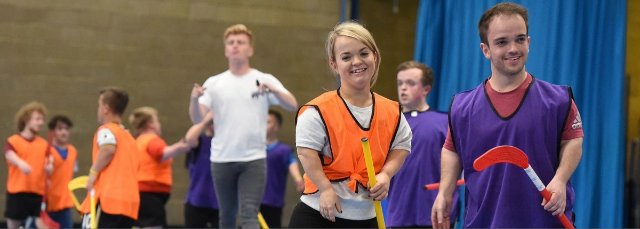
Great coaching is inclusive coaching; how do you measure up?
Many coaches I speak to admit they want to be more inclusive in their practice. Often, they ask which course they need to attend, or assume they cannot coach inclusively without a specific qualification. This is a common misconception.
Inclusion is not something you gain from a certificate. It is a mindset.
What most coaches actually need is the reassurance and confidence to continue doing what they already do well.
Being inclusive in your coaching goes beyond attending a course. You need to be open, reflective, willing to develop meaningful relationships, and able to adapt your communication for all participants.
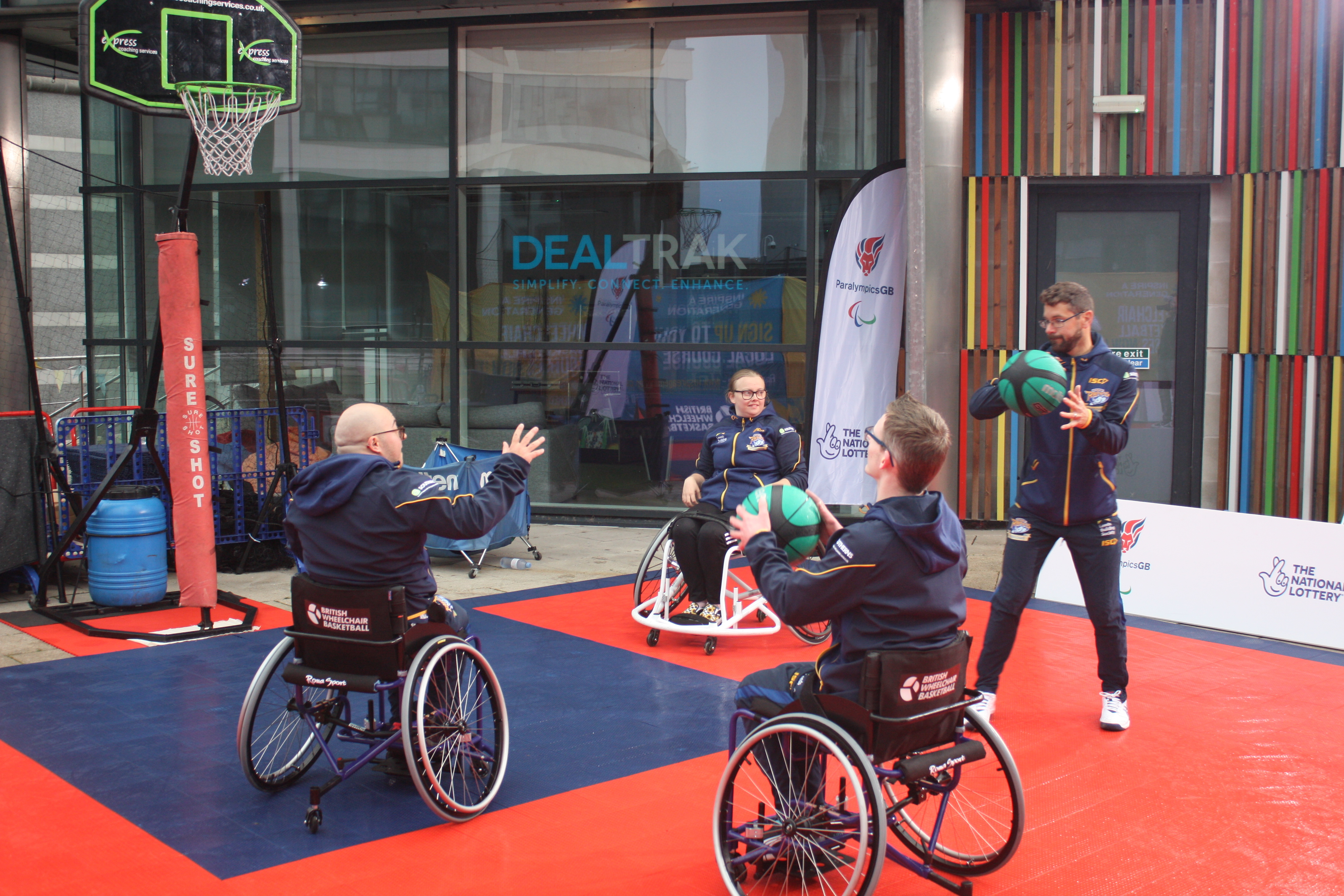
The good news? Inclusive coaching is not complicated. Once you overcome the initial uncertainty, inclusive practice becomes second nature.
Through your coaching, you want children to enjoy playing, to love moving their bodies, and to develop a positive relationship with physical activity.
This might involve sport or any other form of movement that brings them joy. You want them to achieve, progress, and feel successful, otherwise, you wouldn’t be coaching. You have something valuable to offer, so give them the best of you.
Crucially, inclusive coaching means meeting the needs of everyone involved, including those with physical, learning, or cognitive challenges. It is not something ‘extra’, occasional, or reserved for specific participants. Inclusive coaching is good coaching, and good coaching benefits everyone.
Grounded in Universal Design for Learning
We want everyone to explore movement in ways that are fun, meaningful, and engaging. However, exploring movement comes more easily to some people than others. Some may need additional time, support, or encouragement to feel confident joining in play.
Universal Design for Learning (UDL) reminds us that there is no ‘average’ person, so inclusive play environments are flexible from the outset, rather than reactive.
Play can and should look different for everyone. What play means to you may not be the same for someone else. This raises an important question: should play only value physical skill? Or can we also recognise and celebrate social, emotional, and cognitive strengths alongside physical ability?
Does good play simply mean that everyone is busy, smiling, and doing exactly what you ask? Or can it be something deeper and more inclusive?
For those new to coaching, especially if participants have additional needs, good play isn’t just about speed, strength, or technical skill. Aligned with UDL principles, good play allows for multiple ways of engaging, participating, and succeeding. It may show up through:
- Creativity: Participants inventing games, adapting rules, or imagining roles
- Social connection: Cooperation, communication, empathy, and supporting others
- Problem Solving: Working out how to approach a challenge in their own way.
Participants, especially children, approach play with very different experiences, abilities, confidence levels, and developmental stages. This means we cannot measure everyone against the same expectations. Instead, good play is about recognising multiple pathways to success. A person who encourages a teammate, adapts an activity to suit themselves, or thinks tactically is just as successful as one who runs the fastest or scores the most points.
For great coaches, good play means noticing and valuing these differences, then designing environments that all participants can access, engage with, and use to express themselves.
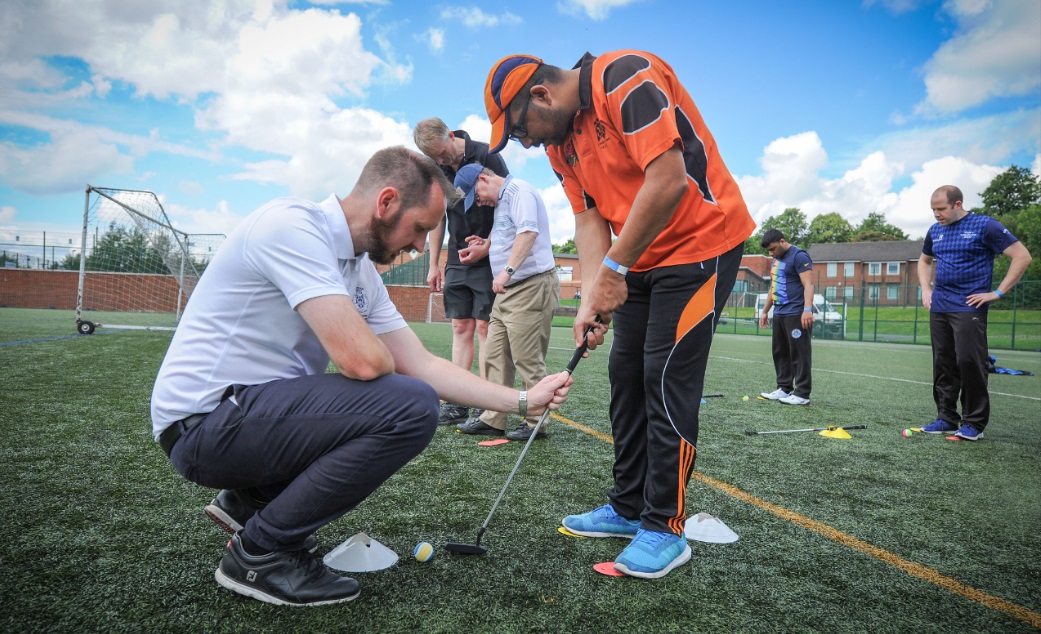
(Multiple Means of Engagement – UDL)
No one enjoys being singled out, and just as most people don’t want to be the first to arrive at a practice alone, few want to be the last to turn up either. These moments can heighten anxiety, make people uncomfortable, and leave them feeling disadvantaged or worried they’ve missed key information. This is especially true for new or anxious participants.
Practical Ways to Encourage Engagement
Before practice
- Aim to arrive early so participants don’t enter an already formed space alone
- Greet the person. When working with children, always greet the child first, then their parent or carer. This shows the child they are recognised and valued
- If a person is new or anxious, give them time to observe before joining in. Watching is a valid form of engagement
- Ask simple, interest based questions (such as “Is there anything you really enjoy doing?”) to help personalise connection
During practice
- Check in one to one, even briefly, to build trust and reassure
- Use open ended questions to invite interaction rather than demand compliance
- Offer meaningful roles beyond physical participation (such as scorekeeper, leader, helper, demonstrator, match official), providing multiple ways to take part. Value, recognise and reward these roles the same as a participant developing and achieving a physical skill
- Design open ended activities with no single “right” way to engage, providing choice and allowing everyone to participate at different levels and in different modes
After practice
- Thank each person individually and acknowledge effort, decision making, or contribution
- Invite simple feedback to show participants their voice matters
- When coaching children, always check in with parents or carers to ensure needs have been met. This supports continuity and maintains relations between coach, child, and parent / carer (triad)
- Where possible, offer a small role or task to carry into the next session, helping sustain connection and purpose
(Multiple Means of Action & Expression – UDL)
Success looks different for everyone. What one person does with ease may represent a significant achievement for another. As a coach, it’s vital to recognise these moments. In diverse groups, including individuals who may be neurodivergent, progress is not always loud, visible, or physical.
Success might look like:
- Joining in for the first few minutes
- Making eye contact or initiating interaction
- Asking a question
- Staying in the space
- Making a new friend
Look past traditional result and performance outcomes and celebrate effort, persistence, creativity, and emotional safety as much as skill development. Recognising these subtle but meaningful wins help your participants feel seen and valued. They’ll build confidence to engage on their own terms.
Celebrate:
- Trying something new
- Persisting after difficulty
- Finding a personalised way to complete a task or activity
- Working through and finding different solutions to a problem or challenge
Over time, these small wins foster trust, belonging, and positive relationships with movement and physical activity.
(Multiple Means of Representation – UDL)
Small changes in language and words can make a powerful difference to how people experience play. Language that invites exploration rather than passes judgement helps individuals feel safe to try, adapt, and contribute.
For example, changing your words:
- “Who can do this best?” to “Let’s see how many different ways we can do this.”
- “That’s wrong.” to “That’s one way, what else could we explore?”
Coaches might also use prompts such as “What do you notice?”, “What happens if…?” or “How could we change this to suit you?” to keep play open and shared rather than direct and instructed.
Importantly, inclusive language also means being thoughtful when describing people, focusing on children, athletes, players, or participants first and avoiding labels or negative, deficit based terms.
By using language that is curious, respectful, and person centred, coaches create play spaces where all contributions are valued and where everyone, especially children or those who are often marginalised, feel confident to explore and belong as they are.
Building psychological safety is essential if we want everyone to engage, take risks, and enjoy play. Ways to make individuals feel safe from embarrassment or judgement include:
- Normalising mistakes as part of learning
- Modelling and trying activities as part of your coaching
- Encouraging peer support and cooperation over competition.
Inclusive and playful environments accept difference, curiosity, and open questions so participants feel seen and respected, while self‑esteem is protected as they play.
Feeling safe doesn’t mean avoiding failure. It means knowing that failure is acceptable and trying again is encouraged. By creating spaces where people feel valued even when things don’t go to plan, we support them not just in play, but in developing confidence, resilience, and the willingness to re‑engage as they grow into young adults.
Valuing the whole person
Valuing the whole person means recognising that everyone arrives with different experiences, abilities, confidence levels, and starting points.
As their coach, you are instrumental in shaping how that environment feels. Don’t underestimate the influence of your role.
Physical ability is just one part of development, and you can send a powerful message about belonging by noticing and celebrating kindness, encouragement, leadership, creativity, and imagination.
Inclusive coaching, informed by UDL, involves adjusting activities, offering choices, and moving away from one size fits all expectations. Progress should be measured against a participant’s own journey, not against others. When difference is valued, and success is personal, play becomes meaningful and accessible for everyone.

Rebecca Foster is principal lecturer in Physical Education at the University of Worcester, specialising in adapted PE. Rebecca has a lifelong involvement in sport initially as a athlete before becoming a coach and team manager for UK Deaf Sport, when she attended three Deaflympics. Rebecca was awarded an MBE in 2019 for her services to inclusive sport and young people.
More Purposeful Play Resources
We've created fresh coaching resources to help you bring the play in UK Coaching Week.
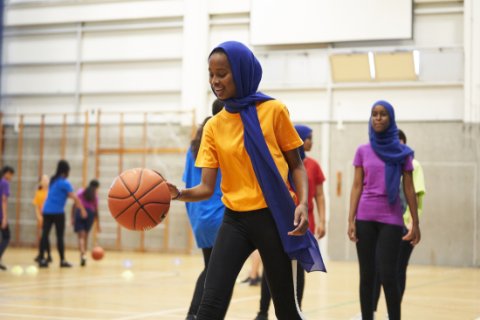
Understanding Purposeful Play
Find out what purposeful play really means and why it matters. Hear from Andrew Telfer, Gill Erskine and Gareth Williams as they share how play supports learning, wellbeing and long-term development across all ages.
RESOURCE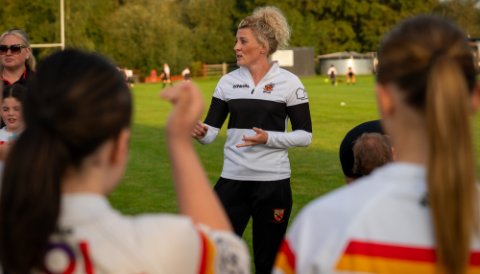
Purposeful Play Coaching Skills
Discover the coaching behaviours that bring purposeful play to life. From learning design to questioning and flexibility, learn how to create engaging environments that support deeper learning and development.
RESOURCE
Developing Play in Your Sessions
See practical ways to introduce fun into your sessions and overcome common barriers. This guide will help you design engaging, participant-centred experiences that drive development and, crucially, enjoyment.
RESOURCE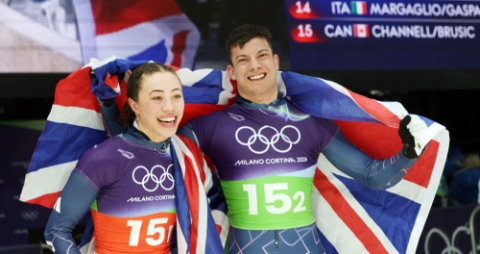
Play for Performance
Play is not the opposite of performance, it is the pathway that leads to it. Play helps elite athletes show up consistently and hone their skills further, because they enjoy sessions, are motivated to succeed and have a desire to engage.
RESOURCEExploring Purposeful Play
Find resources, videos and bite-size learning to help you better understand purposeful play and, importantly, how to use it in your sessions.
What is Purposeful Play?
Explore what purposeful play really means and how it supports learning and development.
READ MORE
Play for Performance
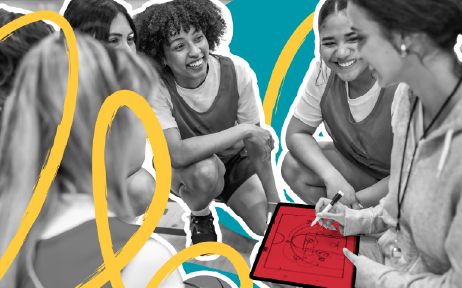
Discover how play can raise challenge, sharpen performance and deepen learning.
LEARN MORE
Children's Right to Play
Put children first by protecting their right to play within coaching environments.
LEARN MORE
#PlayItForward
Coaches are sharing the games they love, check out this example. Why not share one of your own?
WATCH HERE
Play That Lasts
Turn playful moments into lasting impact by embedding play for the long term.
LEARN MORE