
Play for Performance
 Article
 Play is not the opposite of performance, it is the pathway that leads to it. Play helps athletes show up consistently, because they enjoy sessions, are motivated and have a desire to engage. This provides the foundations for their stage of learning and development through a safe environment to explore, adapt, make mistakes, learn and improve.

Play is part of the essence of sport
Talent development coach and coach developer, Joel Enoch, understands the importance of play in developing performance athletes.
Watch as Joel explains why play matters in sport at every stage of an athlete’s journey from early participation to high performance. Hear how the experience and environment, along with coach behaviours, impacts their motivation and development plus their identity as a person, participant and performer.
In the video, Joel highlights a practical way of understanding what your athletes want from their sporting experience. He also explores designing sessions that protect the benefits of play while using competition with care in your programme and pathway.


Where has my coaching environment become “a plate full of salt”, too much focus on results and competition, and what would it look like to reintroduce purposeful play?

What do my athletes find engaging and motivating right now? (Ask them!) What type of play, challenge, or competition draws out their best effort and keeps them coming back for more?
Community drives learning and development
Top tips
- Remember everyone enjoys play, sometimes we just need to give adults ‘permission’ to play
- Protect the ‘essence of play’. Keep space for curiosity, creativity, and enjoyment even when the long-term goal is performance
- Be purposeful with competition. Add it to enhance motivation, engagement and challenge, not to replace learning opportunities
- Design ‘safe to try’ activities and sessions. Create opportunities where athletes can explore, make mistakes, rework, find solutions in a flexible way. Set problems, not the solutions and create the freedom to explore
- Use play as the coaching tool for effort when physical and mental demands or challenges are high for your athletes. Hide the effort within the play
- Co-design the balance with your athletes. Ask what motivates them and what “play” looks like in your environment. The right mix differs by person, age, stage of learning and development as well as the environment

Takeaways
- Ask your athletes what they want from participating in sport
- How much enjoyment and satisfaction do your athletes gain from your session?
- Smiles count
- How many ways can you bring play into your sessions?
- Do you create an environment where your athletes rush to get through the door?

In your next session give your athletes permission to experiment, be creative and play. Shape your sessions around trying new things, experimenting with different approaches, failing and going again, learning new solutions to existing problems.
What simple change could increase creativity without losing structure and session design?
How can your coach behaviours and language help encourage this? Is your language playful?
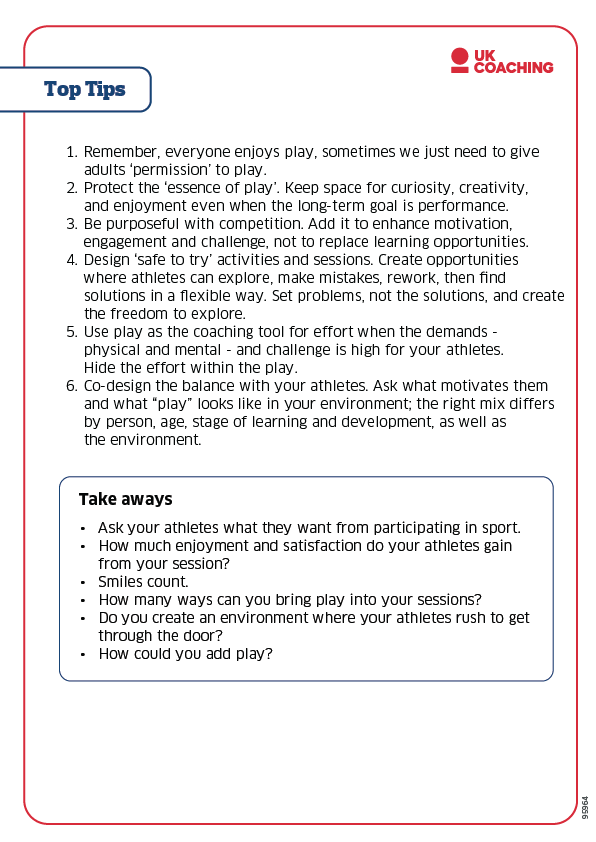
More Purposeful Play Resources
We've created fresh coaching resources to help you bring the play in UK Coaching Week.
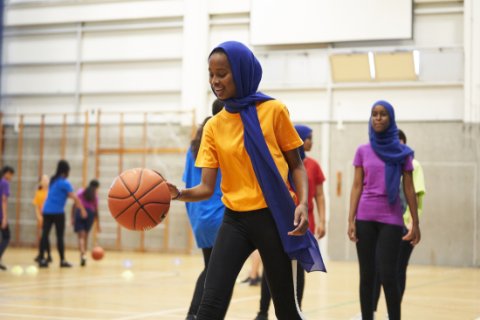
Understanding Purposeful Play
Find out what purposeful play really means and why it matters. Hear from Andrew Telfer, Gill Erskine and Gareth Williams as they share how play supports learning, wellbeing and long-term development across all ages.
RESOURCE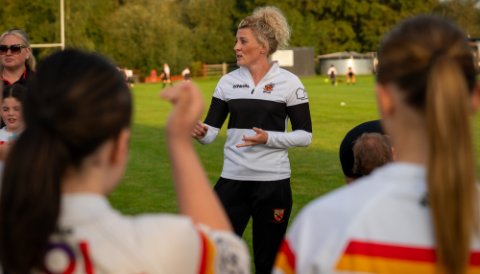
Purposeful Play Coaching Skills
Discover the coaching behaviours that bring purposeful play to life. From learning design to questioning and flexibility, learn how to create engaging environments that support deeper learning and development.
RESOURCE
Developing Play in Your Sessions
See practical ways to introduce fun into your sessions and overcome common barriers. This guide will help you design engaging, participant-centred experiences that drive development and, crucially, enjoyment.
RESOURCE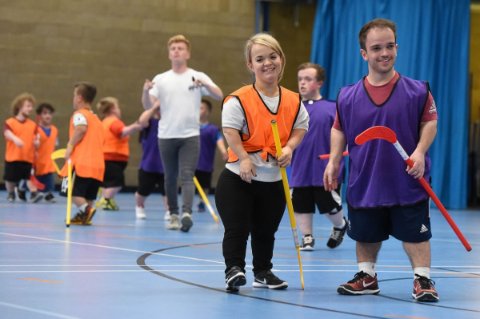
Inclusive Coaching Through Play
Adapted PE lecturer Rebecca Foster brings a caring and inclusive approach to her work. She advises on creating environments where people of all backgrounds feel supported, valued, and able to thrive.
RESOURCEExploring Purposeful Play
Find resources, videos and bite-size learning to help you better understand purposeful play and, importantly, how to use it in your sessions.

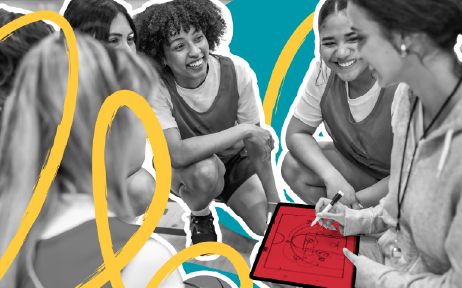
What is Purposeful Play?
Explore what purposeful play really means and how it supports learning and development.
READ MORE
Children's Right to Play
Put children first by protecting their right to play within coaching environments.
LEARN MORE
#PlayItForward
Coaches are sharing the games they love, check out this example. Why not share one of your own?
WATCH HERE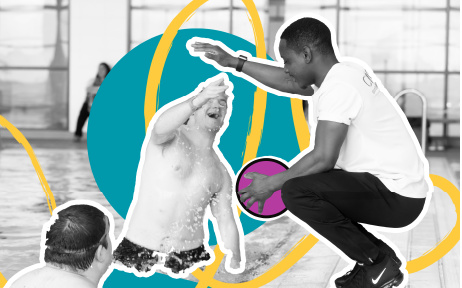
Inclusion in Play
Unlock playful experiences that are inclusive, accessible and open to everyone.
LEARN MORE
Play That Lasts
Turn playful moments into lasting impact by embedding play for the long term.
LEARN MORE